



Crest Pediment Wall Mirror
A crest pediment wall mirror brings architectural weight and brilliant reflection to a room, offering the grandeur of carved wood and gilt frames.
Crest Pediment Wall Mirror
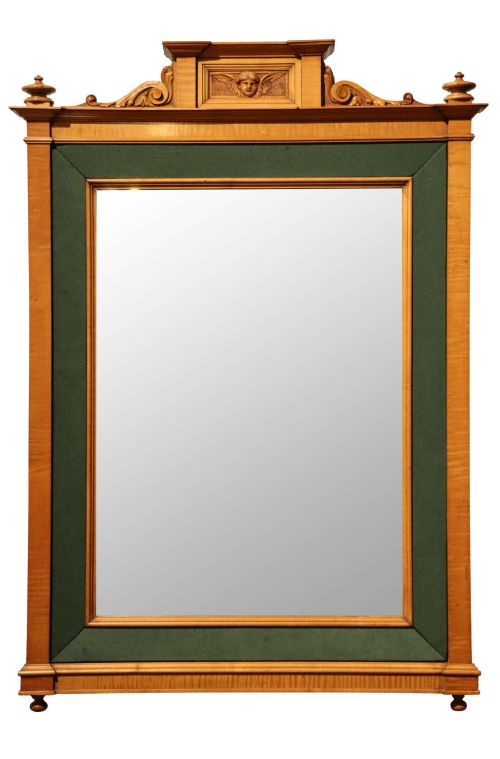
A crest pediment wall mirror is a distinguished hanging glass featuring an architectural or decorative crown atop the main frame. When you search for a crest pediment wall mirror, you encounter pieces spanning from the eighteenth century through the twentieth century, with nineteenth-century examples appearing frequently.
How they were made
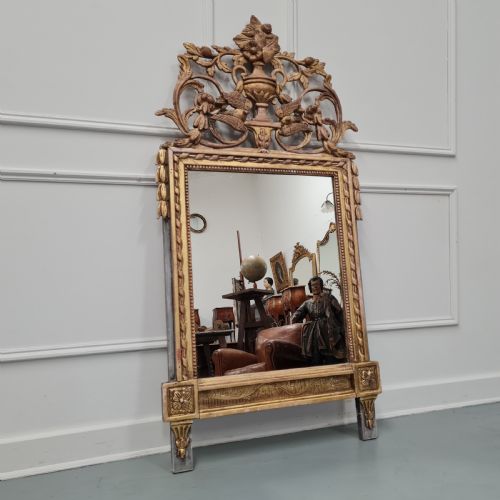
Artisans constructed these frames using timber foundations of mahogany, walnut, or general wood, often applying layers of gesso to build up intricate decorative reliefs. Craftsmen then finished the surfaces with gold leaf, paint, or ebonisation to achieve rich visual depth.
Mirrors feature glass plates secured within the frames, sometimes utilising original mirror glass alongside cut glass pediments. Metal mounts appear on specific continental examples, adding functional and decorative security to the structure.
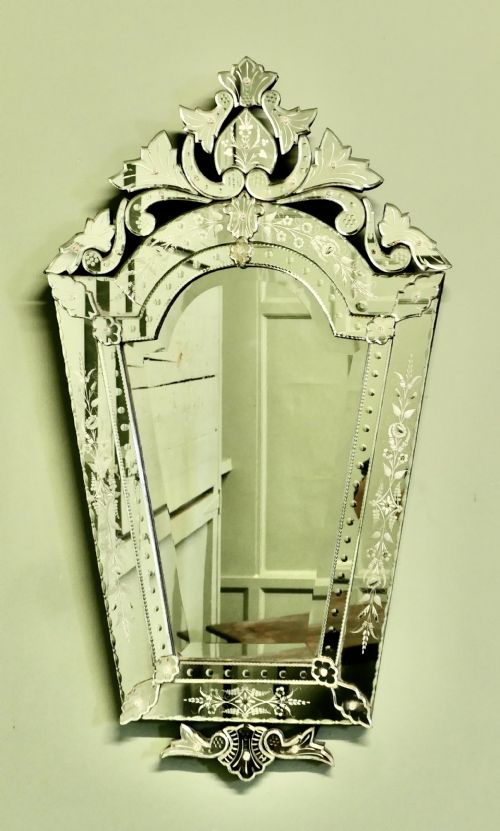
Some nineteenth-century makers could not resist adding cut glass pediments that sparkle brighter than the mirror plate itself.
What varies in quality
Quality in these pieces rests upon the crispness of the carving within the crest pediment and the depth of the gilding. Superior examples display masterly hand-carved detail in woods like walnut and mahogany, whereas simpler versions rely on heavier moulded gesso.
The retention of original mirror glass and the harmony between the upper pediment and the main frame elevate a piece. Finer mirrors demonstrate balanced proportions where the decorative crown integrates seamlessly with the glass plate below.
William Kent
The Crest Pediment Wall Mirror Glossary
- Crest pediment
- The decorative architectural crowning element positioned at the very top of a mirror frame. It often takes the form of carved woodwork, scrolls, or shaped mouldings.
- Giltwood
- Timber that has been coated with a thin layer of gold leaf applied over a prepared gesso ground. This technique gives the frame a luminous metallic sheen.
- Gesso
- A plaster-like mixture applied to a wooden frame as a base for carving and gilding. It allows artisans to shape intricate relief details before finishing.
- Pier mirror
- A tall, narrow mirror traditionally hung on the solid section of wall between windows. These pieces often feature prominent upper crests to draw the eye upward.
- Parcel-gilt
- A decorative treatment where only specific portions of a wooden frame are highlighted with gold leaf, leaving the underlying wood grain visible elsewhere.
Crest Pediment Wall Mirror: Frequently Asked Questions
Where should I hang a crest pediment wall mirror?
These mirrors suit spaces with adequate vertical clearance, such as above a mantelpiece, a console table, or a principal hallway wall. Their decorative crowns draw the eye upward, making them effective focal points in high-ceilinged rooms.
Ensure the wall fixings match the weight of the timber and glass construction. Positioning the mirror opposite a window also helps maximise reflected natural light within the space.
How do I identify a Georgian mirror?
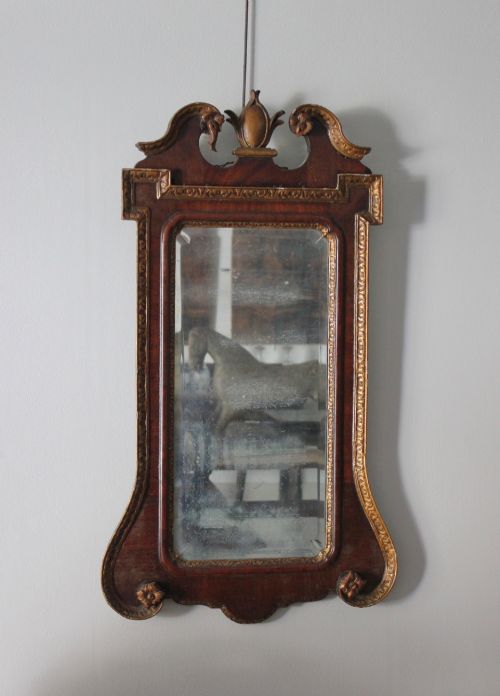
Georgian mirrors typically feature rich timber foundations such as walnut or mahogany, often combined with parcel-gilt details and original glass plates. The carving on the crests tends to show architectural precision and restraint.
Examining the construction methods at the back of the frame helps confirm the period. Hand-cut fixings and aged timber patination provide further clues to their eighteenth-century origins.
Are original mirror plates important?
Original glass plates retain the slight distortions, foxing, and soft reflectivity that come with age. Collectors value them because they confirm the untouched character of the piece.
While replacement glass offers a clearer reflection, original plates contribute to the historic authenticity of antique frames. The presence of period glass often distinguishes higher-quality survivals.
What maintenance do giltwood frames require?
Giltwood and gesso surfaces require gentle dusting with a soft, dry brush to prevent the accumulation of particles in the carved recesses. Avoid using liquid cleaners or chemical polishes, which can strip the delicate gold leaf.
Keeping the mirror away from direct sunlight and damp environments protects both the wooden structure and the metallic finish over time. Stable indoor conditions prevent the gesso from cracking.