


Crest Back Chair
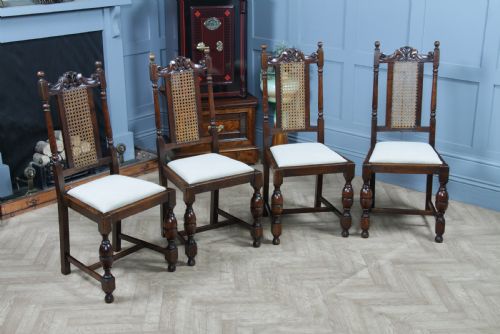
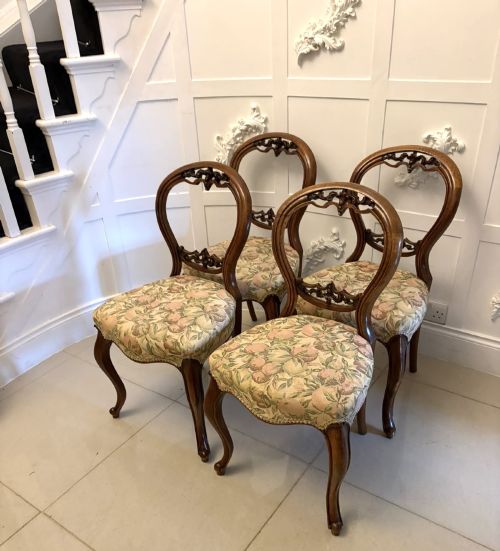
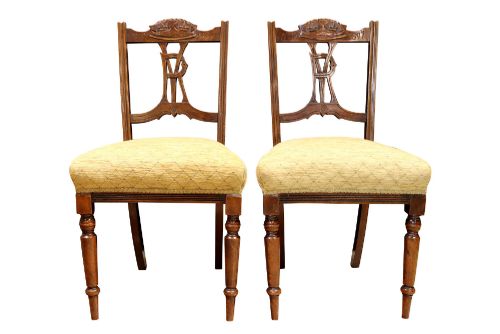
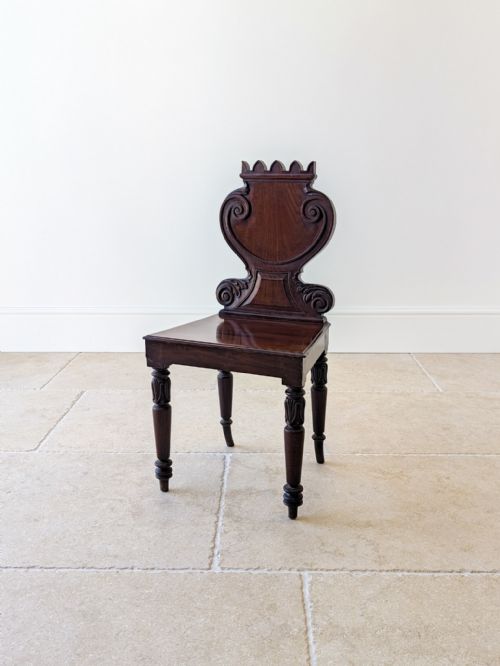
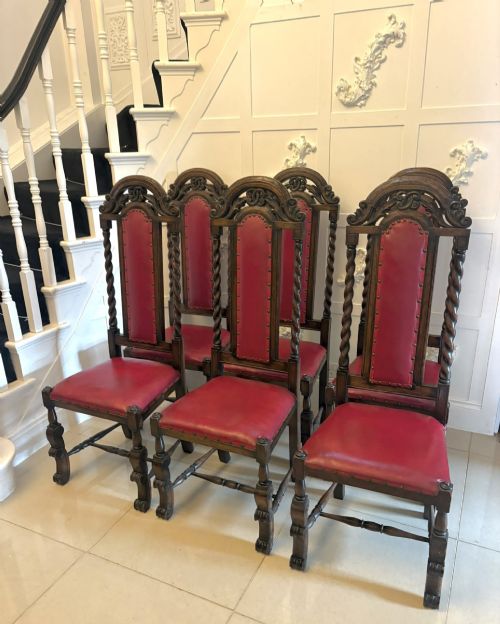
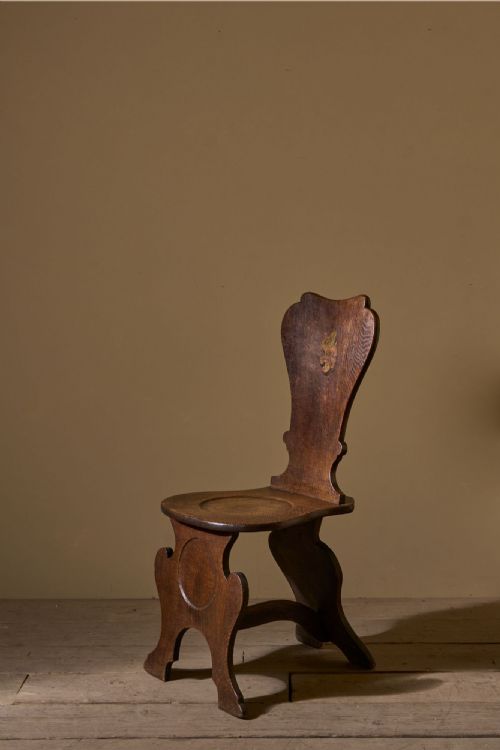
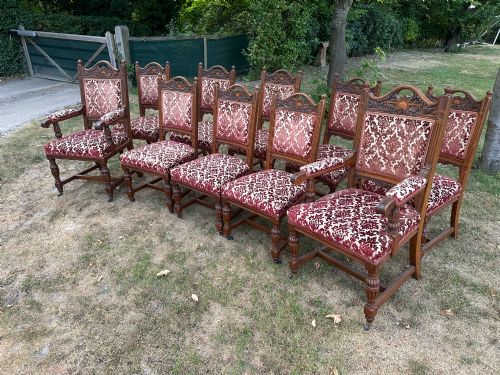
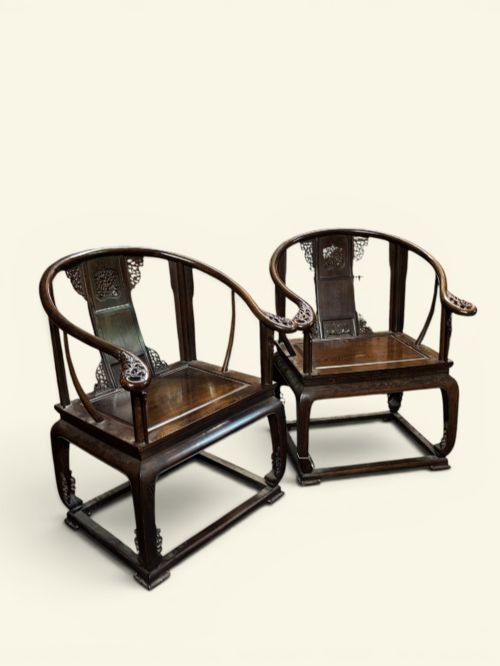
These crest back chair examples bring centuries of timber craft into a room, offering robust construction alongside distinct carved heraldry.
Crest Back Chair
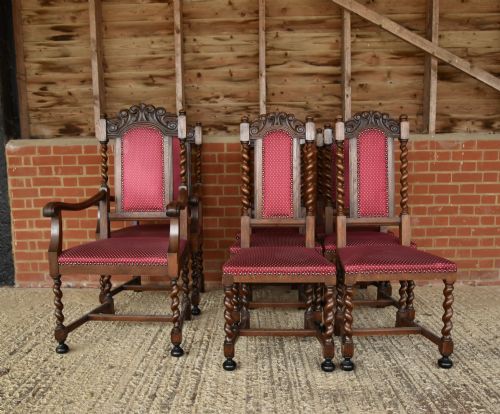
A crest back chair is primarily found in forms such as hall chairs, dining chairs, and armchairs spanning from the seventeenth century through the Edwardian era. Buyers encounter heavy oak wainscot and joined pieces alongside lighter mahogany and walnut iterations from Georgian and Victorian workshops.
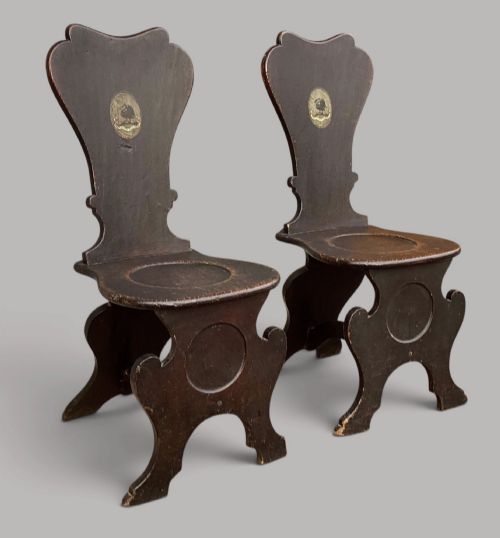
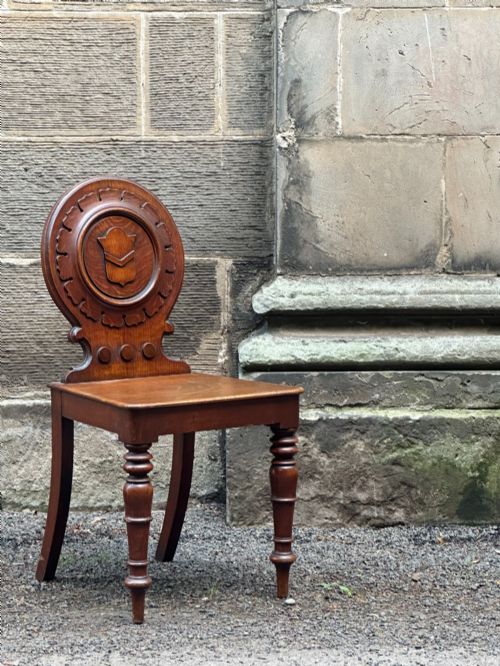
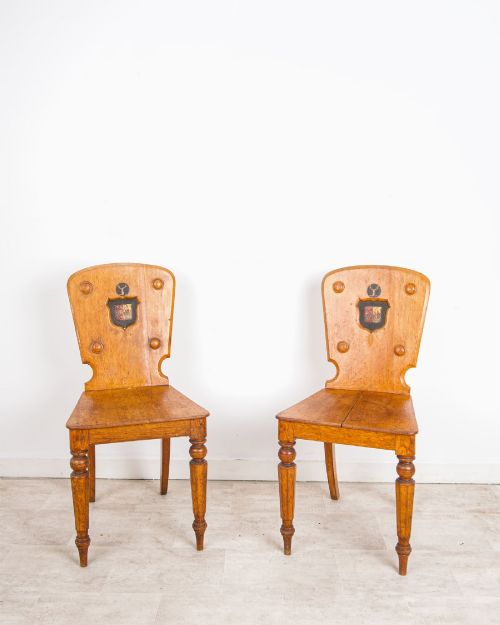
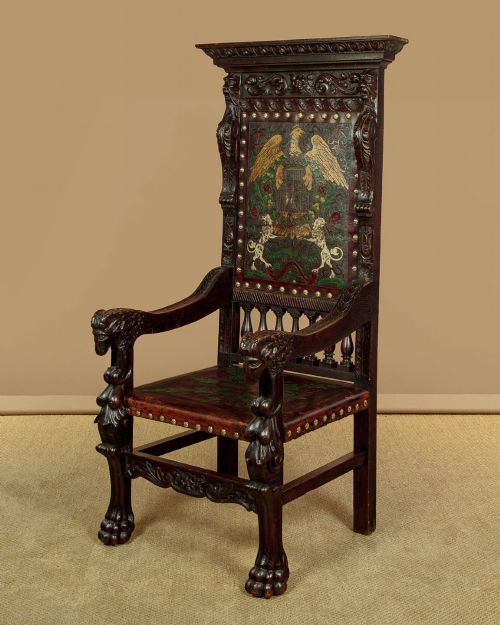
The selection ranges from early seventeenth-century joined oak back stools to nineteenth-century carved library chairs and Regency hall seating. Dining sets and pairs predominate, alongside individual armorial hall chairs bearing painted or carved shields.
Materials and construction
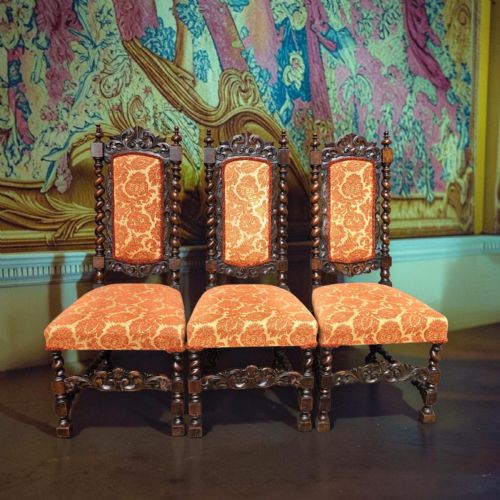
Cabinet makers relied primarily on solid oak, mahogany, and walnut, often shaping panels and uprights with hand tools. Turning techniques yielded barley twist legs and spindles, while joinery relied on traditional mortise and tenon joints.
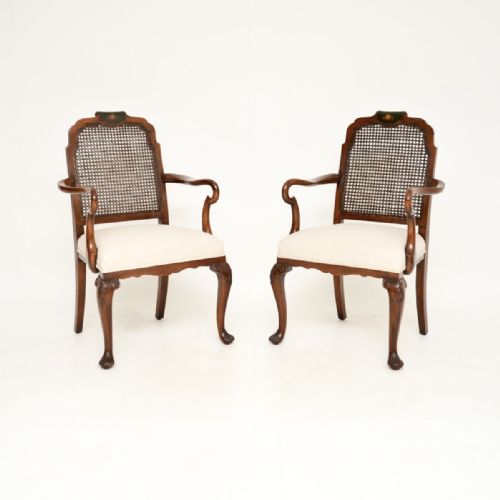
Backs feature carved heraldic shields, pierced splats, or upholstered leather and cane inserts. Surface finishes incorporate clear polishes that highlight the grain alongside painted heraldry and lacquered walnut.
Crest Back Chair Retail Price Guide 2026
Typical asking prices for crest back chair among the pieces listed under this phrase on Sellingantiques today, from the lower quarter to the upper quarter. They describe what is for sale here now, not the wider market.
Object forms include elbow seats, benches, wainscot chairs, and complete dining sets.
Judging quality and execution
Execution depends on the depth and crispness of the carved crest rail, where sharper lines denote a more skilled hand. The integrity of the timber joints and the weight of the primary wood dictate overall structural endurance.
Cohesion within sets separates standard production from superior suites, as matched grain patterns and uniform turning indicate careful workshop selection. Original surface patination and intact heraldic painted details elevate individual examples.
Gillows·Waring and Gillow
The Crest Back Chair Glossary
- Crest rail
- The top horizontal member of a chair back, frequently shaped, carved, or emblazoned with heraldry. It defines the silhouette of the piece.
- Hall chair
- A rigid wooden seat intended for a hallway rather than long sitting, often featuring a painted or carved armorial back. These pieces were symbols of family lineage.
- Wainscot chair
- A heavy wooden armchair from the seventeenth century constructed with panelled backs reminiscent of wall panelling. They represent early domestic seating luxury.
- Barley twist
- A cylindrical wooden component turned in a spiral helix shape. This decorative lathework is common on seventeenth-century and revival dining chairs.
Crest Back Chair: Frequently Asked Questions
Where were they placed originally?
Hall chairs stood in entranceways to display family crests and impress visitors upon arrival.
Dining and library variants furnished private rooms where comfort and social status mattered.
How do I date an oak chair?
Dating relies on joinery methods, timber species, and stylistic markers such as barley twist turnings or linenfold panelling.
Early pieces utilise joined construction without metal fasteners, whereas later revival items often copy these archaic joints.
Can I use them daily?
Solid timber frames in oak or mahogany handle regular use well, provided the joints remain tight.
Cane and leather inserts require gentle care compared to solid wood panels.