



Cream Wool Wall Hanging
A cream wool wall hanging brings substantial texture to a room, offering centuries of textile artistry from English crewelwork to Persian tribal weavings.
Cream Wool Wall Hanging
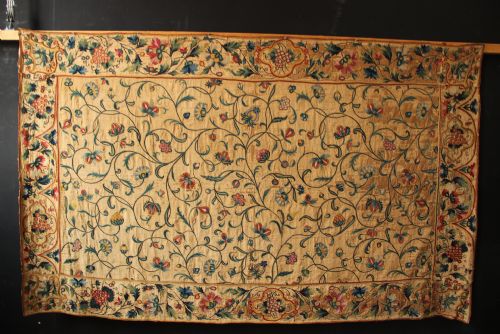
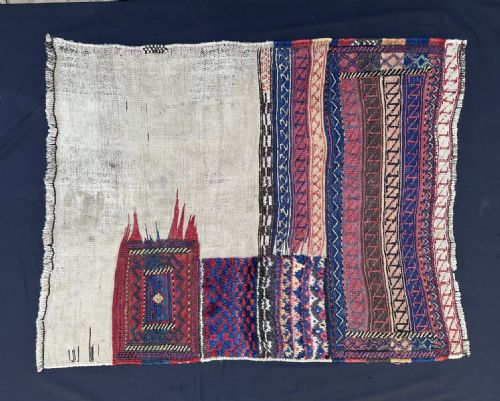
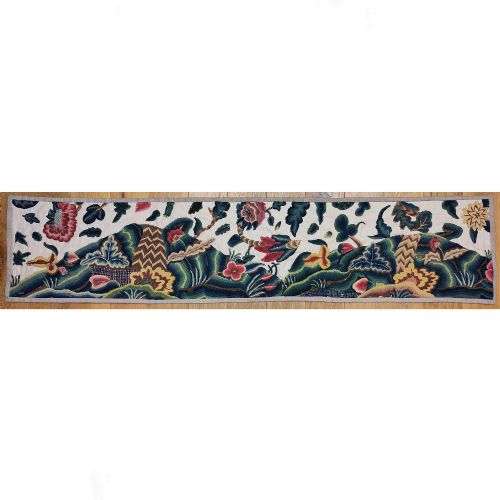
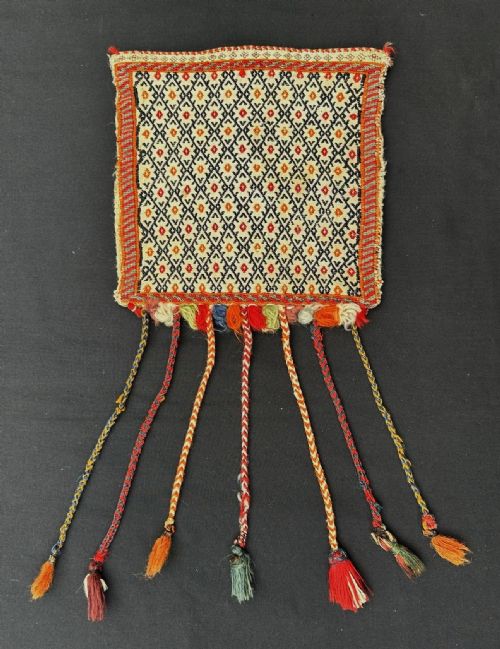
When you search for a cream wool wall hanging, you encounter a diverse range of historic textiles repurposed for display, including English crewelwork panels, Turkmen tent bands, and Persian tribal bag faces. These items originate from periods spanning the seventeenth century through the early twentieth century, reflecting varied domestic and nomadic traditions.
The version you are most likely to meet on this page is a piece of historical textile art, such as a wheat sack or coverlet, mounted securely for wall display. These examples showcase the practical domestic or tribal output of makers who utilised natural fibres for both utility and decoration.
The selection encompasses English needlework alongside Central Asian and Persian tribal weaving, demonstrating how different cultures handled wool, cotton, and linen. Each item carries the distinct structural characteristics of its regional origin, whether executed in fine needlepoint or heavy tribal knotting.
Factors influencing quality
The standard of a piece rests on the fineness of the hand-spun wool and the complexity of the needlework or knotting technique. Early English crewelwork demonstrates exceptional density in stitchery, whereas tribal weavings derive their merit from crisp geometric designs and resilient natural dyes.
Condition and integrity of the textile fabric dictate the upper tier of the selection. Pieces retaining their original scale without extensive structural restoration hold greater fidelity to their historic use.
Listings feature textiles incorporating wool, cotton, silk, linen, goat hair, canvas, and wood across periods from the seventeenth to the twentieth century.
The Cream Wool Wall Hanging Glossary
- Crewelwork
- A type of traditional embroidery executed with wool yarn on a plain-weave fabric foundation, commonly seen in seventeenth- and early twentieth-century English panels.
- Sofreh
- A flatwoven spread or cloth used in Persian domestic life for culinary or storage purposes, often featuring utilitarian tribal designs.
- Tacheh
- A traditional wheat sack or storage bag produced by nomadic tribes such as the Lori-Bakhtiari, prized for its decorative face.
- Tent band
- A long, narrow woven strip utilised by Central Asian nomads to secure yurt structures, combining structural strength with intricate patterned bands.
- Needlepoint
- A form of counted thread embroidery stitched over a stiff open-weave canvas, creating a dense and durable pictorial surface.
Cream Wool Wall Hanging: Frequently Asked Questions
How do I hang a textile securely?
Mounting historic textiles safely requires distributing the weight evenly across the entire upper edge. Technicians often utilise a fabric sleeve stitched to the reverse, through which a flat wooden baton is inserted and fixed to the wall.
This prevents the tension from pulling on individual threads or damaging the original wool and linen ground fabric.
What periods do these textiles represent?
The pieces span from the seventeenth century through to the early twentieth century. English crewelwork examples represent the earlier centuries, whilst tribal rugs and tent bands originate predominantly from the nineteenth and early twentieth centuries.
Each era brings distinct dyeing methods and structural conventions particular to its geographic origin.
Are these items authentic antiques?
The inventory comprises genuine historical textiles sourced from various periods, ranging from seventeenth-century English crewelwork to nineteenth-century tribal weavings. Each piece bears the structural wear and material characteristics consistent with its stated age.
Examining the reverse side reveals the hand-spun nature of the wool and the ageing of the foundational canvas or linen.