



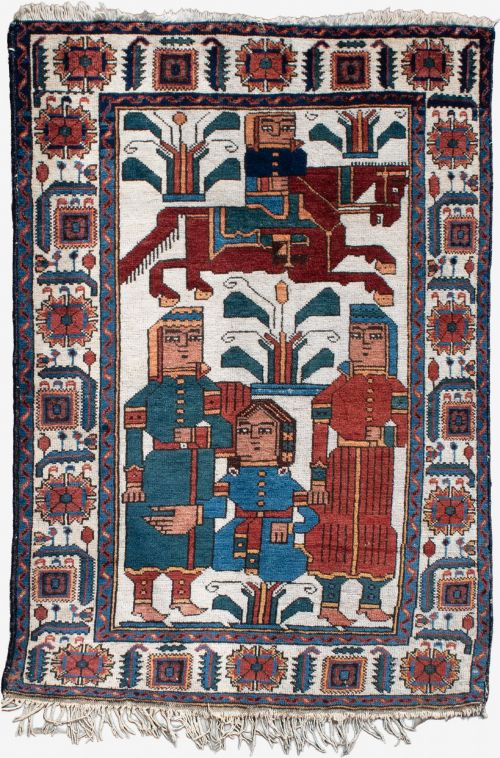
Cream Wool Oriental Carpet
A cream wool oriental carpet brings depth and texture to a room through traditional Persian, Chinese and Turkmen weaving traditions.
Cream Wool Oriental Carpet
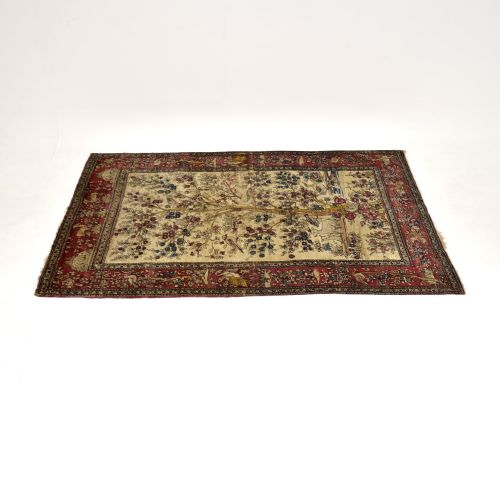
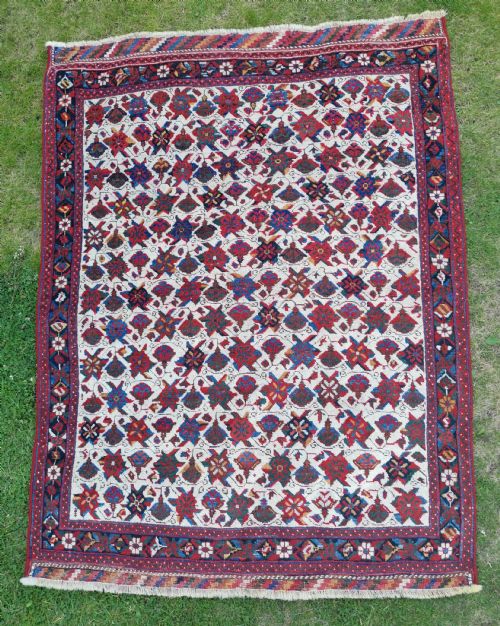
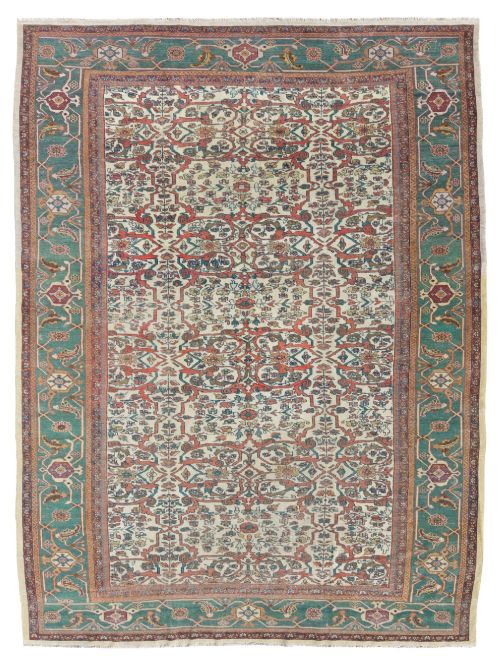
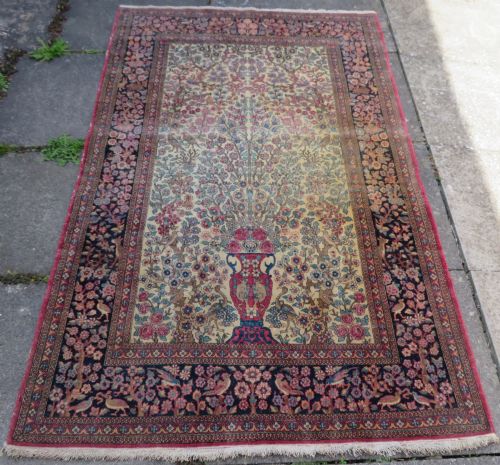
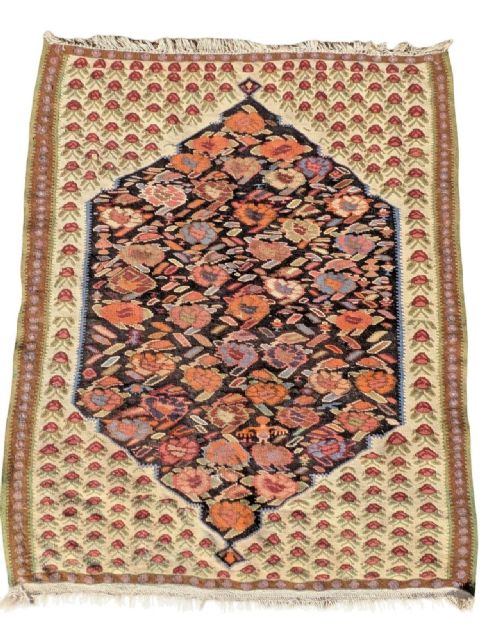
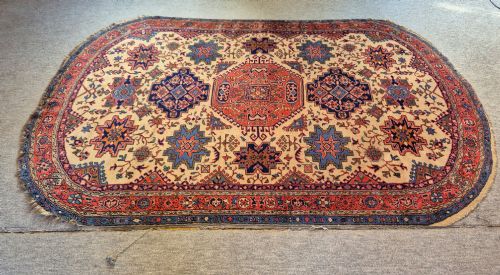
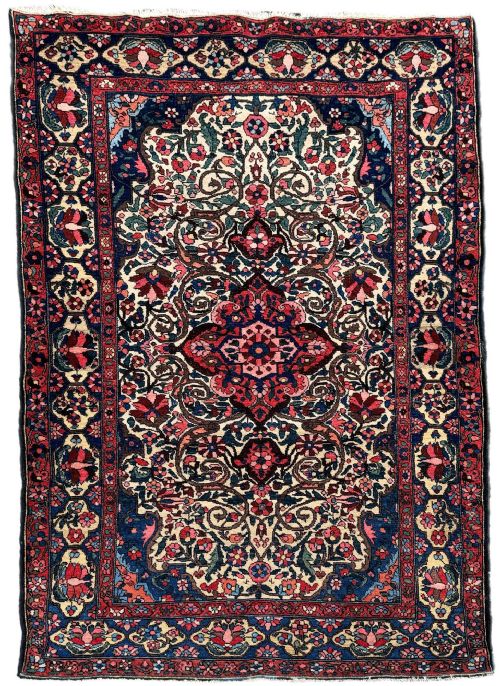
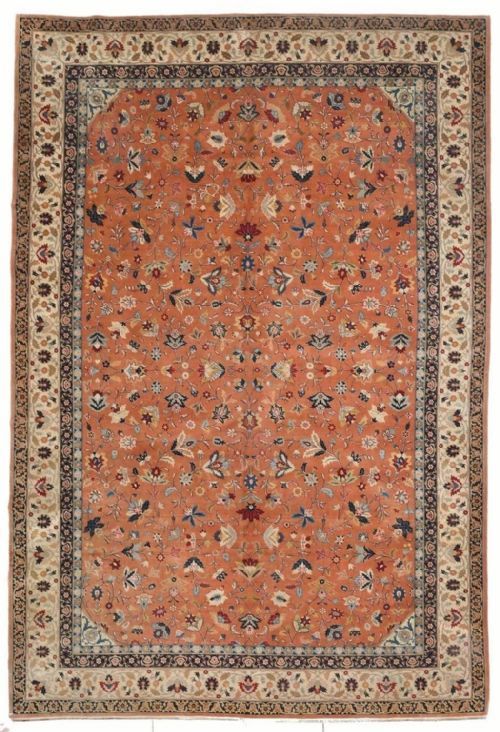
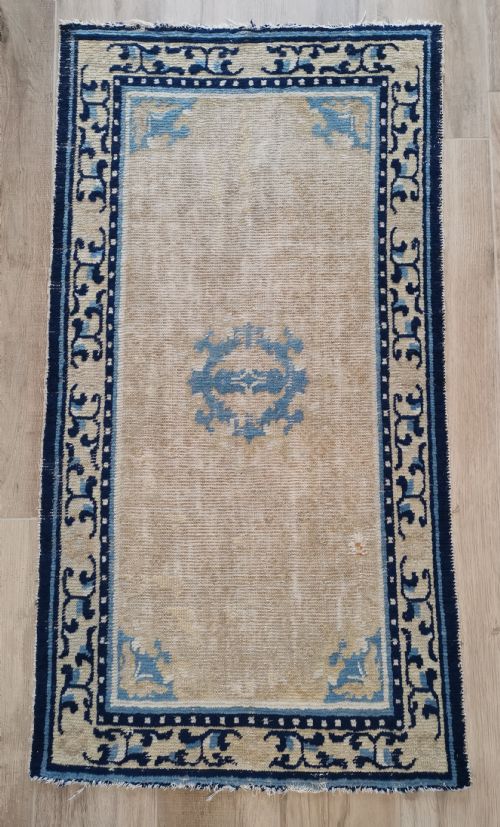
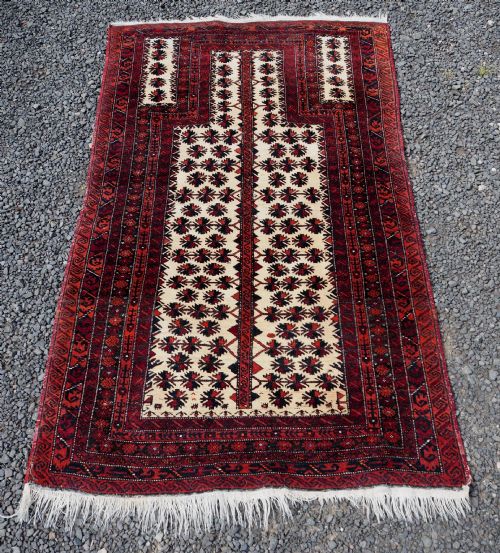
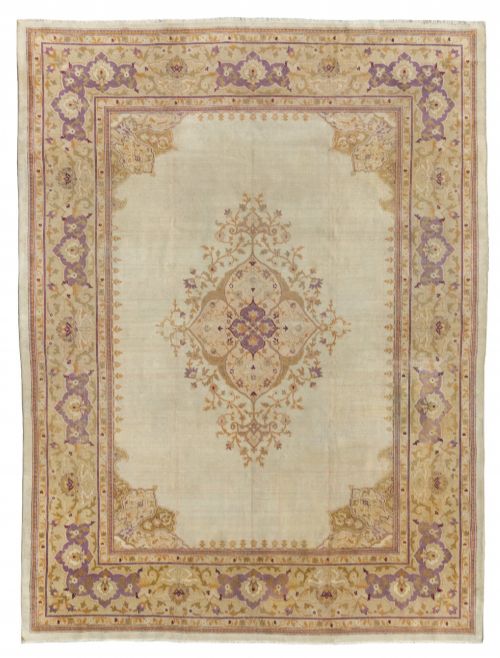
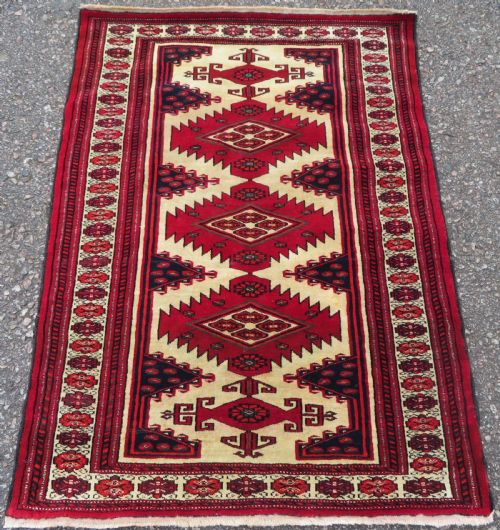
A cream wool oriental carpet brings together regional rug and carpet weaving traditions from across Persia, China and Central Asia. These floor coverings span dates from the mid-nineteenth century up to the early twentieth century, including pieces originating from Isfahan, Kerman, Qum, Ningxia and Turkmen workshops.
The format ranges from smaller scatter rugs measuring around one metre to large room-size carpets exceeding six metres in length. On this page, you are most likely to encounter Persian city and tribal examples alongside Chinese Qing Dynasty pieces.
Makers and workshops across these regions utilised wool as the primary pile material, often combined with cotton or silk foundations. Each piece reflects the specific decorative vocabulary of its origin, whether that is central Persian floral compositions or Turkmen tribal geometries.
How they were made
Weavers constructed these carpets using hand-knotted wool pile secured onto foundations of cotton or silk. The density of the knotting and the quality of the wool determine the handle and flexibility of the rug.
Dyers employed natural colourants to achieve the pale cream, ivory and contrasting tones seen across the field and borders. The spinning of the yarn and the preparation of the foundation threads were carried out entirely by hand before loom assembly.
Cream Wool Oriental Carpet Retail Price Guide 2026
Typical asking prices for cream wool oriental carpet among the pieces listed under this phrase on Sellingantiques today, from the lower quarter to the upper quarter. They describe what is for sale here now, not the wider market.
Materials documented across these pieces include wool, cotton and silk.
What varies in quality
Quality rests in the precision of the knotting and the refinement of the drawing across the field and borders. Finer city carpets from Isfahan or Kerman display intricate floral curves executed with high knot density, whereas tribal Turkmen or nineteenth-century Ningxia pieces rely on bolder, more archaic structural layouts.
The choice of material foundation also distinguishes the tier of a carpet, with silk foundations supporting exceptionally fine city work while sturdy cotton underpins heavier room-size pieces. The handling of the wool pile itself, from dense and lustrous to dry and low-pile, dictates how the surface responds to light and wear over generations.
Ahmadi Isfahan
The Cream Wool Oriental Carpet Glossary
- Pile
- The upright yarn loops that form the soft surface of a carpet. It is sheared to an even height after knotting.
- Foundation
- The underlying grid of warp and weft threads that supports the knotted pile. Cotton and silk are common foundation materials.
- Warp
- The vertical threads stretched tightly on the loom before weaving begins. The fringe is typically a continuation of these threads.
- Weft
- The horizontal threads passed across the warp strands after each row of knots. They bind the structure firmly together.
- Border
- The decorative band or bands framing the central field of a carpet. Multiple guard borders often flank a wider main border.
Cream Wool Oriental Carpet: Frequently Asked Questions
How do I care for a wool carpet?
Vacuum gently without a rotating brush to protect the delicate pile and fringe.
Keep the carpet out of direct sunlight to prevent fading of the natural dyes.
Where were these carpets made?
These pieces originate from weaving centres across Persia, including Isfahan, Kerman and Qum.
Other examples come from Turkmen tribal regions and nineteenth-century Chinese Qing Dynasty workshops in Ningxia.
What materials make up the pile?
The pile is almost exclusively spun wool, chosen for its durability and soft texture underfoot.
Some finer city carpets incorporate silk elements to highlight specific design motifs.
How do I distinguish regional styles?
Persian city carpets tend to feature elaborate floral medallions and curvilinear vines.
Tribal pieces like those from Turkmen groups rely on repeating geometric guls and starker primary colour palettes.