
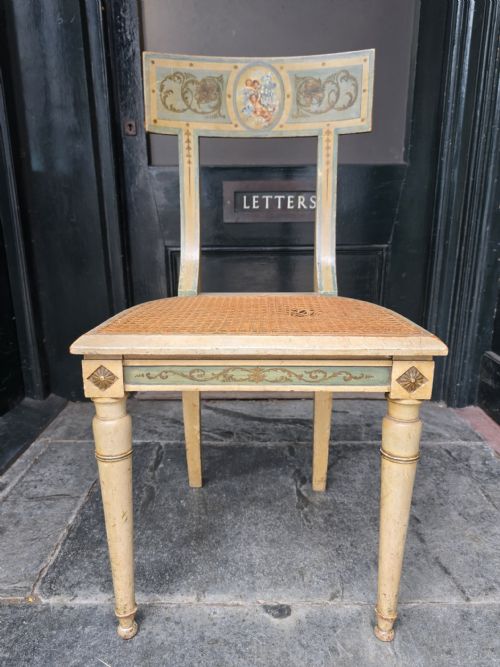


Cream Wood Hall Chairs
Cream wood hall chairs are robust timber seating designed for the entranceway, bringing period character and practical function to a home.
Cream Wood Hall Chairs
Cream wood hall chairs encompass timber seating designed for entrances and passages, emerging primarily across the eighteenth and nineteenth centuries. The examples on this page span several eras, including the Victorian period and the Edwardian years.
While the search specifies cream wood, the actual inventory shows painted surfaces alongside natural woods like oak, mahogany, rosewood, and walnut. These seating options range from simple side chairs to carved high back designs and occasional seating suitable for domestic hallways.
How they were made
Construction relies on traditional timber framing, utilising hardwoods such as oak, mahogany, walnut, and rosewood for structural durability. Makers employed robust joinery techniques to withstand the heavy use associated with entranceways and hallways.
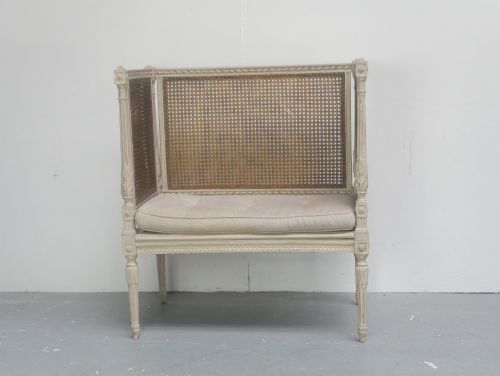
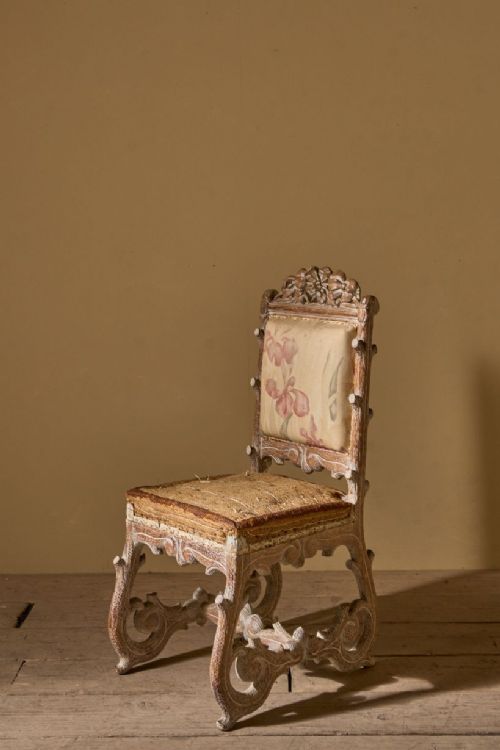
Upholstered variants incorporate textiles, fabric, and cane work supported by timber frames. These materials combine to create both rigid wooden seats for formal hall use and padded versions intended for comfort.
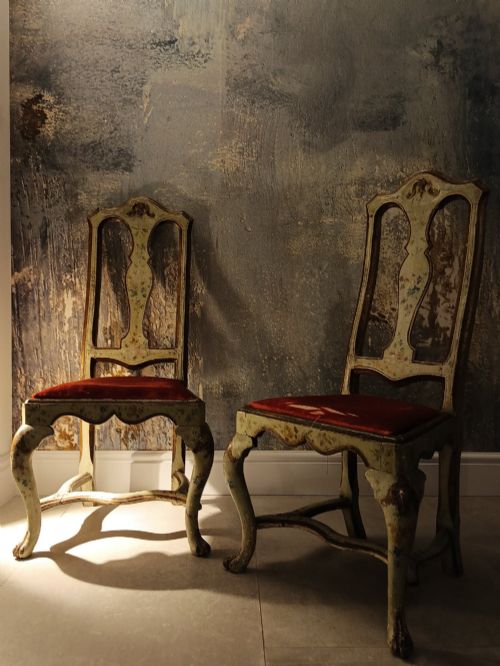
One chair masquerades as timber through faux bois paint, proving that even wood sometimes needs a little help to look the part.
What varies in quality
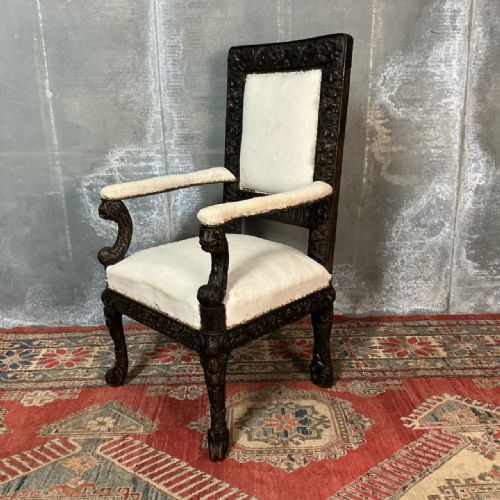
The degree of hand carving sets individual pieces apart, ranging from simple turned supports to intricate Baroque and Jacobean Revival scrollwork. Deeper, crisper relief carving on the crest rails and splats indicates a higher standard of craftsmanship.
Selection of timber grade and the integrity of the joinery determine the longevity of each chair. Higher quality examples utilise dense hardwoods like rosewood or well-seasoned oak and mahogany, ensuring structural stability across centuries.
The sophistication of the painted finish or surface patination influences the overall visual merit. Original paint surfaces and carefully executed faux bois treatments demand closer attention than later overpainting.
The Cream Wood Hall Chairs Glossary
- Hall chair
- A rigid wooden seat traditionally placed in an entrance hall, often featuring a solid timber seat and a carved back bearing a crest or shield.
- Faux bois
- An artistic imitation of wood grain painted onto a surface, seen on nineteenth century seating to simulate a different timber.
- Baroque Revival
- A nineteenth century decorative style drawing on seventeenth century Baroque excess, characterised by exuberant carving and dramatic curves.
- Carolean
- A seventeenth century English design style spanning the reign of Charles II, known for rich carving and turned woodwork.
- Cane
- Woven rattan or plant material used for seats and panel backs, providing a lightweight yet sturdy surface.
Cream Wood Hall Chairs: Frequently Asked Questions
Where should I place a hall chair?
These chairs fit well in entranceways, hallways, or narrow landings where floor space is limited. Their upright posture makes them suitable for occasional seating rather than prolonged lounging.
They also function effectively as decorative accent pieces in bedrooms or studies when not in active use.
How do I clean painted wood?
Dust the surface regularly with a soft, dry cloth to prevent dirt accumulation. Avoid harsh chemical cleaners that can strip or damage historical painted finishes.
For stubborn marks, use a slightly damp cloth with mild soap, drying the timber immediately afterwards.
Are these chairs comfortable for daily sitting?
Most traditional hall chairs feature rigid wooden seats designed for short periods of waiting rather than long hours of relaxation. Upholstered or padded variants offer a softer sit for domestic use.
Consider adding a loose cushion if you intend to use a wooden seated version for extended periods.
How do I identify the period of a chair?
Examine the timber species, joinery methods, and stylistic motifs present in the carving. Victorian and Edwardian pieces often display machine assistance alongside hand work, while earlier eighteenth century examples rely entirely on hand tools.
Reference the listed styles and materials to cross-reference construction traits with known historical eras.