





Cream Tribal Textile
Cream tribal textile pieces bring rich nomadic heritage into modern interiors through authentic hand-spun wool, silk and natural dyes.
Cream Tribal Textile
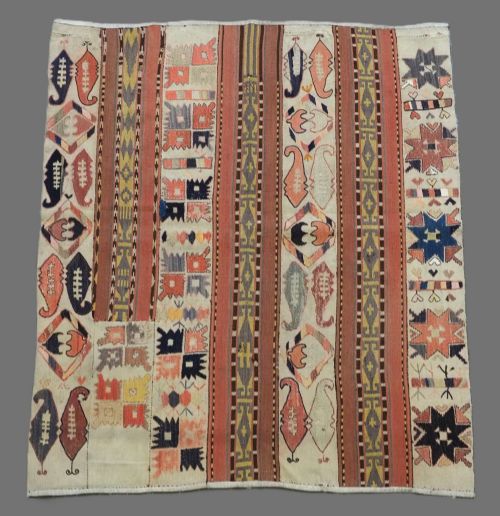
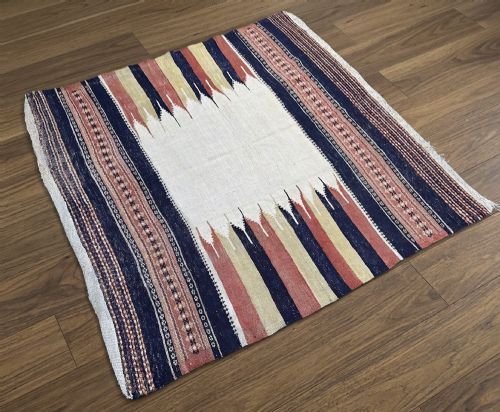
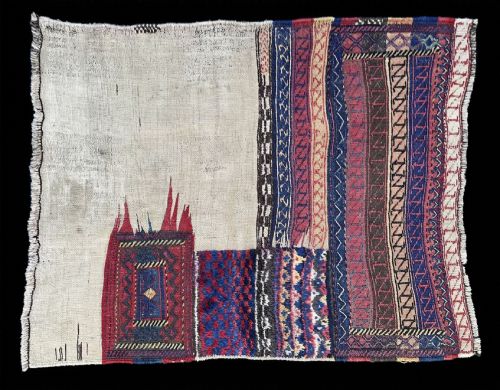
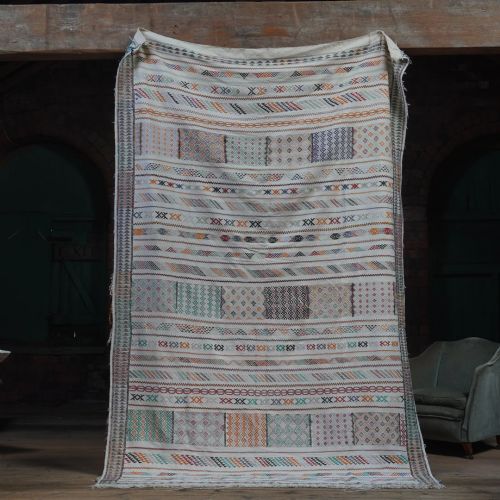
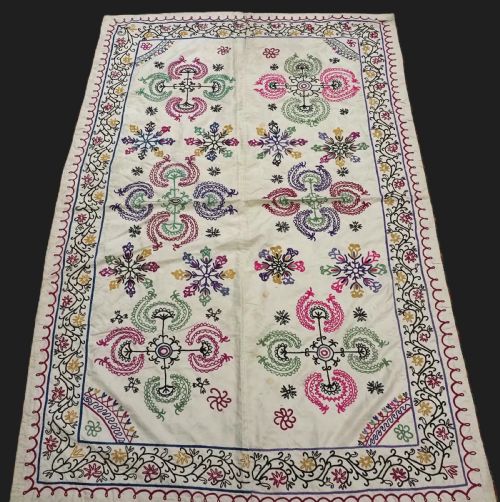
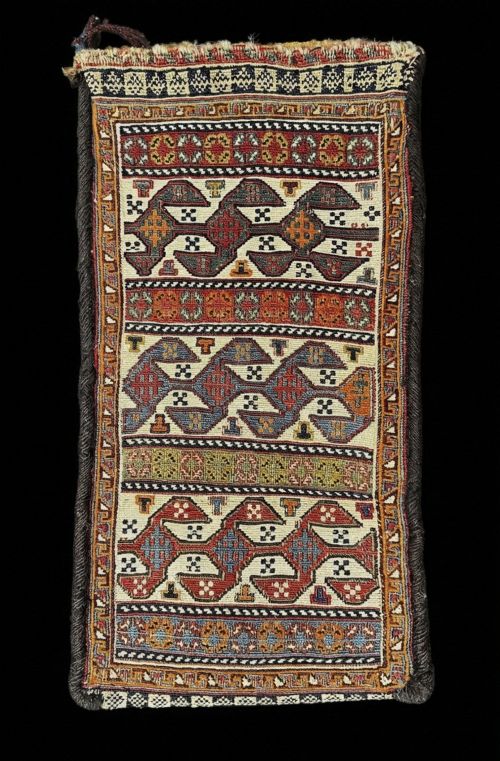
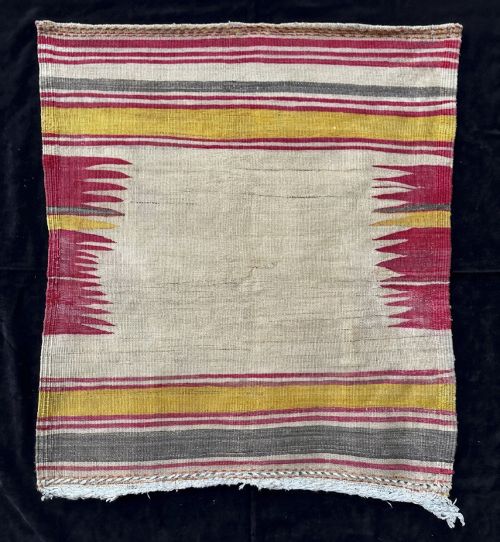
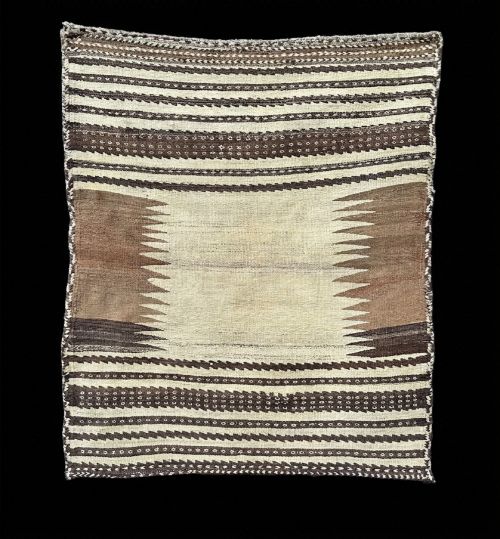
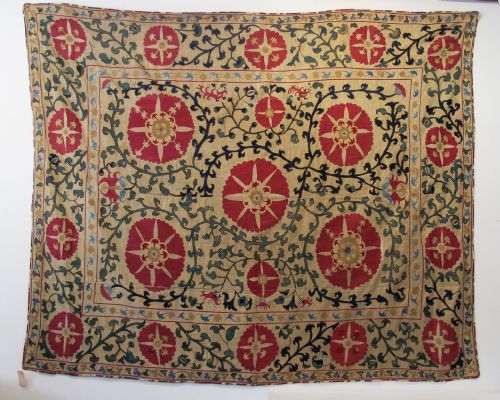
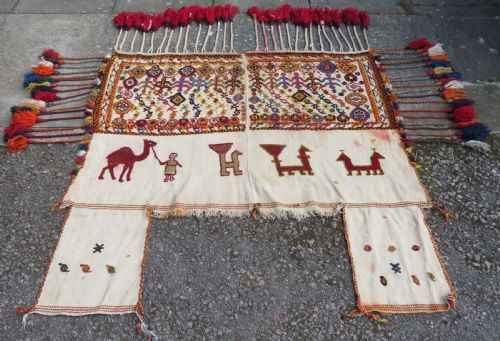
A cream tribal textile encompasses a diverse range of nomadic and village objects originating from Persia, Central Asia, and Morocco. Buyers searching for this phrase encounter flatweave rugs, bread-sofrehs, wheat-sacks, horse blanket covers, tent bands, and embroidered suzanis.
The selections span from the mid-nineteenth century through the early twentieth century, reflecting traditional tribal patterns and folk art designs. Most examples found here display cream backgrounds woven from hand-spun wool, cotton, or sabra cactus silk.
Specific tribal groups such as the Qashqa'i, Lori-Bakhtiari, Teke, and Uzbek are strongly represented among these nomadic and village artefacts. Each piece serves as a functional item repurposed into decorative wall hangings or floor coverings.
How they were made
Makers utilised natural dyes and organic materials including wool, cotton, silk, goat hair, and cactus fibre to construct these textiles. Artisans spun fibres by hand before applying traditional weaving techniques such as kilim flatweaving or dense silk embroidery.
Nomadic weavers created functional household items like bread-sofrehs, wheat-sacks, and tent bands designed for daily survival and camp utility. Complex needlework on suzanis and geometric flatweaves demonstrate intricate regional patterns passed down through generations.
Cream Tribal Textile Retail Price Guide 2026
Typical asking prices for cream tribal textile among the pieces listed under this phrase on Sellingantiques today, from the lower quarter to the upper quarter. They describe what is for sale here now, not the wider market.
Several textiles served as wheat sacks before finding new life as decorative interior furnishings.
What varies in quality
The integrity of the hand-spun wool, silk, and natural dye determines the foundational quality of a textile. Tighter weaves and finer embroidery stitches indicate superior craftsmanship executed by skilled nomadic artisans.
The complexity of traditional designs and the preservation of original materials set exceptional pieces apart from standard examples. Historical provenance linked to specific tribes like the Qashqa'i or Teke further elevates the standing of an artefact.
The Cream Tribal Textile Glossary
- Sofreh
- A woven spread or cloth used for meals, bread-making, or ritual purposes in Persian households.
- Suzani
- A type of embroidered and decorative tribal textile made in Tajikistan, Uzbekistan, and other Central Asian nations.
- Kilim
- A flatwoven carpet or rug produced in countries of the former Persian Empire and Central Asia.
- Ak Chuval
- A large storage bag created by Turkmen tribes, notably the Teke, featuring characteristic guls.
Cream Tribal Textile: Frequently Asked Questions
How do I hang a tribal textile?
Mounting a textile safely involves using a non-damaging sleeve or velcro system attached to a padded backing board. This distributes the weight evenly across the wool or silk fabric without puncturing the fibres.
Avoid direct sunlight and high humidity areas to protect the natural dyes and delicate threads from fading or degradation over time.
What is a bread-sofreh used for?
A bread-sofreh served as a utilitarian cloth for kneading dough, resting bread, and wrapping food within nomadic Persian households. These square or rectangular textiles were essential items in daily camp life.
Today, collectors appreciate their minimalist geometric designs and textured surfaces as wall art or small floor coverings.
How can I tell regions apart?
Regional styles appear through distinct motifs, colour palettes, and structural techniques employed by specific tribes. Persian pieces often incorporate earth tones and geometric field patterns, while Central Asian suzanis display vibrant silk floral embroideries.
Examining the underlying materials, such as cotton warps or goat hair selvages, provides further clues to geographic origin.