



Uzbekistan Embroidered Rug
An uzbekistan embroidered rug brings vibrant Central Asian textile art into a room as a striking wall hanging or textile panel.
Uzbekistan Embroidered Rug
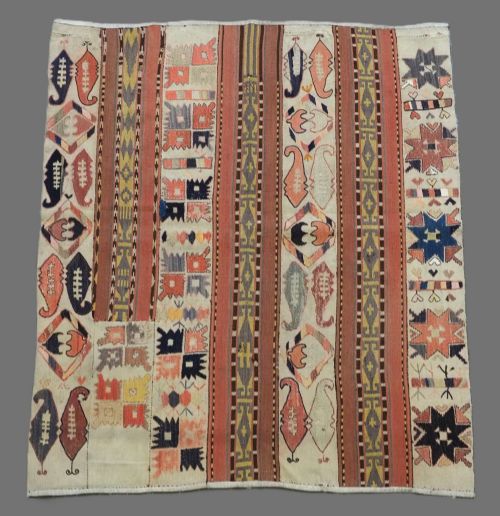
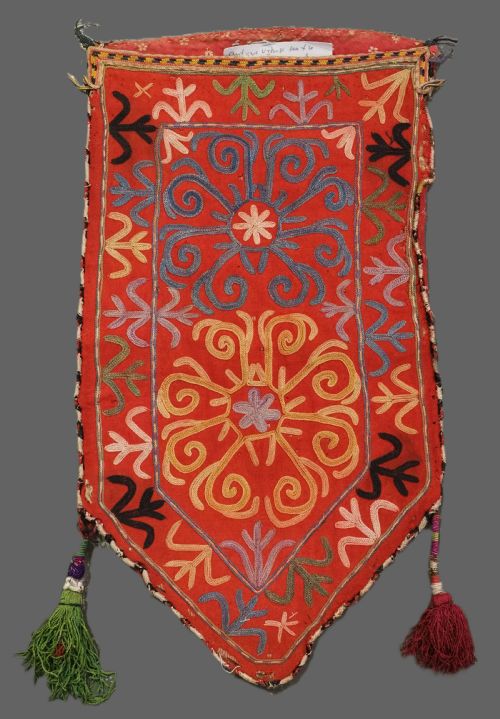
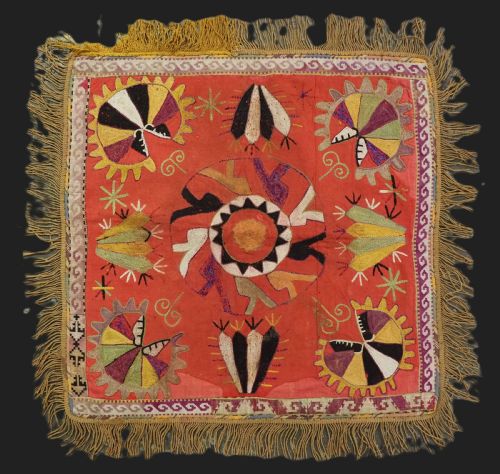
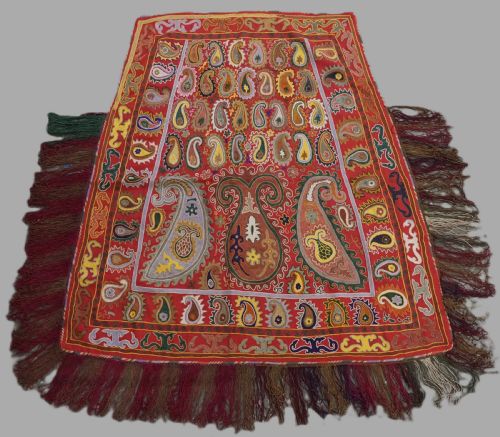
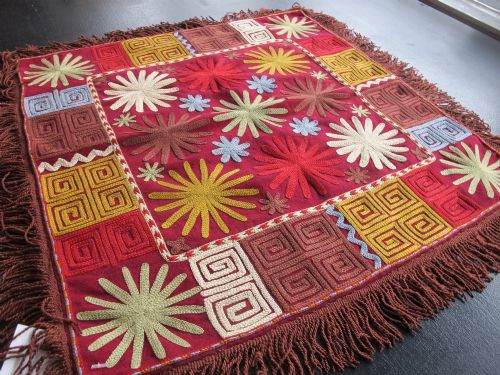
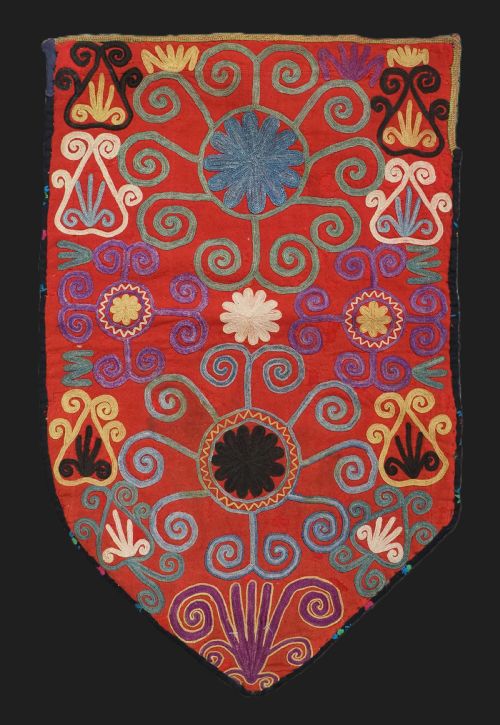
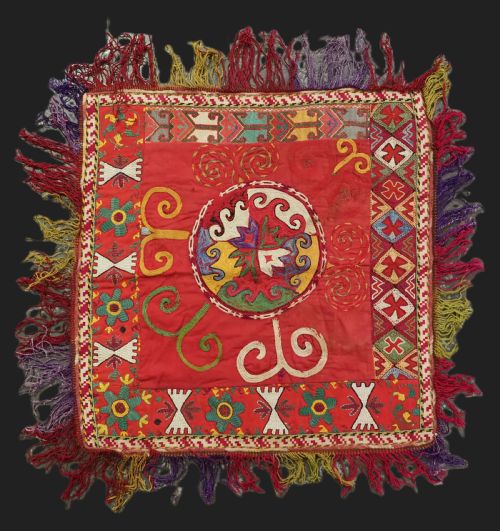
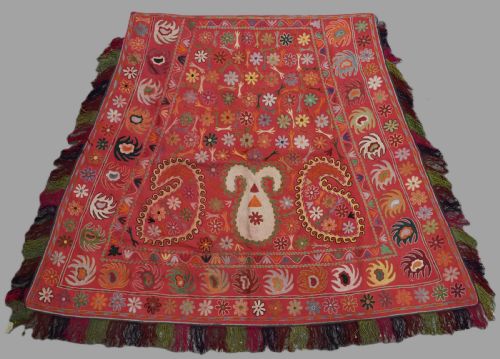
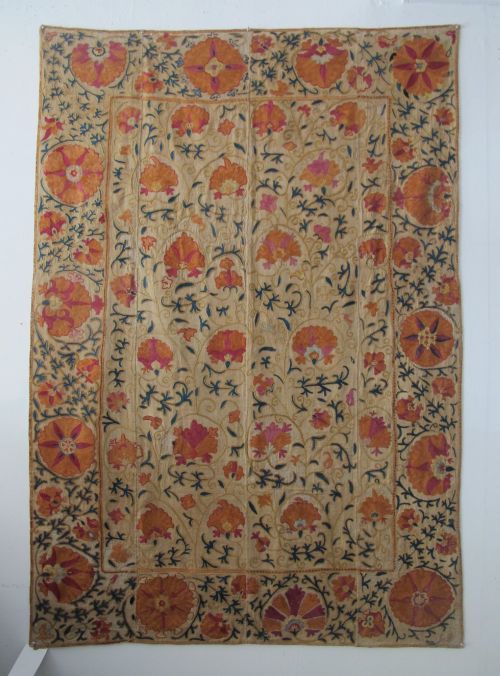
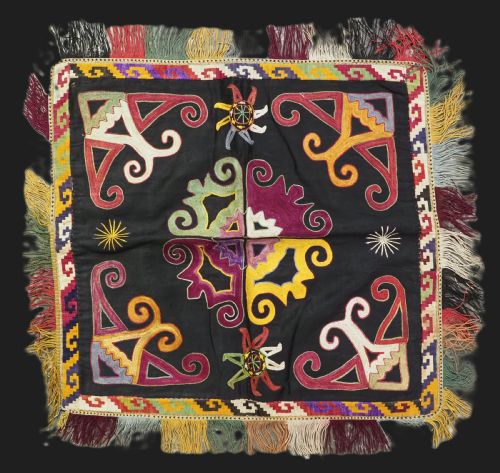
An uzbekistan embroidered rug encompasses diverse forms ranging from dowry embroideries and wall hangings to ceremonial horse covers and kilims. These pieces originate from Central Asian tribal traditions, particularly associated with Uzbek makers and the Lakai tribe.
The selection includes pieces created across several decades, spanning the mid nineteenth century through to the early twentieth century. Common formats include suzanis, smaller ilgich panels, and saddle covers designed for practical or ceremonial use.
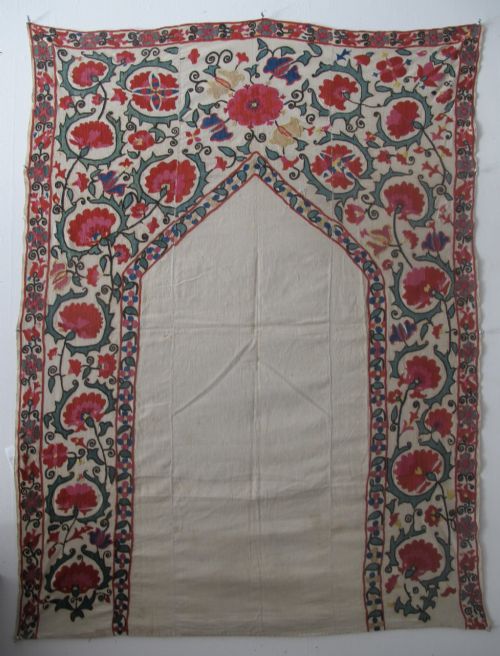
Makers utilised various formats such as full suzanis, smaller nim suzanis, and prayer designs. Originating from specific regions like Bokhara, Shakrisabz, Tashkent, and Uratube, these textiles represent rich cultural histories.
How they were made
Artisans constructed these textiles using foundational grounds of cotton, wool, or camel hair. Silk thread provided the primary medium for dense, intricate embroidery work applied across the surface.
Needlework techniques varied from specific tribal stitches used by Lakai makers to comprehensive full-work embroidery seen in regional suzanis from centres like Tashkent and Shakrisabz.
Uzbekistan Embroidered Rug Retail Price Guide 2026
Typical asking prices for uzbekistan embroidered rug among the pieces listed under this phrase on Sellingantiques today, from the lower quarter to the upper quarter. They describe what is for sale here now, not the wider market.
Several textiles served a life on horseback before becoming wall art, having spent their early days as ceremonial equine dress.
What varies in quality
Quality rests upon the density of the needlework, the complexity of the repeat or architectural design, and the clarity of the colour palette on grounds such as yellow cotton. Pieces described as full work display a greater saturation of silk embroidery.
The fineness of the execution distinguishes standard tribal pieces from exceptional examples originating from renowned workshops in Shakrisabz or Bokhara.
The Uzbekistan Embroidered Rug Glossary
- Suzani
- An embroidered tribal textile originating from Central Asia, traditionally made as part of a bride's dowry. These pieces typically feature bold floral or geometric motifs stitched in silk onto cotton grounds.
- Ilgich
- A specific type of hanging embroidery used as a dowry piece or wall decoration in Central Asian homes. They often display distinctive tribal motifs associated with groups such as the Lakai.
- Nim Suzani
- A half-size or smaller version of the standard suzani textile panel. These compact pieces were utilised for various domestic and ceremonial purposes.
- Uut Kap Ilgich
- A specialised storage bag face or hanging panel produced by Lakai Uzbek tribes. They are characterised by double-faced construction and dense embroidery.
Uzbekistan Embroidered Rug: Frequently Asked Questions
What is an uzbekistan embroidered rug used for?
These textiles were traditionally created as dowry items, ceremonial horse covers, or domestic wall hangings. Today, collectors primarily display them as wall art or decorative textile panels.
Smaller formats like saddle covers and torbas function well in concentrated display spaces, while full-sized suzanis anchor larger wall areas.
How do I care for an antique suzani?
Keep textile panels away from direct sunlight to protect silk threads and cotton grounds from fading. Professional conservation cleaning is recommended when dust accumulates.
Mounting wall hangings correctly prevents undue tension on the vintage fabric and ancient stitching.
How are different regional styles told apart?
Regional attribution relies on characteristic design layouts, colour combinations, and embroidery density. For instance, pieces from Shakrisabz often feature distinct Lakai tribal motifs.
Tashkent and Bokhara items frequently showcase architectural elements or specific full-work patterns executed in silk.
What materials make up these antique textiles?
The structural foundation typically consists of hand-woven cotton, wool, or camel hair. Silk thread provides the vibrantly coloured embroidery stitched across the surface.
Ground fabrics often appear in natural or yellow-dyed cotton depending on the regional origin and period.