

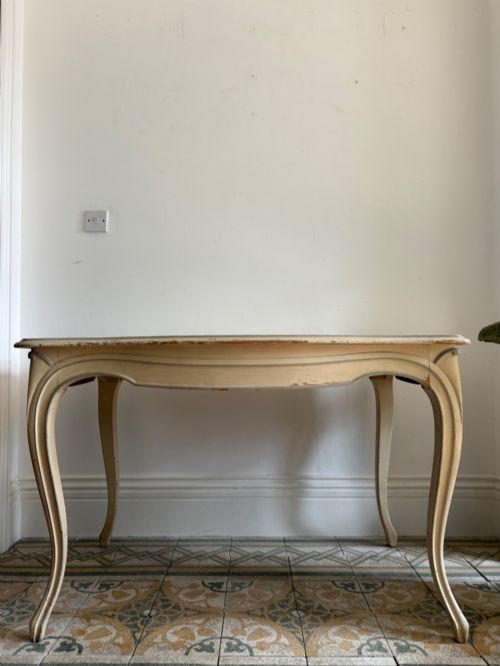
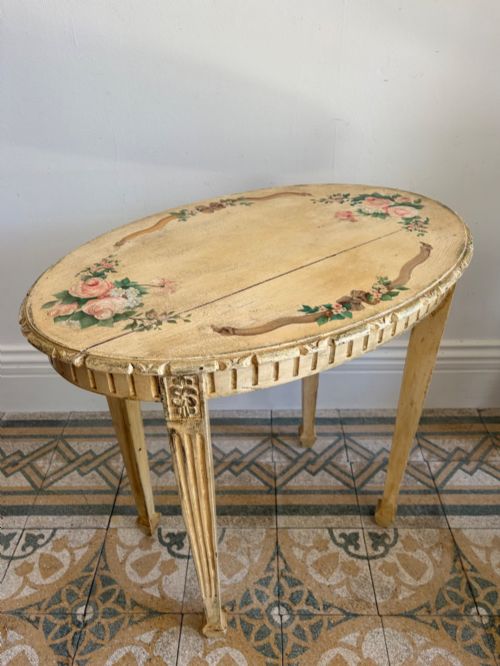
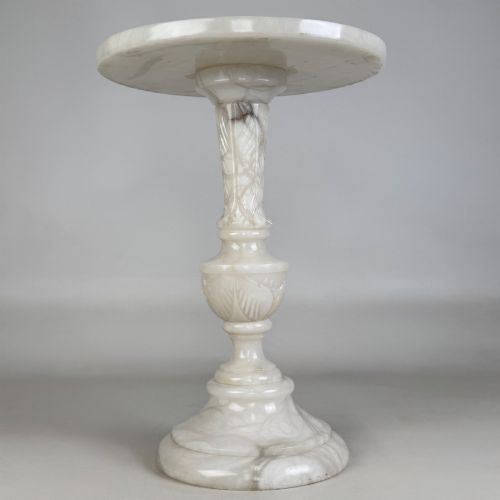
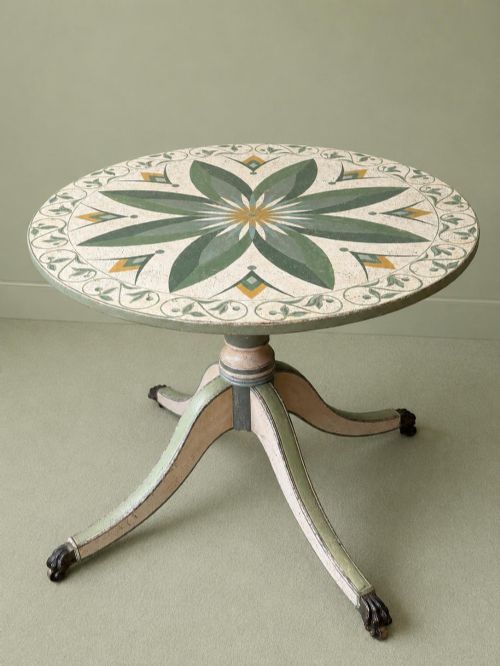
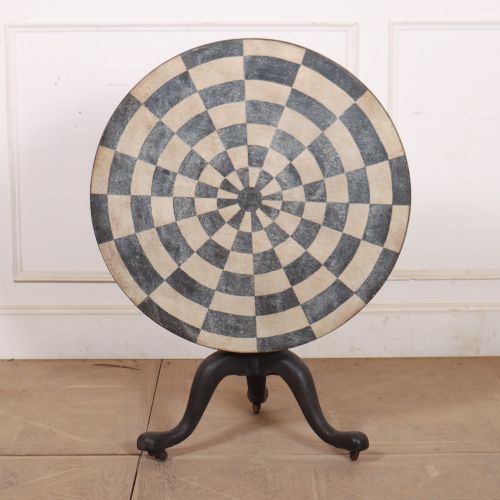
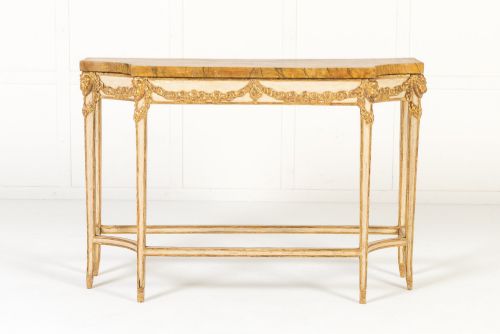
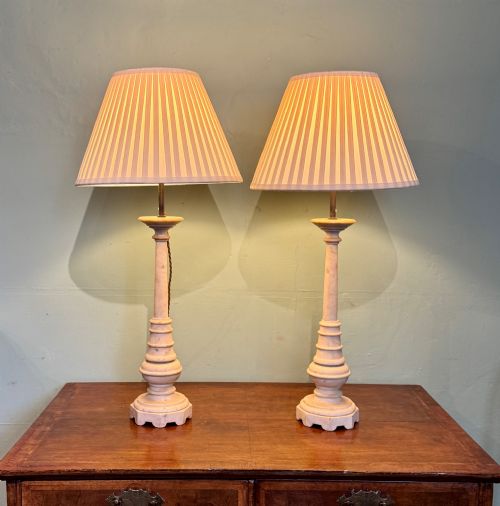
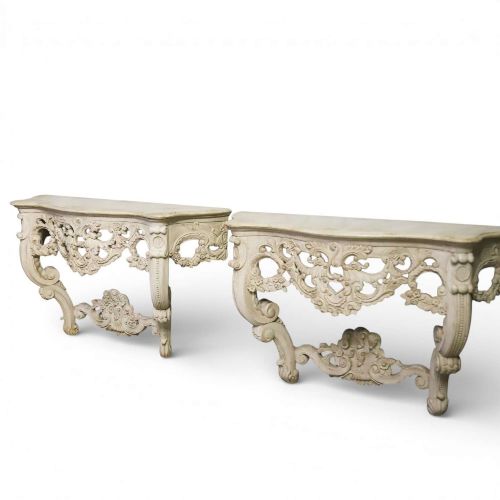
Cream Side Table
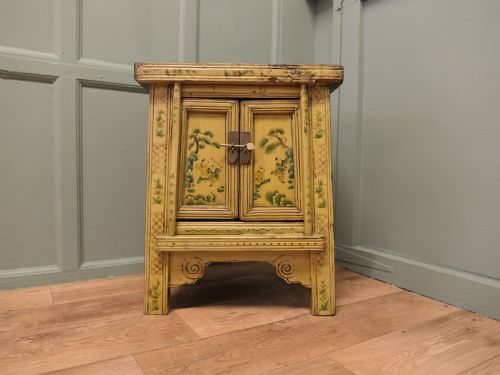
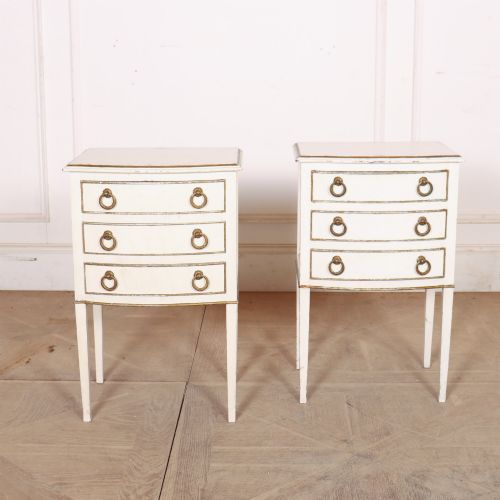
When you want a cream side table, you are looking at painted occasional surfaces ranging from French provincial consoles to Edwardian bedside pieces.
Cream Side Table
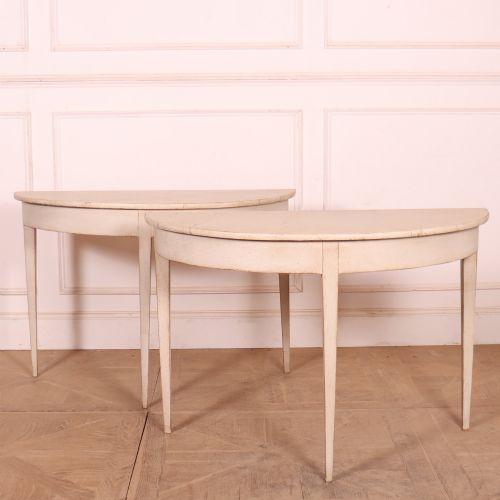
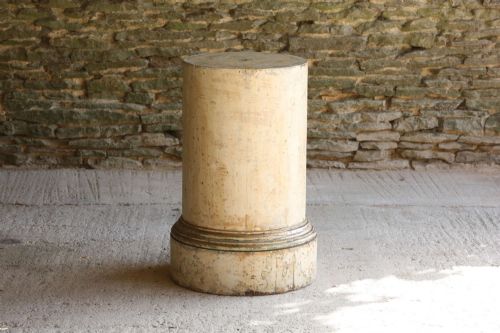
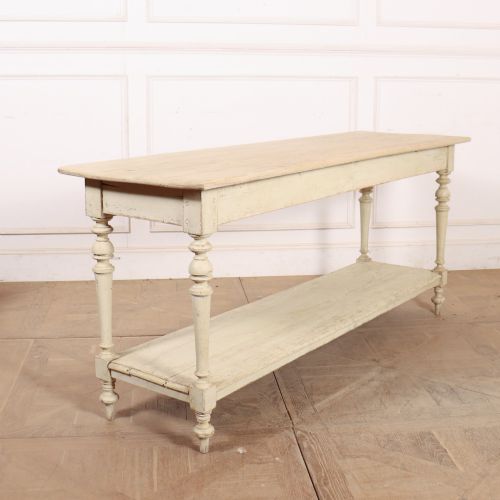
A cream side table brings painted woodwork and subdued tones into domestic spaces, drawing on a lineage of continental and English domestic furniture. The selection spans compact bedside chests and occasional tables to larger console and prep tables originating from the eighteenth century up to the nineteen-thirties.
The versions most commonly met on this page wear painted finishes applied to pine, fruitwood or oak, often finished in muted creams, antique whites and pale yellows. Many pieces reflect regional furniture traditions such as French chateau, Gustavian, Italian neoclassical and Victorian country house styles.
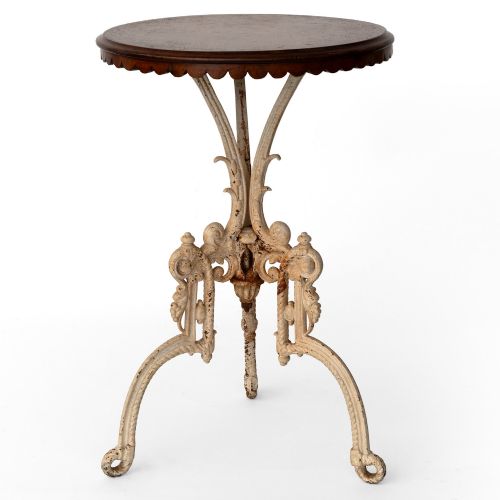
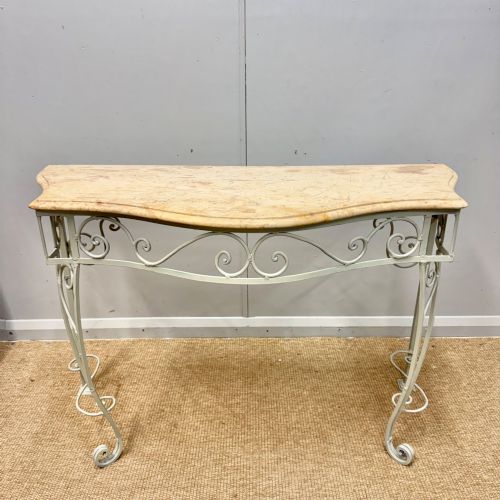
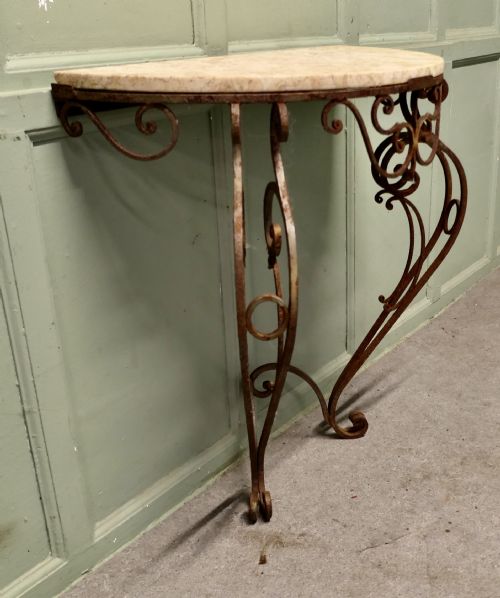
Forms vary widely according to their original domestic function, including demi-lune hall tables, writing desks, tripod lamp tables and narrow bedside cabinets. Certain examples incorporate marble tops, brass mounts, carved gesso or suede inserts alongside single drawers and cabriole legs.
How they were made
Makers constructed these tables from solid hardwoods and softwoods like pine, fruitwood and oak, frequently preparing the timber to receive layers of oil paint or gesso. Applied ornamentation ranges from hand-carved details to neoclassical parcel gilding and later decorative paint schemes.
Surfaces frequently pair painted wooden frames with contrasting inset materials such as polished white or coloured marble, brass trim and suede writing panels. Joinery techniques align with the period of manufacture, utilising traditional drawer construction and stable structural framing for console and occasional use.
Cream Side Table Retail Price Guide 2026
Typical asking prices for cream side table among the pieces listed under this phrase on Sellingantiques today, from the lower quarter to the upper quarter. They describe what is for sale here now, not the wider market.
Some tables spent their youth holding dairy cream before retiring to a quiet hallway as a charming side table.
What varies in quality
The distinction between standard utility furniture and finer pieces lies in the crispness of the carving, the harmony of the proportions and the execution of the painted surface. Hand-carved mouldings and original or sympathetic historic paint layers demonstrate a higher tier of craftsmanship than purely functional workshop output.
Material selection alters the character of each piece, with heavy marble slabs, cast brass mounts and dense fruitwoods elevating the physical weight and presence of the table. The integrity of the underlying timber frame and the sympathetic nature of any later surface decoration govern the overall standing of an individual table.
Royal Vienna
The Cream Side Table Glossary
- Console table
- A wall-mounted or freestanding table designed to stand against a vertical surface, frequently featuring decorative legs and a rectangular or demi-lune top.
- Demilune
- A half-moon shape characteristic of side and console tables designed to sit flush against a wall in narrow hallways or reception rooms.
- Gesso
- A plaster-like material applied to wooden furniture as a smooth base for paint or gilding, allowing for intricate built-up decorative moulding.
- Gustavian
- The Swedish interpretation of French neoclassical design, characterised by pale painted finishes, restrained carving and functional elegance.
- Prep table
- A sturdy utilitarian table originally used in country house kitchens or dairies, constructed from robust timbers suited to heavy daily work.
Cream Side Table: Frequently Asked Questions
What is a cream side table used for?
These tables provide a compact surface for lamps, books and decorative objects in hallways, sitting rooms and bedrooms. Their modest footprints allow them to fit into transitional spaces where larger furniture proves impractical.
Taller console variations serve as display surfaces against empty walls, while bedside cabinets and lamp tables organise smaller domestic items close to seating or sleeping areas.
How do I identify the period?
Dating relies on observing structural timber types, construction methods within drawers and stylistic markers like cabriole legs or neoclassical brass mounts. Eighteenth and nineteenth-century examples typically display hand-cut joinery and aged timber movement.
Early twentieth-century pieces often reflect revival movements, incorporating machine-assisted elements alongside hand-applied painted finishes typical of the period.
Are marble tops original?
Marble inserts appear frequently on continental console and bedside tables from the nineteenth and early twentieth centuries. Many served practical functions in serving or washing areas where stone offered a durable surface.
Evaluating the fit between the stone and the wooden rebate helps determine whether the top belongs to the original construction of the piece.
How should I care for painted wood?
Painted furniture benefits from dusting with a soft, dry cloth to prevent the accumulation of grit on delicate finishes. Moisture and direct heat sources should be avoided to protect historic paint layers and timber substrates.
Applying mild wax polishes only where specified for the particular type of finish maintains the sheen without softening older paint surfaces.