




Cream Porcelain Flower Vase
A cream porcelain flower vase brings understated elegance to a room, offering a quiet backdrop that lets floral arrangements take centre stage.
Cream Porcelain Flower Vase
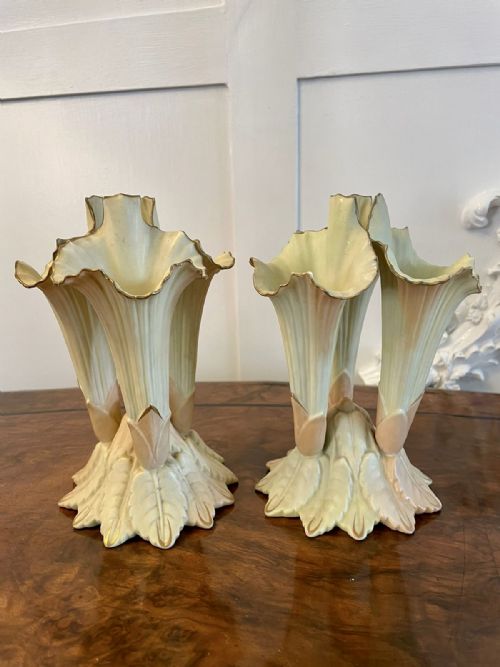
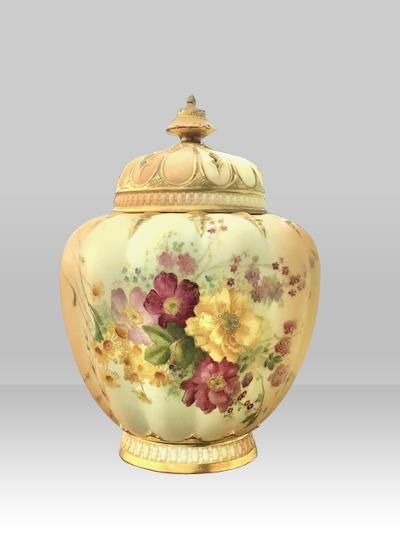
A cream porcelain flower vase encompasses delicate spill vases, beaker-form vessels, and large decorative pots originating from Victorian, Edwardian, and Meiji periods. These pieces often feature soft blush ivory backgrounds, hand-painted botanical or figurative scenes, and subtle gilding.
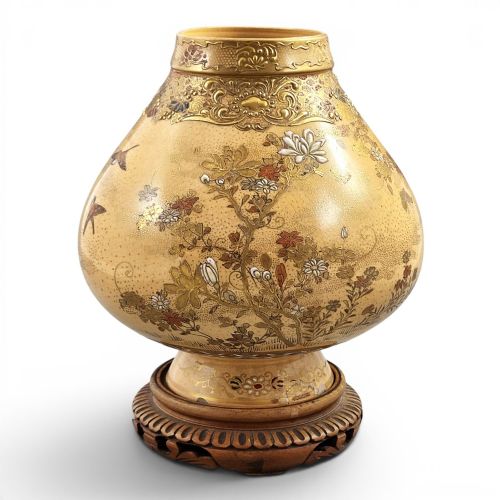
The versions most commonly encountered on this page showcase traditional English porcelain works alongside Japanese Satsuma ceramics. Makers utilise classic forms, ranging from simple cylindrical spill holders to elaborate garlic head designs supported by distinctive bases.
Collectors seek out these cream porcelain flower vase examples for their versatility in interior styling and the intricate craftsmanship evident in their hand-painted details. Each item reflects the distinct aesthetic priorities of its era, from nineteenth-century British manufactories to late Meiji workshops.
How they were made
Potters shaped fine porcelain clays using traditional moulding and throwing techniques before applying specialised cream or blush ivory grounds. Artisans then fired the pieces at high temperatures to achieve a durable, smooth vitreous surface.
Decoration relied heavily on meticulous hand-painting using ceramic enamels for floral and animal motifs, followed by the application of gold leaf, gilt, or gold gilding to highlight rims and handles.
Cream Porcelain Flower Vase Retail Price Guide 2026
Typical asking prices for cream porcelain flower vase among the pieces listed under this phrase on Sellingantiques today, from the lower quarter to the upper quarter. They describe what is for sale here now, not the wider market.
Listings feature porcelain, earthenware, and wood materials across Victorian, Edwardian, and Meiji periods.
What varies in quality
Quality rests in the precision of the hand-painted brushwork and the complexity of the ceramic form. Superior examples display crisp, detailed artistic execution without smudging in the enamel work.
The integrity of the gilding and the delicacy of moulded elements like dolphin bases or garlic head contours further distinguish finer pieces from standard production ware.
Locke & Co.·Kinkōzan Workshop·Royal Worcester·Doulton Burslem·Royal Dux
The Cream Porcelain Flower Vase Glossary
- Spill vase
- A tall, narrow vase designed to hold thin wooden spills used for lighting fires before the invention of safety matches. These items often feature flared rims and stable bases.
- Blush ivory
- A matte cream porcelain finish developed in the late nineteenth century to mimic the appearance of carved ivory. It provides a soft ground for floral decoration and gilding.
- Satsuma
- Japanese pottery originating from the Satsuma province, characterised by a crackled cream earthenware glaze richly decorated with enamels and gold. It gained significant popularity during the Meiji period.
- Gilt
- A thin layer of gold applied to the surface of porcelain to accent rims, handles, and decorative borders. It adds reflective contrast to the matte cream background.
Cream Porcelain Flower Vase: Frequently Asked Questions
How do I date a porcelain vase?
Dating involves examining factory backstamps, ceramic bodies, and decorative styles characteristic of periods like the Victorian, Edwardian, or Meiji eras. Maker marks stamped or painted on the underside often provide specific production years.
Stylistic cues such as Art Nouveau curving lines or traditional hand-painted floral motifs also help narrow down the chronological window of manufacture.
Where were these vases made?
The pieces originate primarily from prominent European porcelain manufactories in England and specialised ceramic workshops in Japan. British houses like Royal Worcester and Doulton Burslem produced domestic wares alongside Japanese kilns creating Satsuma export pieces.
Each region contributed distinct aesthetic traditions, combining local clay preparation methods with characteristic surface decoration techniques.
How should I clean my antique vase?
Cleaning requires gentle dusting with a soft, dry cloth to prevent accumulation on delicate enamel and gilt surfaces. Avoid harsh chemical cleaners or abrasive scrubbers which can damage hand-painted details and historic glazes.
If washing is necessary, use lukewarm water with mild soap, and dry thoroughly by hand immediately afterwards to protect the porcelain body.