



English Porcelain Flower Vase
An english porcelain flower vase brings botanical charm to a room, drawing on centuries of ceramic artistry.
English Porcelain Flower Vase
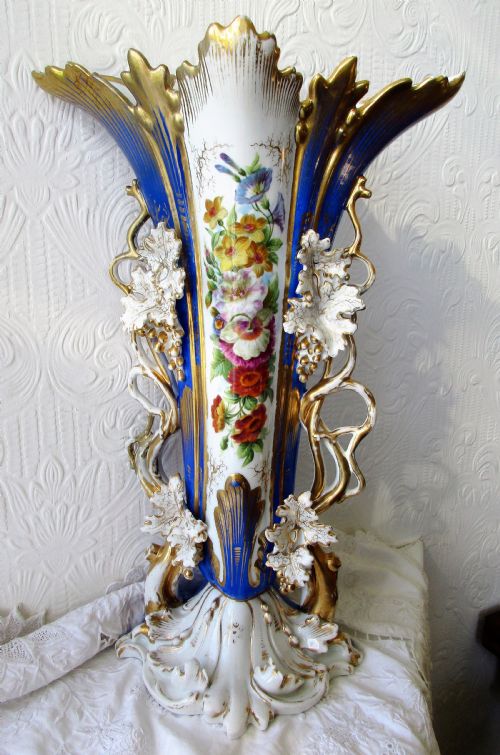
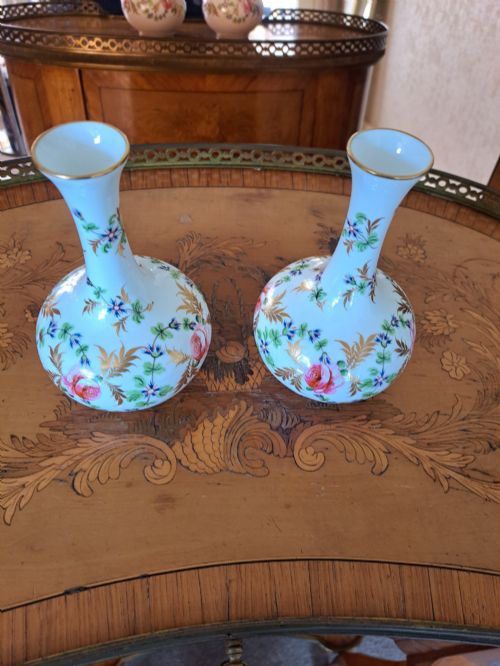
When you search for an english porcelain flower vase, you encounter a refined array of ceramic vessels designed to display blooms or stand alone as decorative ornaments. The examples on this page span several eras, from the 18th century through the Victorian and Edwardian periods up to the mid-20th century.
The forms vary widely, encompassing traditional vases, spill vases, bud vases, beaker-form vessels, cornucopia, and bough pots. Many pieces showcase elaborate hand-painted decoration, featuring subjects such as highland cattle, birds, peonies, and floral arrangements.
Origins include distinguished factories and potteries such as Derby, Royal Worcester, Flight Barr and Barr Worcester, and Doulton Burslem. Alongside the ceramic vessels, the selection occasionally includes related fine art paintings depicting flowers in vases.
How they were made
Makers utilised fine porcelain, bone china, and ironstone to form the body of each vessel, often shaping them into intricate forms like three-dolphin bases or cornucopia. Skilled artisans then applied detailed enamels and hand-painted motifs directly onto the ceramic surface.
Gilt, gold leaf, and gilding frequently highlight the rims, handles, and moulded details, adding a layer of metallic lustre. Flower encrusted examples required meticulous hand-modelling of individual ceramic petals applied prior to firing.
English Porcelain Flower Vase Retail Price Guide 2026
Typical asking prices for english porcelain flower vase among the pieces listed under this phrase on Sellingantiques today, from the lower quarter to the upper quarter. They describe what is for sale here now, not the wider market.
Listings span the 18th century, Regency, Victorian, Edwardian, and mid-20th century periods.
What varies in quality
The distinction between standard production and the finest work lies in the execution of the painting and the precision of the modelling. Master artists working at premier factories achieved remarkable detail in hand-painted animal and botanical scenes.
The application of gold leaf and enamel also sets pieces apart, with superior examples showing crisp, well-preserved gilding and rich colour saturation that withstands the passage of time. The complexity of the vessel shape, such as sculptural dolphin supports or delicate flower encrustations, further elevates the tier of the piece.
Crown Derby·Flight Barr and Barr·Stevenson and Hancock·Royal Worcester·Doulton Burslem·W Factory·Herbert Davis Richter
The English Porcelain Flower Vase Glossary
- Bone China
- A type of soft-paste porcelain incorporating bone ash, known for its strength and milky translucence. It became a staple of British ceramic production.
- Ironstone
- A heavy, durable type of earthenware patented in the 19th century. It offers toughness similar to stone while accepting colourful enamel designs easily.
- Spill Vase
- A tall, slender vessel made to hold tapered wooden spills used for lighting fires and candles. They often match the height of larger mantel ornaments.
- Bough Pot
- A decorative container designed to hold leafy boughs or cut flowers for interior decoration. They frequently feature pierced lids to keep stems in place.
- Imari
- A decorative style inspired by Japanese export wares, characterised by a palette of underglaze blue, iron red, and gilt. British potteries adopted this aesthetic widely during the 19th century.
English Porcelain Flower Vase: Frequently Asked Questions
What is a bough pot used for?
A bough pot served as a decorative container for holding leafy branches and fresh garden stems to scent and adorn rooms during warmer months. These vessels often included pierced inner covers to keep arrangements upright.
Today, they make striking decorative centrepieces on sideboards or tables, functioning well with or without fresh foliage.
How do I identify a Victorian piece?
Victorian examples often display the eclectic revival styles popular during the 19th century, including Rococo flourishes and rich Imari palettes. Factory marks and registry numbers stamped on the base can help narrow down the exact decade of manufacture.
Examining the weight of the ceramic and the style of hand-painting also provides clear clues to the period.
Where were these porcelain vessels made?
The pieces originate primarily from renowned historic British ceramic centres such as Worcester, Derby, and Staffordshire. Major factories like Royal Worcester and various Derby works produced the majority of these fine decorative items.
Each region developed distinct paste recipes and painting traditions that help identify their geographic provenance.
How should I display a spill vase?
Spill vases look wonderful arranged on mantelpieces or occasional tables, historically positioned near hearths to hold lighting tapers. Their narrow profiles suit small floral displays or single stems.
Pairing them with matching mantel ornaments creates a balanced, traditional display surface.