
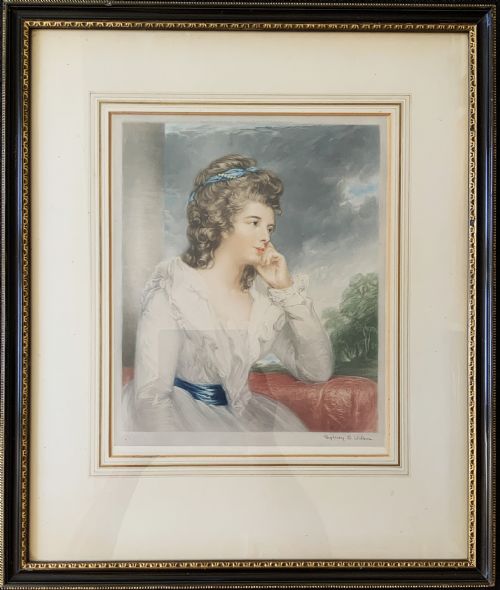

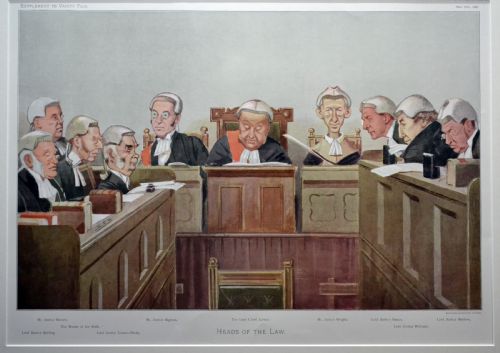


Cream Paper Portrait
A cream paper portrait captures a likeness on delicate grounds, ranging from early Regency works to mid-century studies.
Cream Paper Portrait
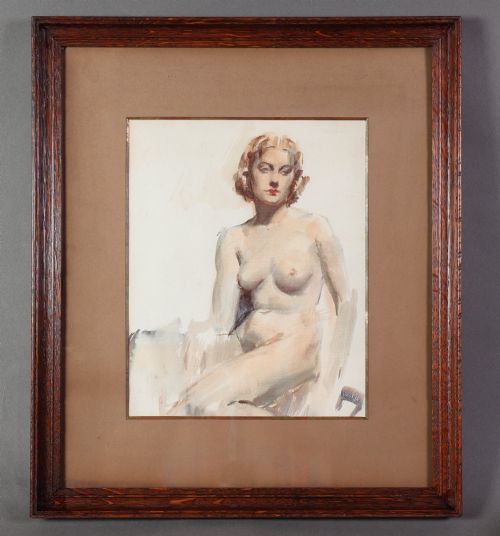
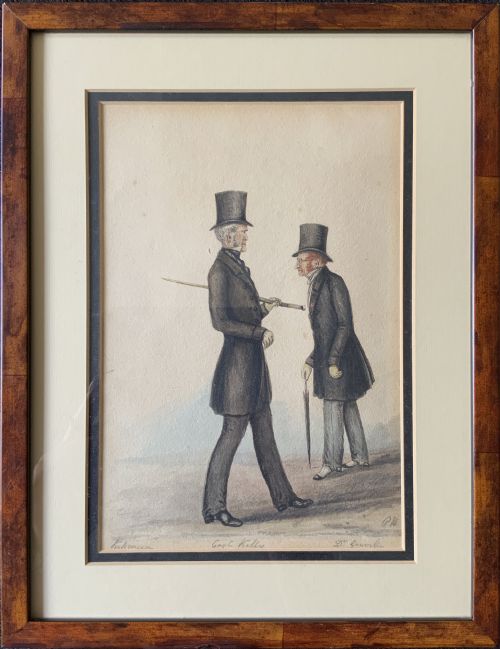
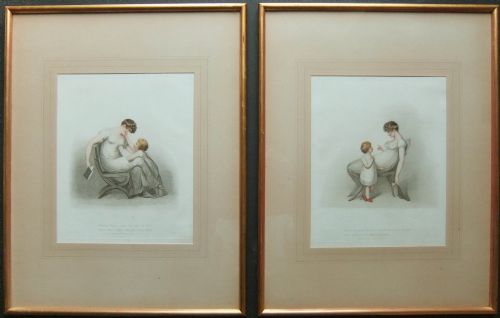
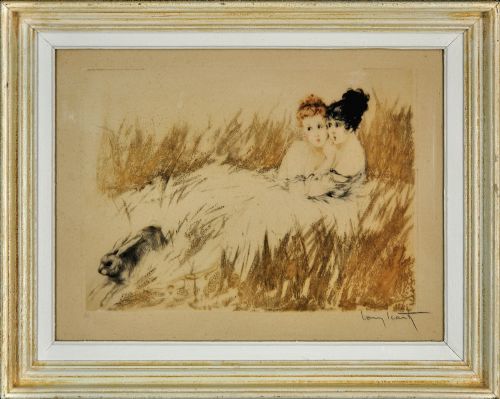
A cream paper portrait takes many forms on this page, including watercolour paintings, pencil drawings, engravings, woodblock prints, and mixed media works. These pieces depict subjects from individual sitters and historical figures to caricatures and costumed figures across the eighteenth, nineteenth, and twentieth centuries.
Buyers will encounter framed artworks, wall art, prints, and miniatures executed by artists associated with British, French, Japanese, and Ottoman traditions. The selection spans naive art, Regency studies, Victorian prints, and Art Deco interpretations.
How they were made
Woodblock techniques appear alongside traditional printmaking methods, while other works rely on layered watercolours and ink washes directly on paper surfaces.
Object types range from wall art and portrait miniatures to woodblock prints and double-page engravings.
What varies in quality
The refinement of line work and the dexterity of the hand distinguish individual portrait paintings and sketches. Expressive handling of watercolour and ink demonstrates the maker's technical capability.
The preservation of the paper ground and the clarity of printed details influence the visual impact of each piece. Intricate additions such as costume overlays or signed artist proofs reflect distinct tiers of production.
Adam Buck·Louis Icart·Sydney Wilson·Kitagawa Utamaro·Takashi Nakayama·John Duncan Fergusson·Dame Laura Knight·John E. Bosanquet·Theobald Chartran·Henry Edridge·Leo Klin·Alexander Melville·K B Curtis
The Cream Paper Portrait Glossary
- Watercolour
- A paint consisting of pigment suspended in a water-based solution, frequently applied to paper in transparent washes.
- Etching
- A printmaking process where lines are bitten into a metal plate with acid before ink is applied and transferred to paper.
- Gouache
- An opaque water-based paint that provides solid colour and dense highlights on paper supports.
- Mezzotint
- A tonal printmaking method allowing smooth gradations of dark and light to be achieved on the printed sheet.
- Woodblock print
- An image carved into a wooden block, inked, and pressed onto paper, prominent in Japanese traditions.
Cream Paper Portrait: Frequently Asked Questions
What periods do these portraits cover?
The works span from the eighteenth century through the Regency and Victorian eras into the early decades of the twentieth century.
Individual pieces reflect stylistic shifts across British, European, and Japanese traditions within those timeframes.
How are cream paper portraits usually displayed?
Most examples are preserved behind glass within framing appropriate to their period.
Wall mounting protects the paper support from handling while displaying the fine details of the ink and watercolour.
Are these works signed by artists?
Several pieces feature artist signatures, monograms, or attribution to notable figures from various schools.
Others represent anonymous makers or traditional workshop productions from the nineteenth and twentieth centuries.
What materials support the painted images?
The primary support is paper, frequently showing a cream tone due to age or original selection.
Artists applied media ranging from graphite and ink to gouache and watercolour directly onto this surface.