


Cream Paper Architectural Art
Cream paper architectural art brings together delicate works on paper and detailed engravings depicting classical buildings and ancient structures.
Cream Paper Architectural Art
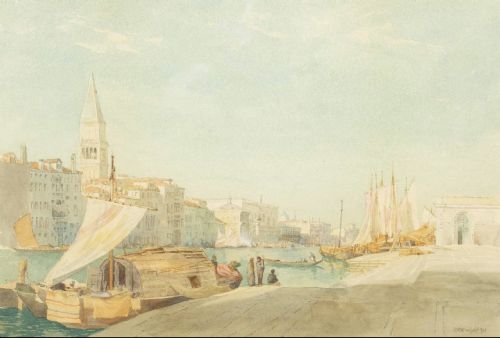
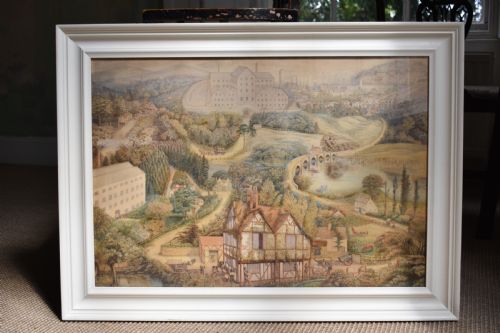
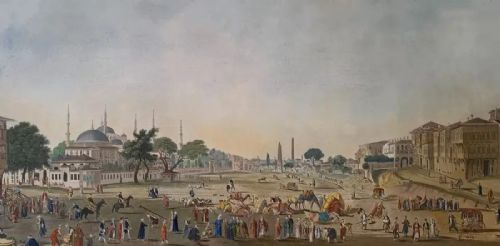
Cream paper architectural art encompasses delicate works on paper and detailed engravings depicting classical buildings, ancient structures, and historical monuments. When exploring cream paper architectural art, you will encounter pieces ranging from eighteenth-century engravings to Victorian watercolours.
Originating from periods including the eighteenth century, the Victorian era, and the Edwardian period, these works often reflect the aesthetic of the Grand Tour. Buyers frequently discover framed artwork and wall art that preserve the intricate details of historical design and urban topography.
Factors That Influence Quality
Quality in these works depends upon the precision of the draughtsmanship and the clarity of the printed line or brushwork. Finer examples display meticulous attention to architectural proportion and structural detail, whether rendered in delicate watercolour or crisp engraving ink.
The condition of the paper support and the vibrancy of the remaining pigment significantly affect the overall appeal. Works that retain their original tonal depth and structural clarity without excessive fading stand at the upper end of the range.
Several eighteenth-century plates meticulously record mythological satyrs alongside ancient architectural ruins.
James Basire·Henry Edridge·Richard Henry Wright·Anton Ignaz Melling
The Cream Paper Architectural Art Glossary
- Engraving
- A printmaking technique where an image is incised onto a metal plate, allowing ink to transfer sharp, fine lines onto paper. This method was widely used to record architectural antiquities.
- Watercolour
- A paint consisting of pigment suspended in a water-based solution, applied to paper to create translucent washes of colour. It is frequently employed for architectural designs and landscape views.
- Grand Tour
- A traditional trip through Europe undertaken by upper-class Europeans in the eighteenth and nineteenth centuries to study classical art and architecture. Mementos from this journey often included architectural views and sketches.
- Neoclassical
- A style of art and architecture inspired by the classical art and culture of ancient Greece and Rome. This aesthetic heavily influences the temples, columns, and structural motifs found in these works.
- Academic sketch study
- A preliminary drawing or painting created by an artist for practice or compositional planning within a formal training tradition. These studies often focus on anatomical or architectural details.
Cream Paper Architectural Art: Frequently Asked Questions
What periods do these pieces date from?
The selection spans from the mid-eighteenth century through the Victorian and Edwardian eras up to the early twentieth century.
Pieces from the seventeen-fifties and eighteen-hundreds sit alongside later academic studies and nineteenth-century British school watercolours.
How should I display these artworks?
These works on paper require careful placement away from direct sunlight to prevent the fading of watercolour pigments and paper discoloration.
Framing behind glass helps protect the delicate paper surfaces from dust and atmospheric moisture in domestic interiors.
What subjects appear in these works?
Common subjects include classical architectural ruins, ancient Athenian temples, Italian landmarks, and detailed landscape designs.
Artists also recorded topographical views, urban scenes like Venetian canals, and conceptual lacquer cabinet designs.
Are these works original antique pieces?
The inventory comprises original period works, including eighteenth-century engravings, antique Italian paintings, and nineteenth-century watercolours.
Signatures, framing styles, and paper characteristics help indicate the historical authenticity of each individual item.