

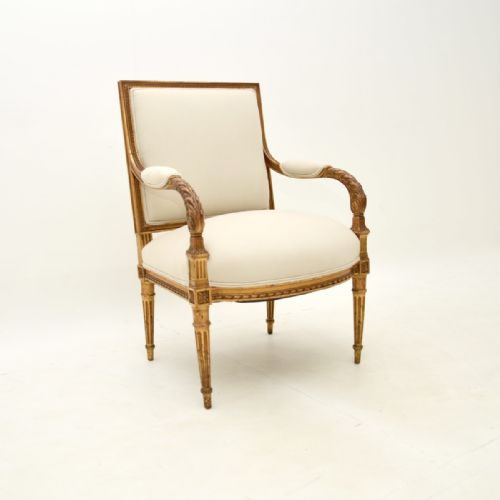


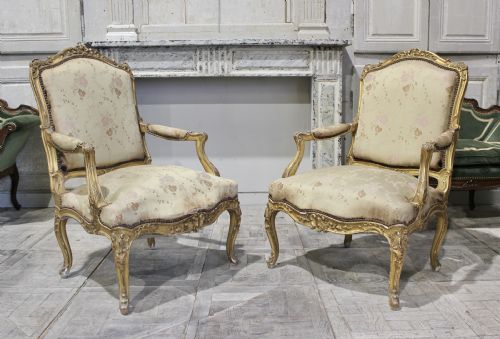

Cream Pad Seat Chairs
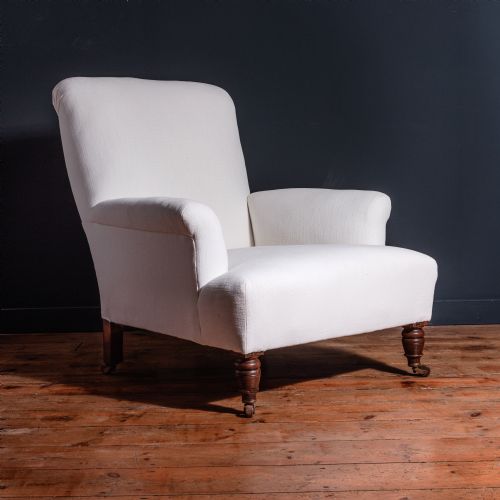
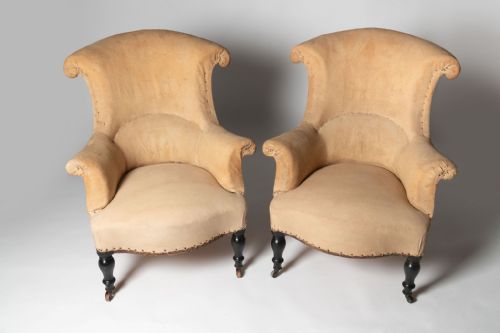
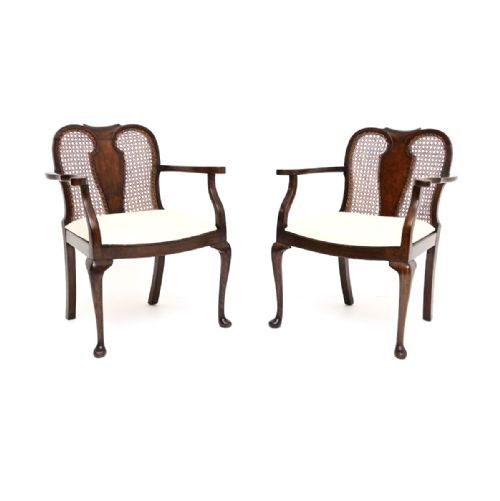
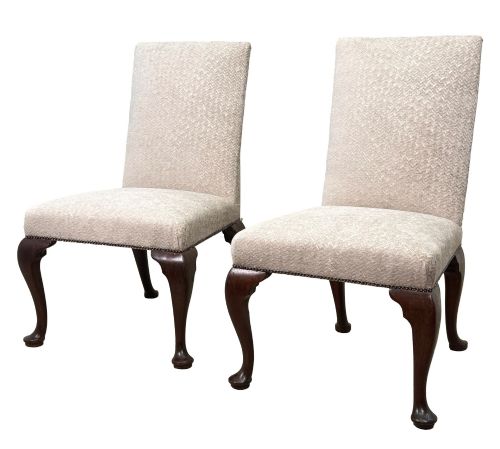
Cream pad seat chairs are seating forms defined by upholstered pads, meeting the eye across walnut, mahogany, and painted wood frames.
Cream Pad Seat Chairs
Cream pad seat chairs comprise various seating forms ranging from side chairs and armchairs to stools, settees, and benches. When searching for cream pad seat chairs, buyers encounter pieces spanning the 18th century, Georgian, Victorian, and Edwardian periods.
Makers and styles represented encompass Hepplewhite, Louis XVI, Napoleon III, Art Deco, and Hille alongside Haward style pieces. The most frequent encounters on this page involve walnut and mahogany frames paired with upholstered pad seats from the 19th century.
Materials and construction methods
Frames rely on hardwoods such as walnut, mahogany, and rosewood, shaped with cabriole legs or turned supports, while alternative examples utilise ebonised wood, painted wood, and carved gilt wood. Woodworking techniques involve hand carving and structural framing to support daily use.
Upholstery incorporates traditional textile and fabric pads, sometimes secured over cane backs or open frames using calico foundations. Brass accents and detailed carvings finish the framework of select French and English designs.
Cream Pad Seat Chairs Retail Price Guide 2026
Typical asking prices for cream pad seat chairs among the pieces listed under this phrase on Sellingantiques today, from the lower quarter to the upper quarter. They describe what is for sale here now, not the wider market.
Listings feature walnut and mahogany predominantly, alongside ebonised wood, painted wood, and rosewood across multiple centuries.
Factors of quality
Quality rests in the precision of the timber carving and the integrity of the frame construction, separating robust cabinetwork from simpler joinery. Finer pieces demonstrate balanced proportions and fluid lines across cabriole legs and arm structures.
The execution of surface finishes, whether original paint, gilt wood, or polished walnut, dictates visual distinction. Upholstery work and frame materials further elevate the standing of individual pieces within the range.
Hille·Hepplewhite
The Cream Pad Seat Chairs Glossary
- Cabriole leg
- A furniture leg that curves outward at the knee and tapers inward toward the ankle, ending in a pad or foot. This form appeared widely on 18th-century and Victorian seating.
- Gilt wood
- Wood coated with a thin layer of gold leaf or gilt paint. French decorative armchairs frequently utilise this finish.
- Ebonised
- Wood stained or treated to resemble ebony, producing a dense black finish. This technique featured prominently on Victorian salon armchairs.
- Prie-Dieu chair
- A low-backed devotional chair fitted with a wide top rail for kneeling or resting arms. Victorian examples often feature walnut frames and upholstered pads.
- Cane back
- A chair back woven from peeled rattan or cane strips. Edwardian armchairs often pair cane back panels with upholstered seats.
Cream Pad Seat Chairs: Frequently Asked Questions
How do I identify a Georgian cream pad seat chair?
Georgian pieces typically employ solid walnut or mahogany frames with substantial craftsmanship and classic proportions. Look for structural characteristics specific to the 18th century.
Detailing often includes refined carving on the legs and back supports, distinguishing them from later Victorian revivals.
What materials were used for these chair frames?
Makers utilised hard timbers such as walnut, mahogany, and rosewood for primary structural stability. Ebonised wood and painted surfaces also appear frequently across the selection.
Alternative finishes include carved gilt wood on French decorative seating and brass accents on select frames.
How do French and English styles differ?
French seating often displays elaborate carved gilt wood, painted surfaces, and Louis XVI styling. These pieces emphasise decorative flourishes and open arm designs.
English examples tend toward regional country house aesthetics, walnut or mahogany frames, and structured Hepplewhite or Victorian forms.
How do I care for antique upholstered seating?
Keep upholstered pieces away from direct sunlight to protect fabric and textile pads from fading. Maintain stable indoor humidity levels to preserve wooden frames and joinery.
Gentle cleaning methods suit antique surfaces best, avoiding harsh chemical treatments on painted, gilt, or polished wood.