

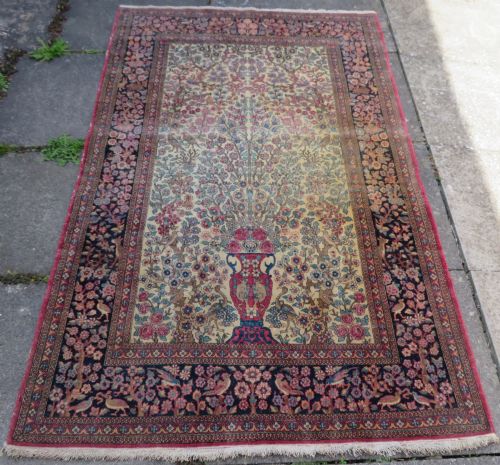
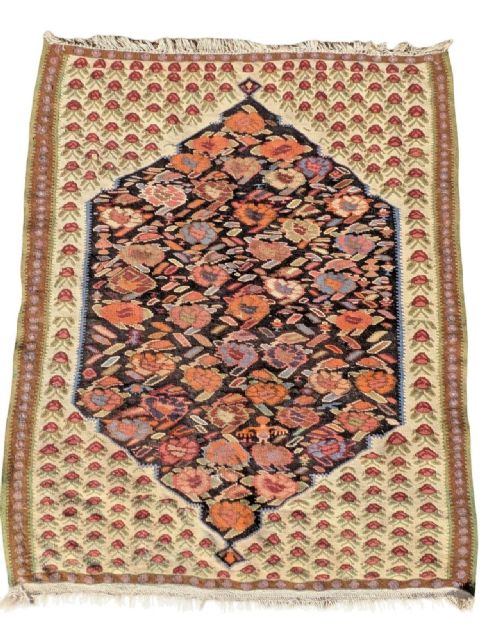
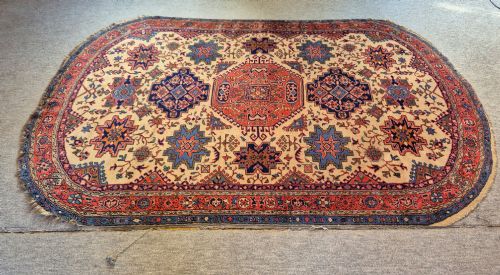
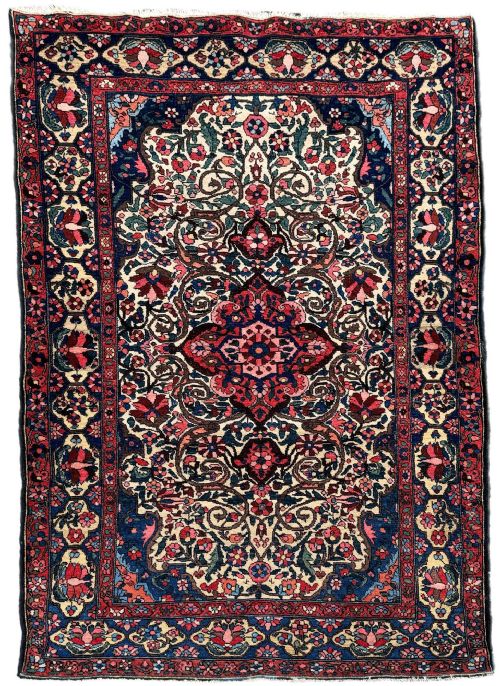
Cream Oriental Carpet
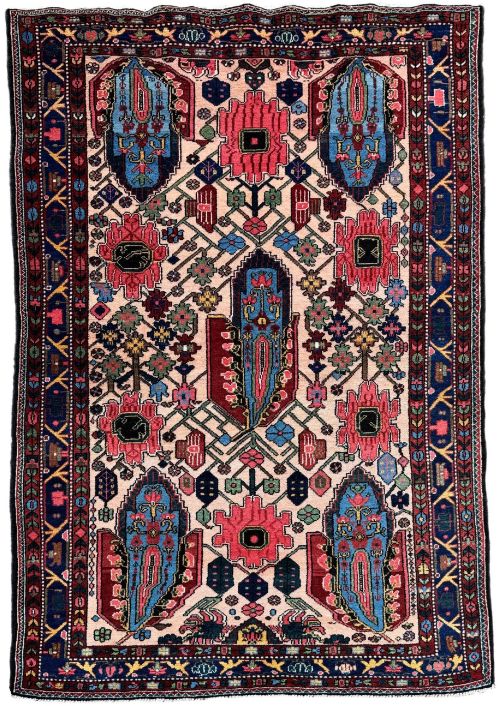
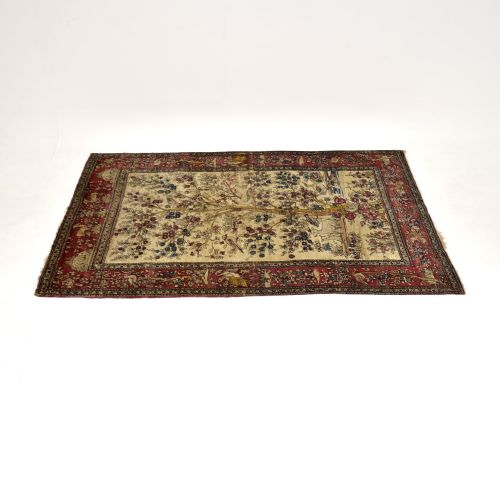
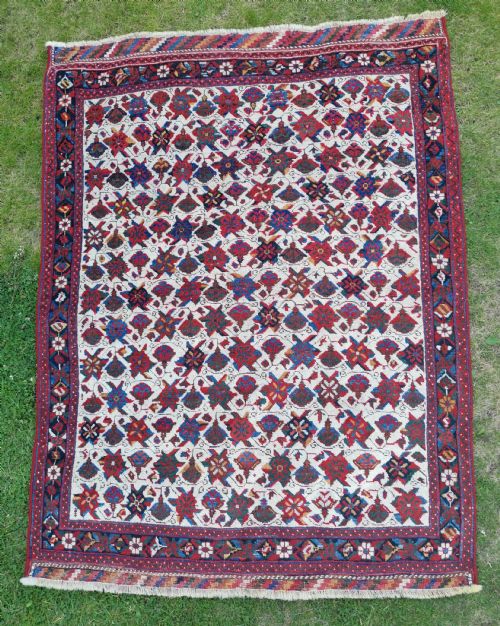
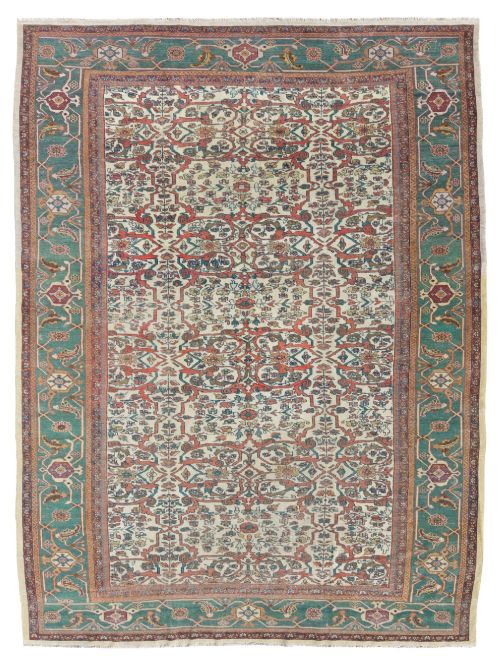
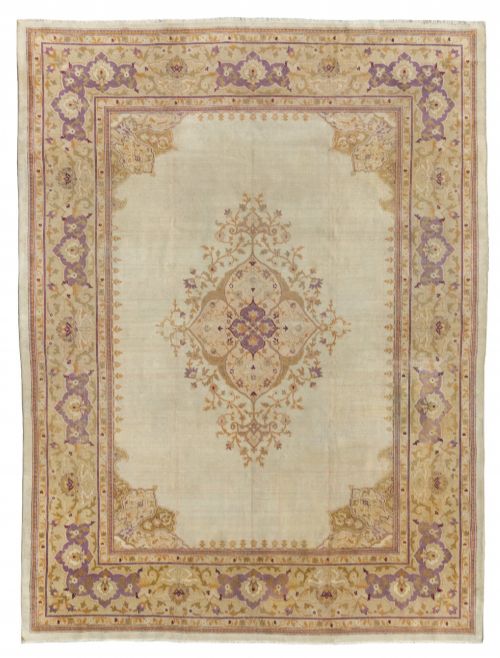
A cream oriental carpet brings soft pale ground tones and intricate regional weaving traditions into a room.
Cream Oriental Carpet
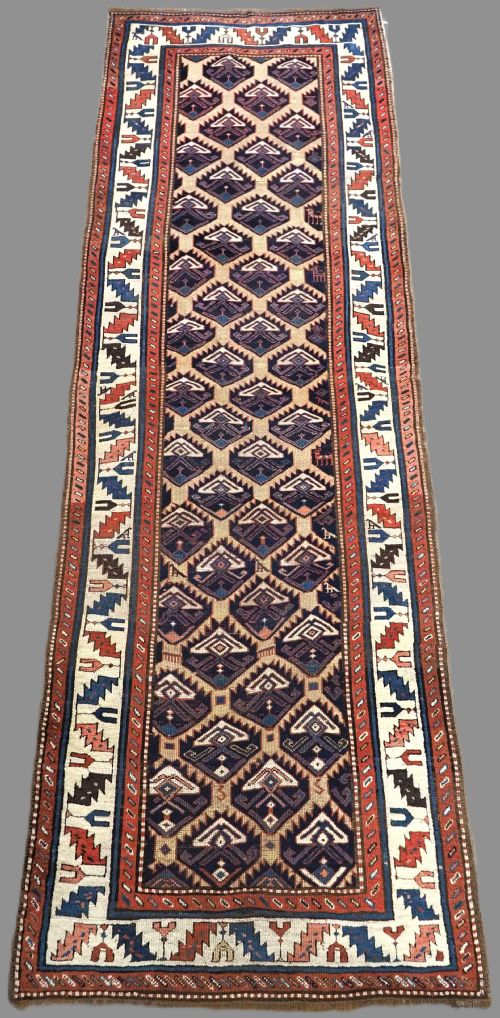
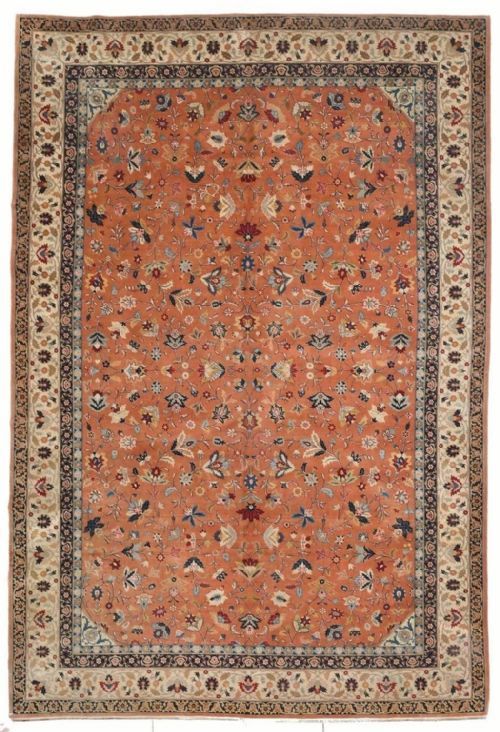
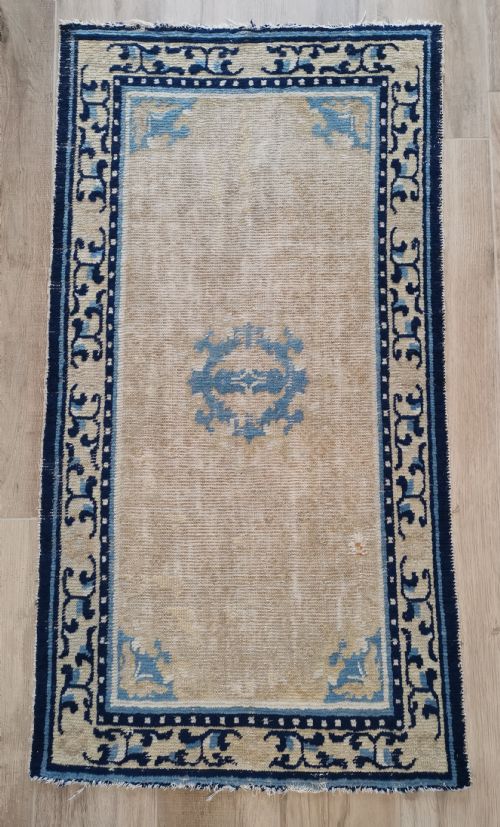
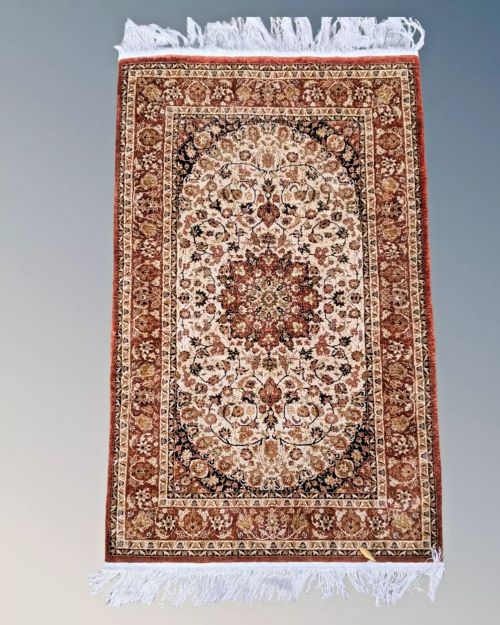
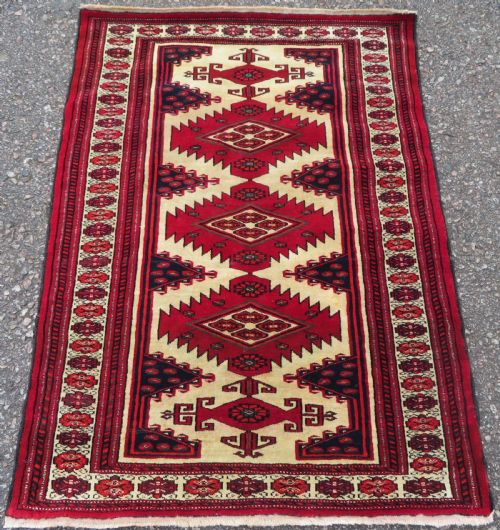
When you search for a cream oriental carpet, you encounter hand-knotted room-size carpets, runners, and area rugs originating from Persian, Turkish, Caucasian, and Central Asian workshops and tribes. These pieces display ivory, white, or light neutral foundations beneath medallion, floral, pictorial, or geometric compositions.
The selections span the nineteenth and early twentieth centuries, including works from Tabriz, Heriz, Kirman, Isfahan, and surrounding weaving centres. Buyers frequently meet large formats alongside smaller village rugs, corridor runners, and specialised prayer formats.
How they were made
These floor coverings utilise durable wool, cotton foundations, and occasionally silk for finer detail work. Artisans knot the pile by hand onto warp and weft threads, creating dense structures designed for heavy use.
Natural dyestuffs provide the colour palette, yielding subtle variations in tone across ivory grounds and patterned borders. Weavers tie symmetrical or asymmetrical knots depending on the regional workshop tradition.
What varies in quality
Knot density and structural fineness separate standard village production from master workshop output. Higher knot counts permit sharper botanical outlines and more intricate curves within the design.
The handling of the wool and the depth of the dye saturation dictate the tactile resilience of the pile. Superior examples maintain balance between supple drape and robust foundation weight.
Benlian
The Cream Oriental Carpet Glossary
- Pile
- The vertical or diagonal loops of yarn that form the usable surface of the carpet. This dense wool or silk layer absorbs wear and displays the pattern.
- Warp
- The stationary longitudinal threads stretched tightly on the loom before knotting begins. Foundation yarns provide the structural backbone of the piece.
- Weft
- The horizontal threads passed across the warp strands between rows of knots to secure them in place. These threads tighten the fabric structure.
- Prayer rug
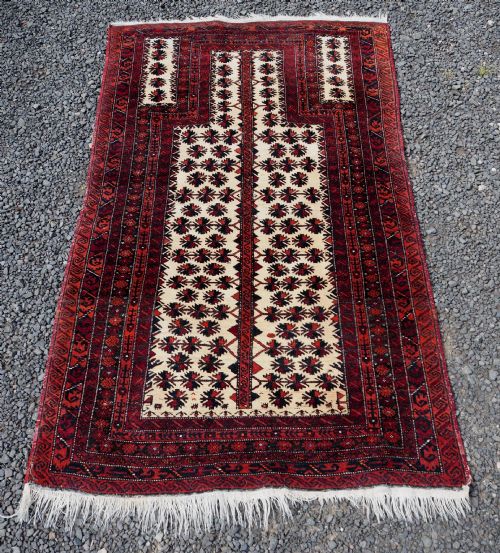
- A small format featuring a distinct niche or mihrab design at one end. Historically used for individual devotion, these pieces orient the worshipper.
- Medallion
- A central ornamental design motif placed in the middle of the carpet field. This focal point anchors the surrounding floral or geometric layout.
Cream Oriental Carpet: Frequently Asked Questions
How do I clean an antique carpet?
Professional specialist cleaning remains essential for removing embedded grit without damaging natural wool fibres or historic dyes. Routine gentle vacuuming without a rotating beater bar prevents dust accumulation.
Avoid household chemical treatments or excessive moisture, which weaken old cotton foundations. Periodic professional inspection ensures structural stability is maintained.
Where should I place a runner?
Narrow formats suit hallways, staircases, and corridors where foot traffic requires durable floor protection. Their elongated proportions guide movement through domestic spaces.
Ensure a quality underlay is fitted beneath to prevent slipping and reduce abrasion against hard flooring.
How do I identify a prayer rug?
Look for a prominent architectural arch or dome shape depicted at one end of the central field. This motif directs the orientation of the piece during use.
These formats tend to measure smaller than room sizes, intended for personal placement rather than central room coverage.
What causes ivory wool to age?
Natural exposure to light and air over decades alters the tone of unbleached wool and vegetable dyes. This gentle patina reflects the true age of the textile.
Even fading across the pile indicates natural maturation rather than artificial alteration.