



Cream Linen Embroidery
Cream linen embroidery offers remarkable historic textiles, bringing rich textures and centuries of handiwork into modern interiors.
Cream Linen Embroidery
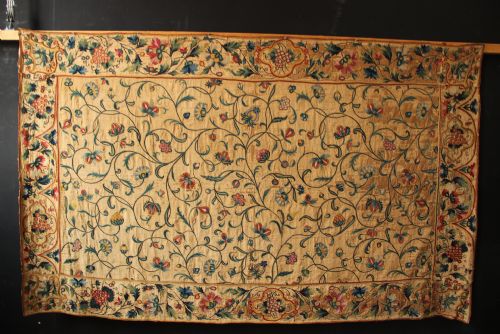
When you search for cream linen embroidery, you encounter historic textile art spanning the seventeenth through the nineteenth centuries. These pieces encompass intricate needlework samplers, wall hangings, and framed textile panels originating from English, French, Greek, and Ottoman traditions.
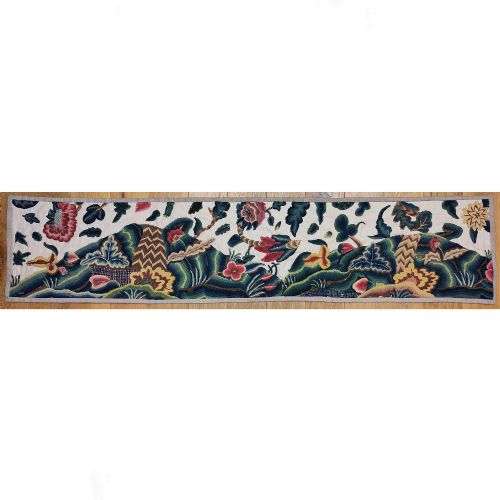
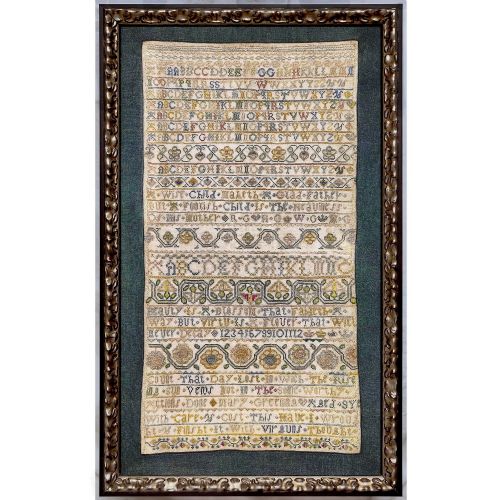
The most frequent examples on this page are British needlework samplers and crewelwork panels. Makers executed these works on natural linen grounds using varied threads, preserving vernacular and formal designs across generations.
Materials and Construction
Artisans built these works upon sturdy linen foundations, employing wool, silk, and cotton threads to build dense pictorial surfaces. The combination of fine threads on woven linen yielded textured panels designed for domestic display.
Surviving examples incorporate specialised stitching techniques specific to their regional styles, from Jacobean crewelwork to Ottoman needlework. Makers utilised supplementary materials like glass elements in framing to protect the fragile textiles.
Cream Linen Embroidery Retail Price Guide 2026
Typical asking prices for cream linen embroidery among the pieces listed under this phrase on Sellingantiques today, from the lower quarter to the upper quarter. They describe what is for sale here now, not the wider market.
Geographic origins span English, French, Greek Island, Uzbek, and Ottoman traditions within various framed and unframed formats.
Assessing Quality and Execution
The distinction between standard and exceptional pieces rests upon the precision of the needlework and the complexity of the design. Finer specimens display tight, even stitches that maintain structural integrity across large expanses of linen.
Historic context and provenance elevate certain works, particularly signed samplers bearing maker names, dates, or topographical details like maps. The survival of original framing and uncompromised textile grounds also dictates the standing of each piece.
Mary Greening·Annabella Samon Christal Palace·Margaret Ann Blackow·Mary Street Didsbury·Mary Pinfold
The Cream Linen Embroidery Glossary
- Sampler
- A piece of needlework produced as a demonstration or test of skill in various stitches, often featuring alphabets, numbers, and motifs. These exercises preserve the educational attainments of young makers.
- Crewelwork
- Embroidery executed with wool yarn on a linen ground, traditionally featuring swirling floral and fauna motifs. This technique gained prominence during the seventeenth century in English workshops.
- Band sampler
- A long, narrow textile displaying horizontal bands of distinct embroidery patterns arranged in rows. Makers used these formats to record and practice various stitch combinations.
- Ottoman embroidery
- Needlework originating from the Ottoman Empire, characterised by distinctive regional motifs and rich thread work. These textiles reflect extensive trade networks and local decorative arts.
- Needlework panel
- A finished decorative textile intended for wall hanging or framing rather than utility. These items showcase pictorial scenes, maps, or decorative compositions.
Cream Linen Embroidery: Frequently Asked Questions
How should I display historic textile art?
Protect your textiles from direct sunlight and moisture to prevent fading and fibre degradation. Frame them behind UV-filtering glass with adequate spacing between the fabric and the glazing.
Ensure that hanging hardware is secure and that the textile supports its own weight evenly across the mounting board.
What periods do these textiles represent?
The available selection spans from the seventeenth century through the Victorian era. You will find seventeenth-century crewelwork alongside eighteenth-century map samplers and nineteenth-century regional pieces.
Each period utilises distinct stylistic conventions and thread choices that help identify its era of origin.
Can I clean historic linen embroidery?
Historic textiles require professional conservation rather than standard laundering. Attempting to wash fragile linen and aged threads at home risks causing irreversible damage.
Consult a textile conservator if cleaning becomes necessary for the preservation of the piece.
How do I distinguish regional embroidery styles?
Regional differences appear in the choice of motifs, stitch types, and colour palettes. English pieces often feature traditional crewel designs or educational samplers, while Greek and Ottoman works display distinct local patterns.
Examining the underlying linen and thread types further clarifies the geographic origin of each textile.