




Cream Glazed Pottery Dish
These cream glazed pottery dish selections span centuries of earthenware and ceramic craft, offering tactile history for your table.
Cream Glazed Pottery Dish
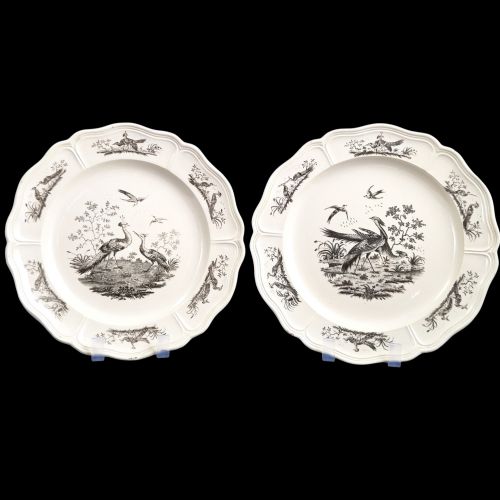
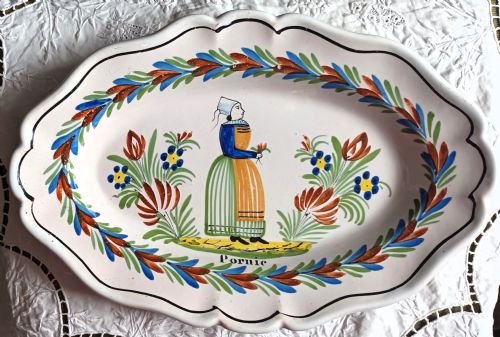
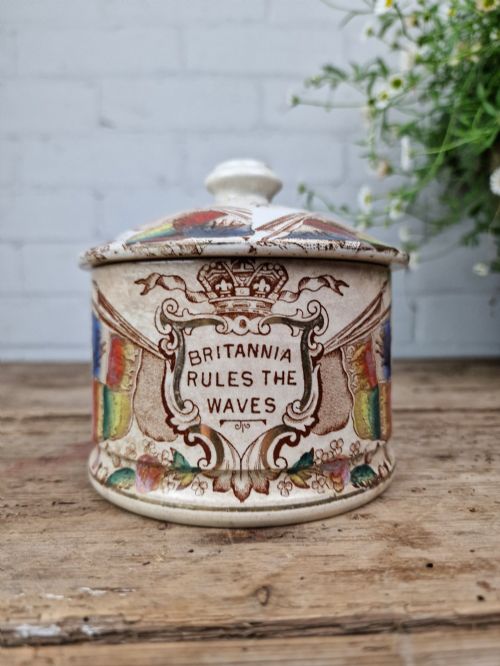
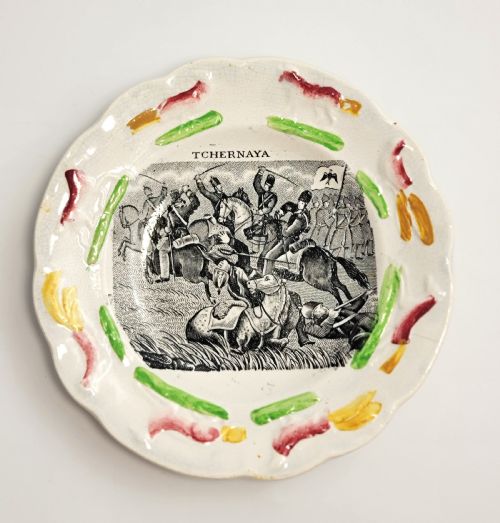
A cream glazed pottery dish encompasses everything from utilitarian tableware to commemorative chargers and decorative bowls. When you search for this phrase, you meet items ranging from English creamware serving dishes to Victorian ceramic butter dishes and French provincial faience.
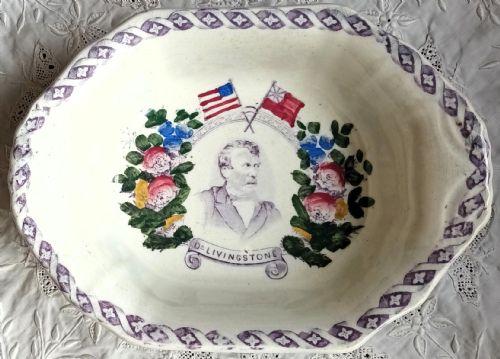
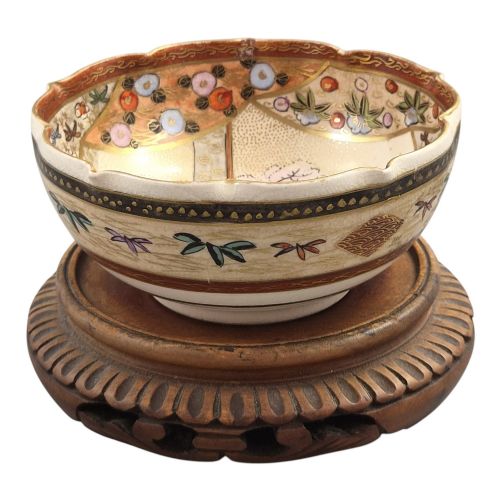
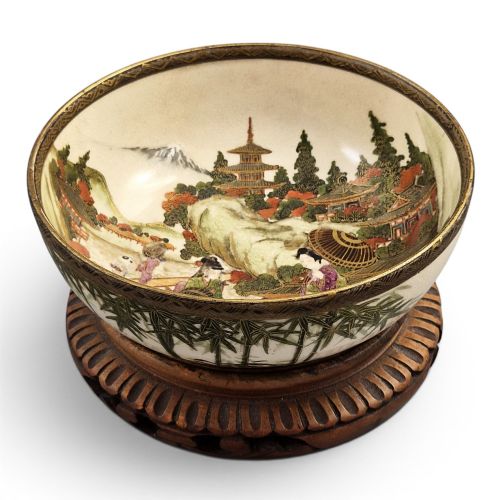
The selection here includes diverse regional forms such as Japanese Satsuma bowls, Persian lustre glazed vessels, and Scottish commemorative pottery. These objects served both functional dining purposes and decorative display roles across different centuries.
How they were made
The makers of these items utilised earthenware, ceramic, and fritware bases shaped into chargers, platters, and bowls. Surface treatment relied heavily on glaze, enamel, and occasionally gold leaf highlights to finish the pottery.
Historical production methods varied from English creamware bodies fired in the eighteenth century to intricate Persian lustre techniques and Japanese Kyoto ceramic traditions. Each method dictated the final texture and visual depth of the glaze.
The inventory spans centuries from pre-sixteenth century Persian fritware to Victorian earthenware and Japanese Meiji period ceramics.
What varies in quality
Quality in these dishes rests upon the refinement of the ceramic body and the consistency of the glaze application. Finer pieces demonstrate superior control over the kiln firing process and crisper execution of painted or lustre details.
The distinction between standard tableware and exceptional items also lies in the provenance and the clarity of any historical inscriptions or signatures. Well-preserved surfaces with minimal wear command greater attention from collectors.
Mann Co
The Cream Glazed Pottery Dish Glossary
- Creamware
- A type of fine earthenware developed in England during the eighteenth century, noted for its pale yellowish-cream glaze.
- Fritware
- A category of pottery containing crushed glass or frit in the clay body, frequently seen in historical Middle Eastern ceramics.
- Faience
- Tin-glazed earthenware produced in Europe, particularly associated with French regional traditions like Quimper.
- Charger
- A large decorative or ceremonial plate placed on a table or hung on a wall.
- Lustre glaze
- A metallic overglaze technique that imparts a reflective, iridescent sheen to the ceramic surface.
Cream Glazed Pottery Dish: Frequently Asked Questions
How do I date a cream glazed pottery dish?
Dating relies on identifying the underlying ceramic body, such as eighteenth-century creamware versus nineteenth-century earthenware, alongside any stylistic markers. Makers' marks and historical subjects also provide reliable chronological anchors.
Examine the crazing within the glaze and the manufacturing techniques visible on the underside to confirm the period of production.
Were these dishes used for daily dining?
Many items in this category, including English creamware dessert services and butter dishes, were designed for active use at the dining table. Other examples, such as large chargers or commemorative plates, served primarily for display.
Checking the interior surfaces for utensil marks often reveals whether a specific dish saw regular service or remained purely decorative.
How should I clean antique pottery dishes?
Gentle hand washing with warm water and mild soap suits most stable ceramic and earthenware pieces. Avoid harsh scrubbing, soaking, or automated dishwashers, especially on items with delicate enamel or gold leaf.
Ensure the dish dries thoroughly before returning it to display or storage to protect the historic glaze.