
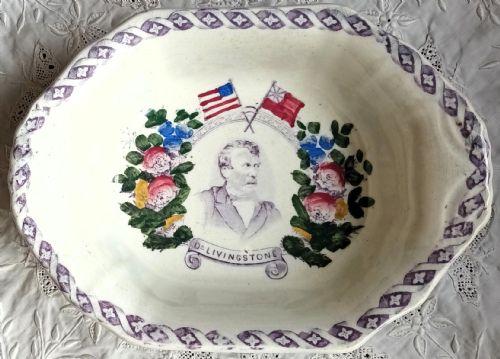


Vintage Transferware Serving Platter
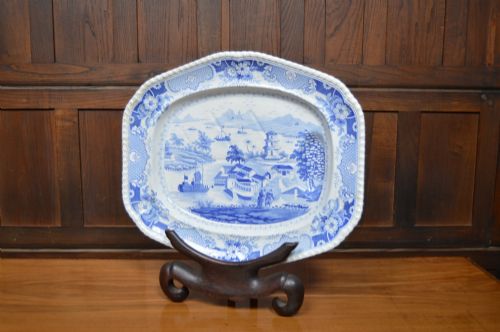
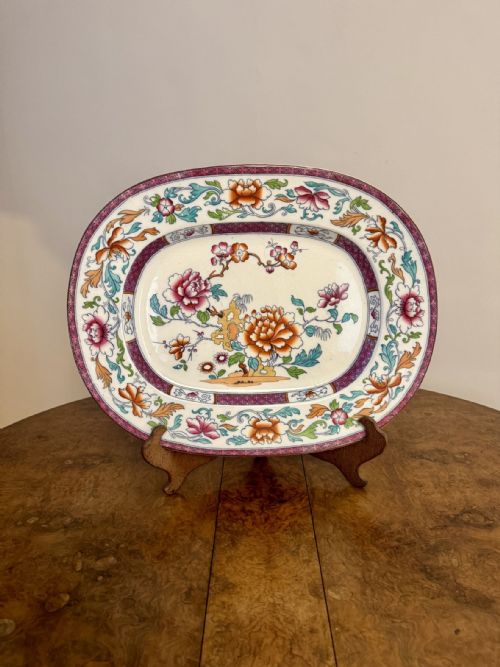
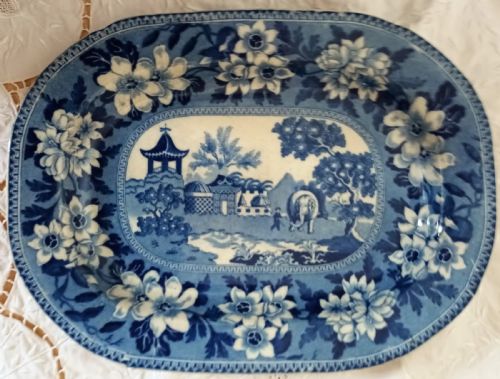
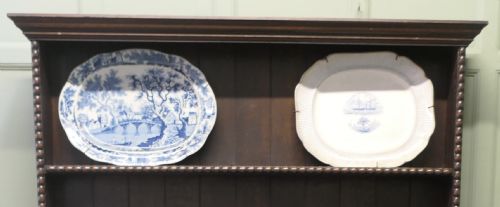
A vintage transferware serving platter brings blue and white narrative scenes to the dining table, offering robust earthenware shaped for grand feasts.
Vintage Transferware Serving Platter
When you search for a vintage transferware serving platter, you encounter large earthenware and ironstone dishes designed for presenting meat at the table. These pieces emerge primarily from the nineteenth century, spanning the Georgian, Regency, and Victorian periods.
The version you are most likely to meet on this page is a blue and white printed platter featuring named patterns like India Temple, Elephant, or Chinese Garden. Forms range from heavy meat plates and large chargers to specialised pieces like drainers and asparagus dishes.
Makers recorded in these listings include Spode, Mason, Minton, and John Rogers & Son. The serving vessels display regional British production, predominantly from Staffordshire and Scotland.
How they were made
Potters shaped earthenware, ironstone, and porcelain into heavy platters before applying printed designs using copper plates and tissue paper. This transfer printing process allowed complex scenes such as Bridge of Lucano or Tower to appear with crisp precision on the clay body.
Workers sealed the transferred patterns beneath a clear ceramic glaze, sometimes adding enamel highlights before firing the pottery in kilns. Ironstone and improved stone china provided a dense, durable body capable of supporting large joints of meat without crazing too quickly.
Listings feature nineteenth-century earthenware, ironstone, and porcelain platters created across Georgian, Regency, and Victorian periods.
What varies in quality
Quality rests in the clarity of the blue transfer print and the depth of the ceramic glaze. Crisp lines in intricate patterns like London Bridge or Indian Grasshopper indicate a sharper impression from the original copper plate.
The weight and substance of the ironstone or earthenware body dictate the durability of the platter. Superior pieces maintain a flat surface without warping from the kiln, supporting large serving trays and chargers evenly across the base.
John Rogers & Son·Mason·Spode·Minton
The Vintage Transferware Serving Platter Glossary
- Transferware
- Pottery decorated by pulling an engraved copper plate impression onto tissue paper and pressing it onto the ceramic body. This technique allowed factories to mass-produce detailed pictorial scenes efficiently.
- Ironstone
- A dense, durable type of earthenware patented in the nineteenth century. It resists chipping better than soft earthenware and forms heavy meat platters.
- Charger
- A large decorative plate or platter used traditionally for serving principal dishes at grand meals. They appear frequently in nineteenth-century blue and white ceramics.
- Drainer
- A perforated ceramic insert placed inside a meat platter to allow juices to pool beneath the joint. These pieces match the pattern of the main serving dish.
- Chinoiserie
- A European artistic style reflecting Chinese motifs and landscapes. Many nineteenth-century platters display these fanciful architectural and garden scenes in blue and white.
Vintage Transferware Serving Platter: Frequently Asked Questions
How were serving platters used?
Nineteenth-century households placed large meat platters at the centre of the dining table to present joints of beef, poultry, or game during family meals and feasts.
Servants used them alongside drainers to separate juices from the meat before carving portions for guests.
How do I clean vintage pottery?
Wash these ceramic pieces gently by hand in warm water using mild soap, avoiding harsh scrubbing brushes or automatic dishwashers.
Sudden temperature changes can crack the historic glaze, so dry the platters thoroughly with a soft cloth after washing.
Can I use these for dining?
These nineteenth-century earthenware and ironstone platters serve cold foods or dry items safely at modern gatherings.
Old ceramic glazes may contain trace materials, so many collectors prefer to use them for display or dry presentation rather than acidic hot foods.
How do I date these platters?
Examine the weight of the ceramic body, the shade of the blue transfer print, and any impressed marks on the reverse of the dish.
Early nineteenth-century pieces from the Regency and Georgian eras often feature lighter potting, whereas later Victorian ironstone is heavier and denser.