




Cream Giltwood Bench
A cream giltwood bench brings classical elegance into a room through carved timber, gilt highlights, and pale upholstery.
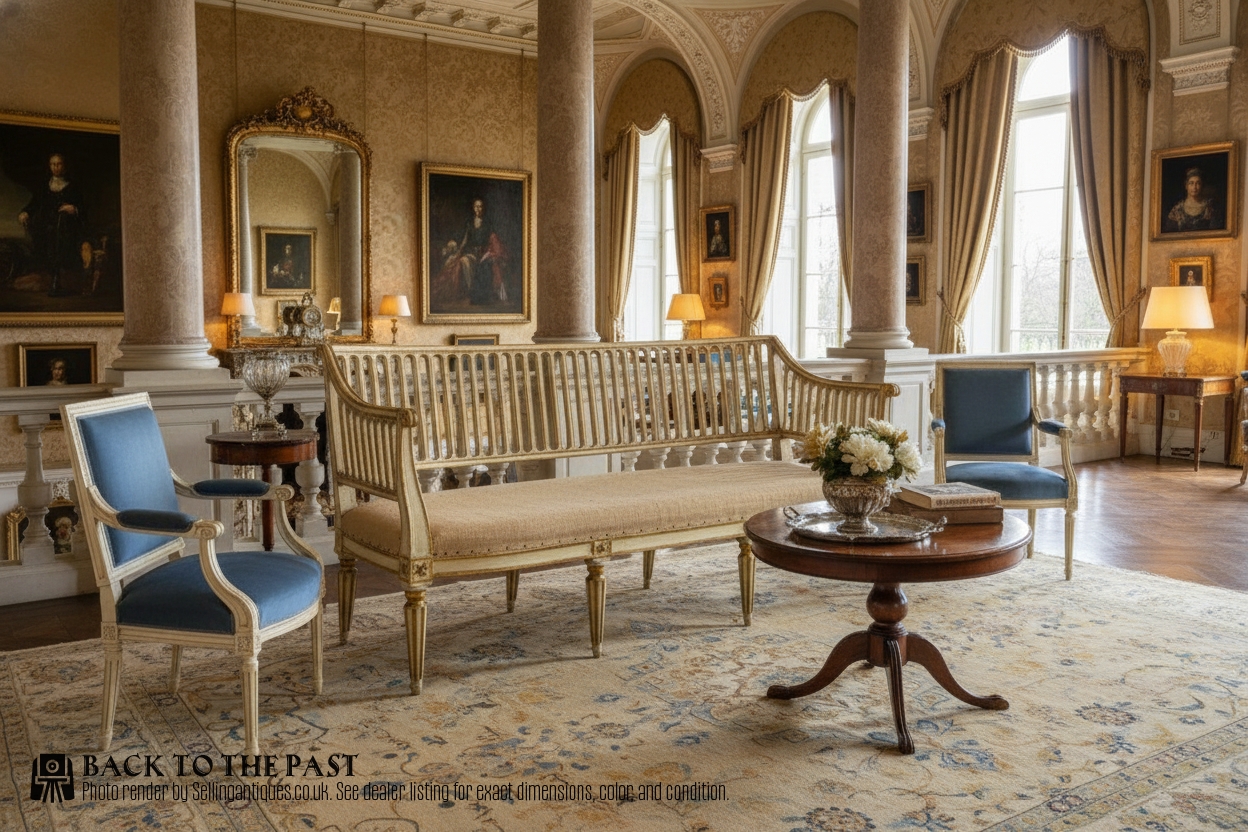
Cream Giltwood Bench
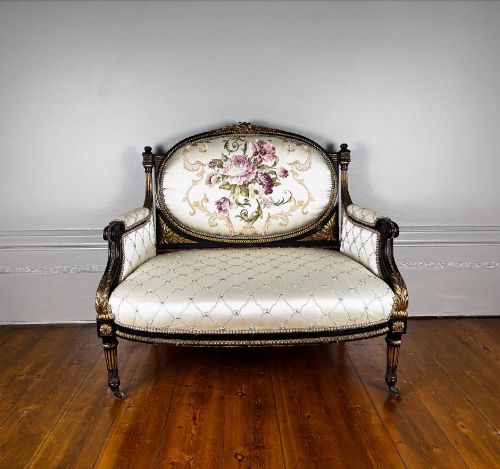
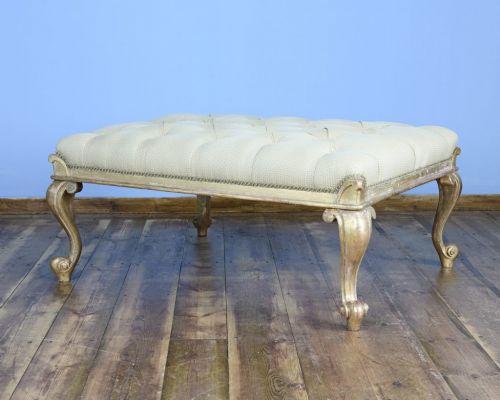
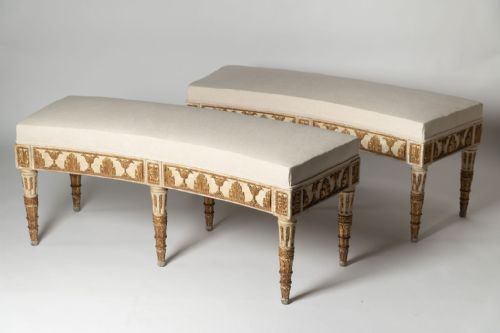
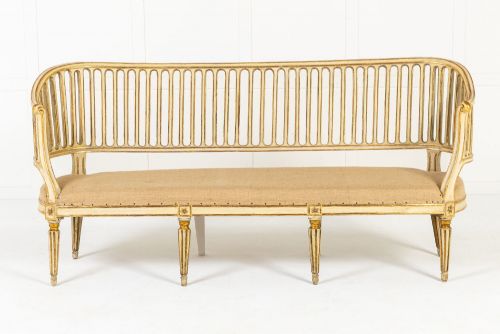
When searching for a cream giltwood bench, a buyer encounters seating designed for formal reception rooms, including settees, window seats, and long footstools. These pieces combine painted cream surfaces with gilded woodwork, reflecting grand interior design traditions.
The selections available here span multiple centuries and regional interpretations, featuring English, French, and Italian examples. Pieces range from large settees to smaller stools, often incorporating styles such as Louis XVI, Neoclassical, and Regency.
Most items on this page date from the nineteenth century, alongside eighteenth-century forms and turn-of-the-century interpretations. Buyers frequently meet painted and gilded frames paired with various fabric upholstery options.
Materials and Construction
Makers shaped these frames from solid wood, applying carved details before finishing the timber with paint and gold leaf. Giltwood and painted wood surfaces require skilled joinery to support upholstered seats over extended periods.
Textiles complete the seating, utilising linen and various decorative fabrics for upholstery. These materials sit within frames designed in distinctive historical styles like Baroque, Rococo, and Empire.
Cream Giltwood Bench Retail Price Guide 2026
Typical asking prices for cream giltwood bench among the pieces listed under this phrase on Sellingantiques today, from the lower quarter to the upper quarter. They describe what is for sale here now, not the wider market.
Listings feature nineteenth-century items predominantly, alongside eighteenth-century pieces and turn-of-the-century examples.
Markers of Quality
Superior examples demonstrate refined wood carving and precise application of gilt leaf over the painted base. The crispness of the carved ornamentation distinguishes masterwork frames from simpler production.
Structural integrity and the coherence of the period style dictate the standing of a piece. Original upholstery systems and well-preserved gilding enhance the historical value of these seats.
Miles & Edwards
The Cream Giltwood Bench Glossary
- Giltwood
- Wood decorated with gold leaf or powder applied to a prepared surface. This technique creates a luminous metallic finish that catches interior light.
- Neoclassical
- A style drawing inspiration from classical antiquity, characterised by restraint, symmetry, and straight lines. It superseded the more exuberant Rococo aesthetic.
- Settee
- A medium-sized upholstered seat with a back and arms, designed for multiple occupants. These forms often anchor formal salon arrangements.
- Curule
- An ancient chair shape featuring two curved legs that cross in an X-form. This classical silhouette appears on revival footstools.
- Baroque
- A flamboyant design era known for dramatic curves, elaborate carving, and rich ornamentation. Pieces from this tradition display dynamic visual movement.
Cream Giltwood Bench: Frequently Asked Questions
Where were these benches placed originally?
These pieces belonged in formal reception rooms, grand halls, and drawing rooms where appearance mattered most. They provided decorative seating for guests during social gatherings.
Smaller stools and window seats often sat in bedrooms or along gallery corridors. Larger settees anchored the main seating arrangements of nineteenth-century salons.
How do I identify a Louis XVI style frame?
Louis XVI pieces display straight tapering legs, often fluted, contrasting with the sweeping curves of the preceding Rococo period. Ornamentation draws heavily on classical architectural motifs.
Rectangular or oval back frames appear frequently in this tradition, paired with cream paint and restrained gilding.
Can I use these benches for daily seating?
These historical seats function well for regular use provided the underlying wood frame remains sturdy and stable. Professional upholsterers can reinforce internal webbing if required.
Placing them away from direct sunlight protects the delicate giltwood finish and preserves the integrity of the fabric upholstery.
What distinguishes Italian styles from French ones?
Italian pieces often incorporate bolder baroque carving and more dramatic sculptural elements within the giltwood framework. Regional workshops embraced expressive local interpretations of neoclassical design.
French items tend toward refined symmetry, particularly in Louis XVI and Empire variations where proportion dictates the decorative scheme.