


Cream French Sideboards
Cream french sideboards bring substantial storage and light painted finishes to dining rooms, offering practical surfaces with distinct continental character.
Cream French Sideboards
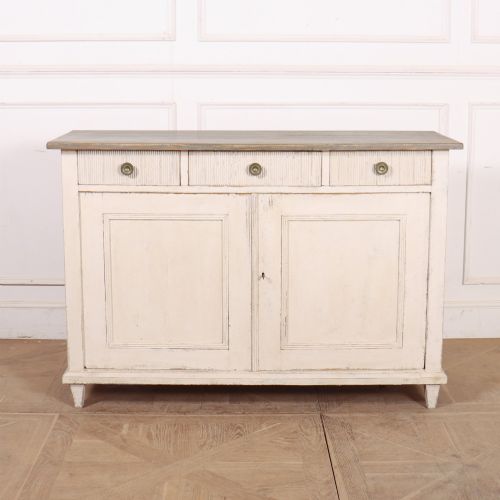
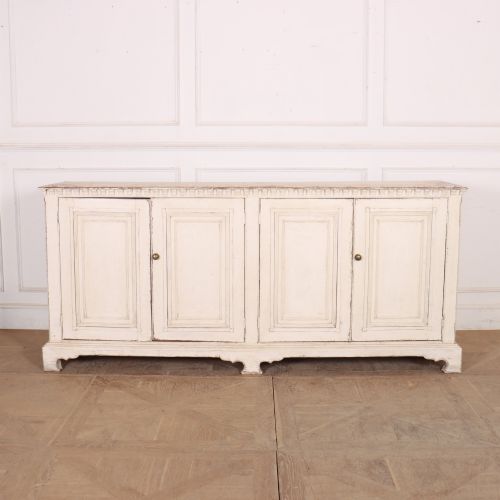
Cream french sideboards encompass large buffets, enfilades, and painted side cabinets dating from the eighteenth century to the early twentieth century. These pieces derive their regional character from French provincial, French country, and Louis XVI revival design traditions.
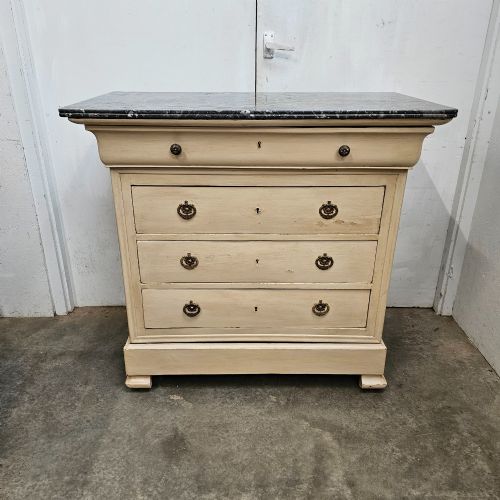
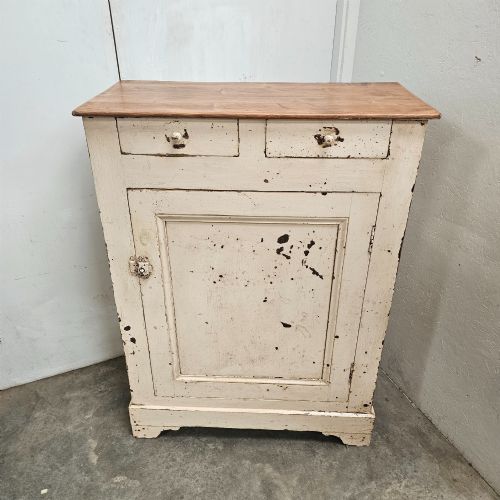
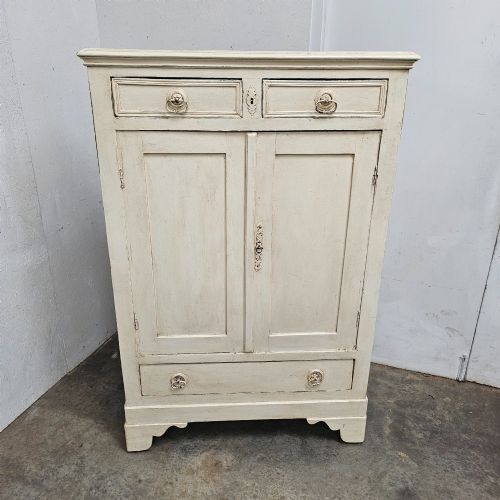
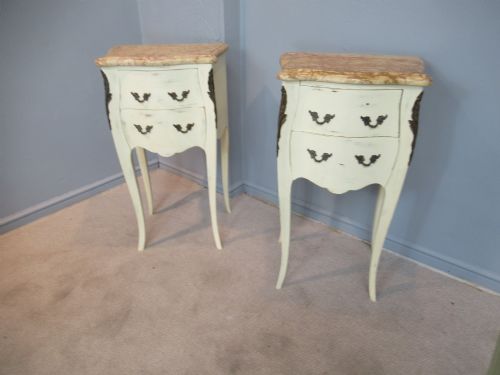
Buyers will most frequently encounter nineteenth-century painted pine pieces and eighteenth-century commodes featuring shaped fronts and pale finishes. The inventory also includes related storage forms such as linen cupboards, jam cupboards, and serpentine side cabinets.
Materials and construction methods
Cabinet makers relied primarily on solid pine and other native timbers, shaping carcasses with hand tools and traditional joinery. Surfaces received layers of paint, often in cream or off-white tones, which developed a soft patina over decades of use.
Higher-status examples incorporated heavy marble tops, particularly in neoclassical and serpentine forms, adding durable and cool working surfaces to the timber bases. Metal and brass hardware, including keyplates and drop handles, completed the construction.
Jam cupboards provide proof that French households historically needed dedicated architectural housing specifically for fruit preserves.
Assessing quality in painted storage
Quality rests upon the crispness of carved mouldings, the integrity of the timber frame, and the harmonious proportion of the piece. Eighteenth-century serpentine commodes demonstrate superior joinery through curved drawer fronts and complex wooden carcasses.
The character of the painted finish dictates visual appeal, with original or layered historic paint surfaces holding greater interest than modern commercial coats. Heavier pieces incorporating fitted marble slabs signify a more ambitious commission from the outset.
The Cream French Sideboards Glossary
- Enfilade
- A long sideboard or buffet designed for formal dining rooms, usually featuring a series of cabinet doors along the front. This form originated in grand European residences for serving large meals.
- Commode
- A low chest of drawers or cabinet originating in France, often featuring decorative painted finishes or shaped fronts. Eighteenth-century examples typically display serpentine or bowed outlines.
- Confiturier
- A small French jam cupboard used originally for preserving foodstuffs, characterised by a single door and compact proportions. These pieces are frequently constructed from painted pine.
- Serpentine
- A furniture front characterised by a wavy outline with a convex centre flanked by concave curves. This sophisticated shaping requires precise carpentry.
- Demi-lune
- A half-moon shape applied to tables and side cabinets designed to sit flush against a wall. This profile became popular during neoclassical revival periods.
Cream French Sideboards: Frequently Asked Questions
What is an enfilade?
An enfilade is a long buffet or sideboard featuring multiple cabinet doors arranged in a continuous line along the front. These pieces provide extensive storage capacity for dining rooms.
They originated in grand European houses to facilitate the service of large banquets across connected reception rooms.
How old are these sideboards?
The pieces span from the eighteenth century through the nineteenth century and into the early twentieth century. Common periods include the Victorian era and the Louis XVI revival.
Construction details and timber types help distinguish eighteenth-century provincial work from later revival pieces.
Are the paint finishes original?
Paint finishes vary significantly, ranging from worn historic surfaces to later decorative applications applied over pine or hardwood. The handling of the paint contributes heavily to the decorative appeal of continental storage furniture.
Buyers often look for soft patination that reveals the age of the underlying timber.
Where were these cabinets made?
The pieces originate primarily from France and Italy, reflecting regional provincial styles such as French country and Italian neoclassical. Workshops across these regions produced diverse storage forms tailored to local domestic needs.
Design motifs often point to specific stylistic revivals popular during the nineteenth century.