

Cream Framed Wall Painting
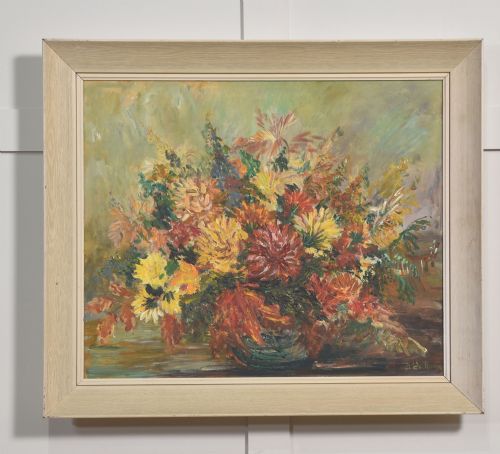
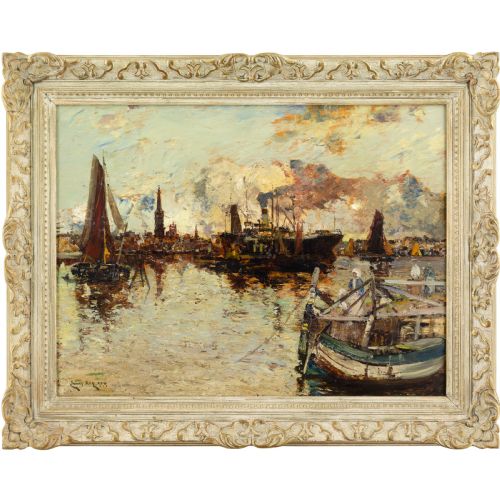
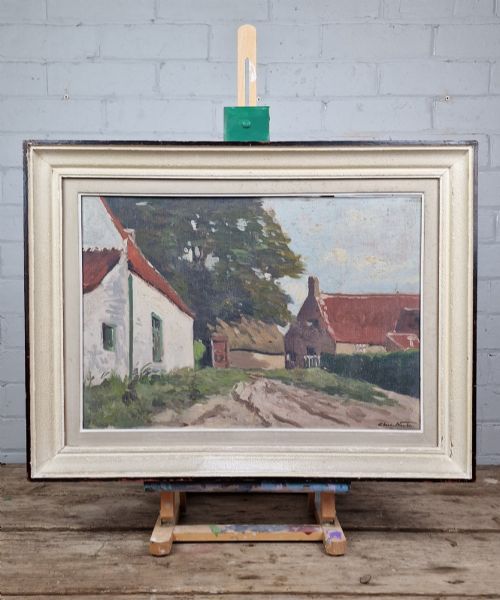
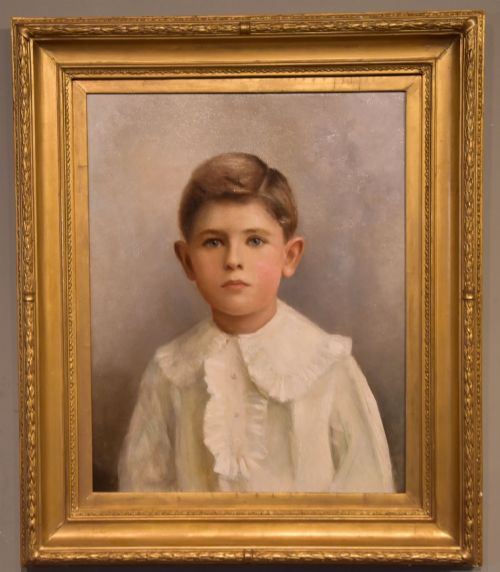
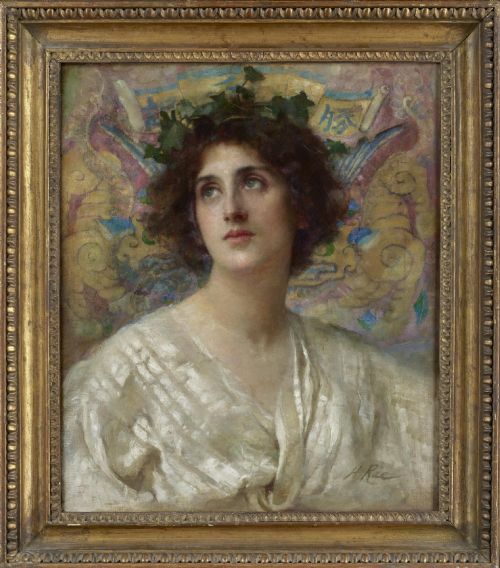
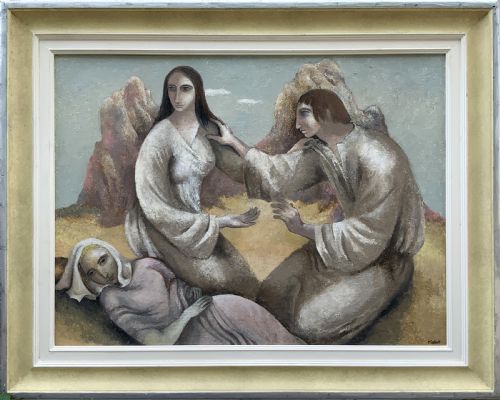
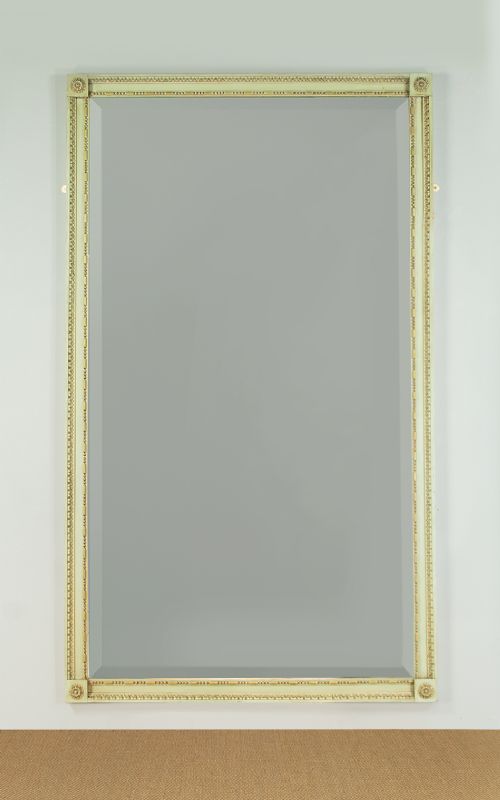
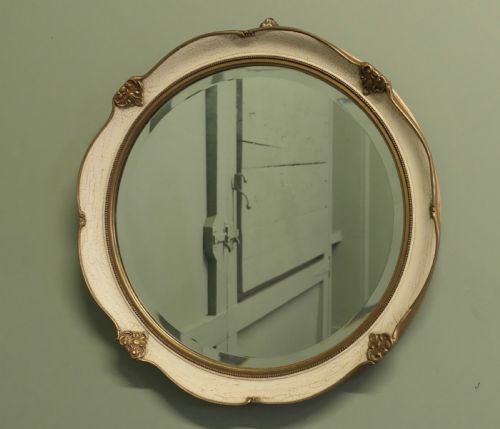
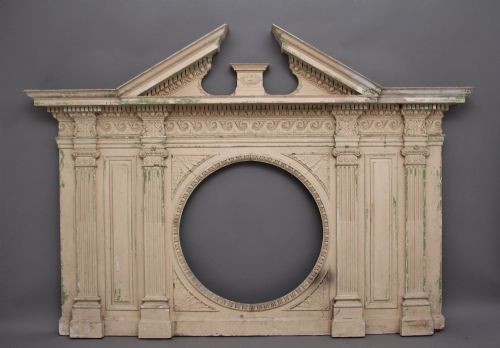
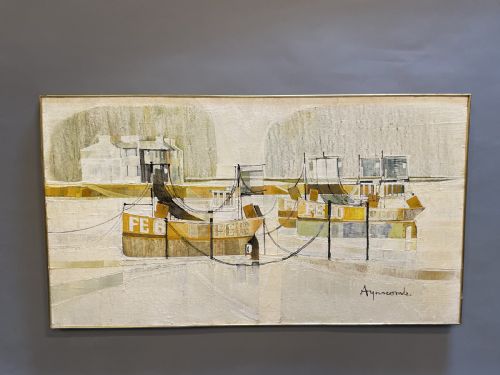
A cream framed wall painting brings together historic oil paintings, watercolours and decorated mirrors enclosed within painted surrounds.
Cream Framed Wall Painting
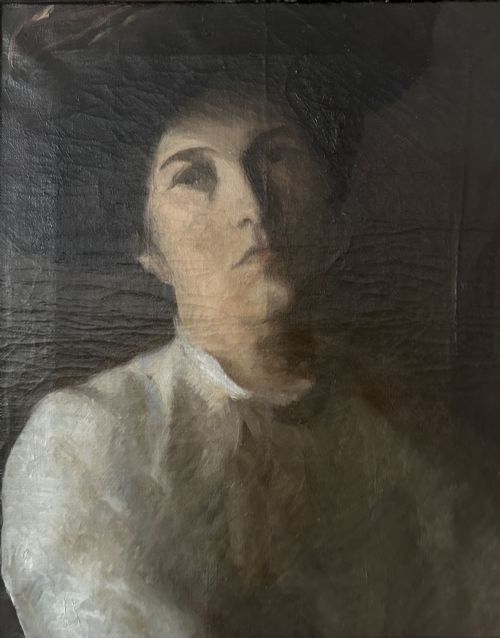
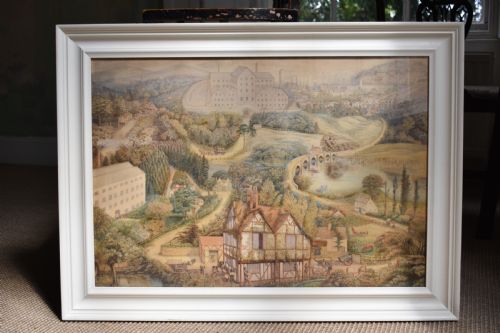
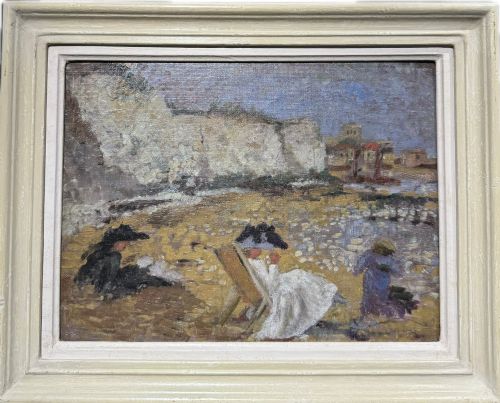
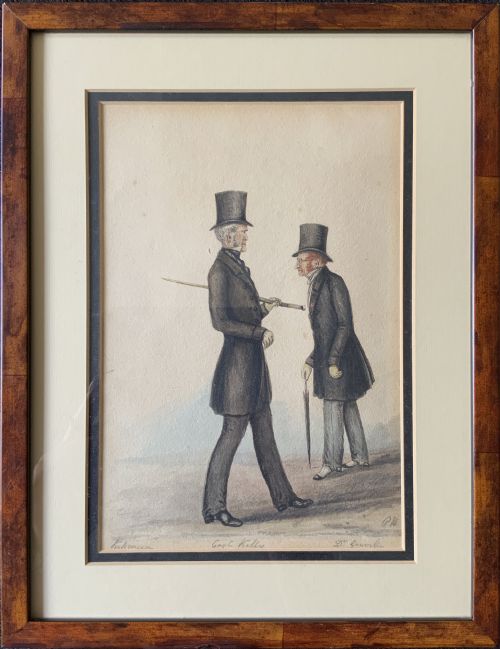
A cream framed wall painting encompasses framed artworks and integrated wall mirrors set within painted wooden or gesso surrounds. These pieces range from nineteenth-century portraits and landscapes to mid-century works, often combining oil paint, canvas, board and glass.
The selections available here lean heavily toward nineteenth-century oil paintings, watercolours, and period overmantel or trumeau mirrors featuring decorative painted finishes. Works span various artistic movements including Impressionism, Post-Impressionism, and Mid-Century Realism alongside traditional portraiture.
Buyers encounter subjects varying from quiet farmyard scenes and coastal harbours to botanical studies and animal portraits. The unifying element across these diverse formats remains the cream or painted framing enclosing the visual work.
How they were made
Makers constructed these frames using timber, gesso, and gold leaf, applying paint layers to wood surfaces that sometimes reveal underlying grain or gilt details. Canvases, wooden boards, and paper sheets serve as the primary supports for oil paints, watercolours, gouache, and pastels.
Mirrors incorporated within painted frames utilise glass plates set into architectural overmantels, pier glasses, or trumeau panels. Artisans combined traditional joinery with decorative paint finishes, gilding, and carved ornamentation to complete each piece.
Listings span periods from the Regency era through the mid-twentieth century, incorporating oil, watercolour, and pastel mediums.
What varies in quality
Quality rests upon the skill evident in the brushwork of the painting or the crispness of the framing details. Masterful handling of light in oil portraits or landscape watercolours elevates a piece above standard decorative works.
The physical depth and preservation of the painted surface dictate the standard of the frame. Original painted finishes that retain their integrity without heavy overpainting distinguish superior examples from ordinary alternatives.
James Kay RSW·Charles Houben·Henry Windsor Fry·Henrietta Rae·Christine Nesbit·Paul-Élie Gernez·William Frederick Settle·Attilio Toro·Charles F. Tunnicliffe·Claude Jousset·Helena Maguire·Jean Sobieski
The Cream Framed Wall Painting Glossary
- Trumeau
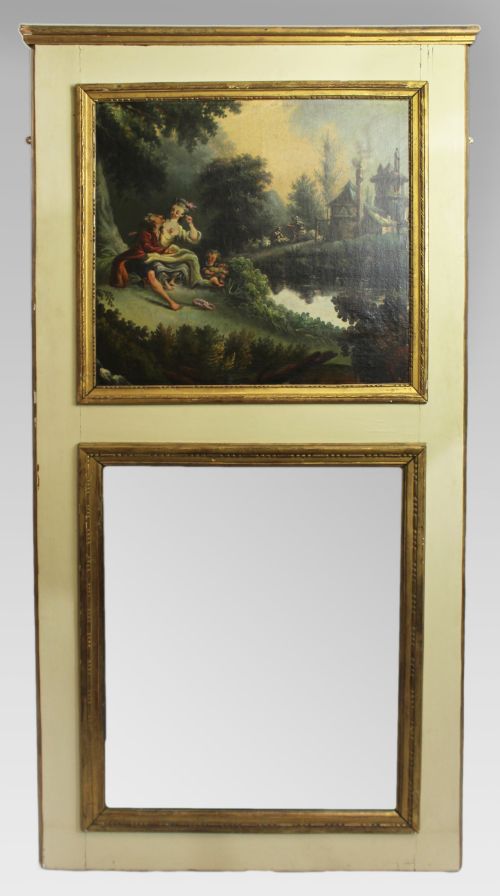
- A decorative wall mirror featuring an oil painting or panel set into the upper section of the frame. These items originate predominantly from French interiors.
- Gesso
- A plaster-like mixture applied to wood frames to create a smooth surface for subsequent painting or gilding. Artisans carved intricate details directly into this hardened material.
- Overmantel
- A large mirror or painting designed to hang directly above a fireplace mantelpiece. These architectural pieces often incorporate painted and gilt wooden frames.
- Impasto
- A technique where paint is laid onto a canvas or board in very thick layers, standing visibly above the surface. This method introduces tactile depth to a painting.
- Pier glass
- A tall mirror designed to fit on the wall space between two windows. They frequently feature hand-painted frames and decorative glass plates.
Cream Framed Wall Painting: Frequently Asked Questions
What is a trumeau mirror?
A trumeau mirror is a traditional wall hanging that combines a looking glass with an integrated painting or decorative panel above it. These pieces were designed to occupy specific wall panels in period rooms.
They frequently feature pastoral scenes or portraits enclosed within painted or gilt wooden frames, originating largely from nineteenth-century French interiors.
How do I care for an oil painting?
Oil paintings require stable indoor environments away from direct sunlight and extreme temperature fluctuations to protect the canvas and paint layers. Dusting should be undertaken gently with a soft, dry brush.
Avoid using water or liquid cleaning agents on the painted surface or the surrounding cream frame. Professional conservators should handle any structural repairs or deep cleaning.
Are these frames original?
Many pieces retain their original painted or gilt wooden frames from the period of creation, showing appropriate signs of age. Over time, some frames have undergone professional conservation or periodic re-painting.
Examining the construction behind the wooden backing helps determine whether the artwork and its surrounding frame have remained together since their origin.
Where were these pieces made?
The collection includes works originating from British, French, Belgian, and Italian workshops and studios. Artisans and painters across Europe produced these framed artworks and mirrors during the nineteenth and twentieth centuries.
Specific regional styles are visible, such as French trumeau mirrors or British school watercolours, reflecting local craftsmanship and artistic traditions.