
Cream Framed Painting
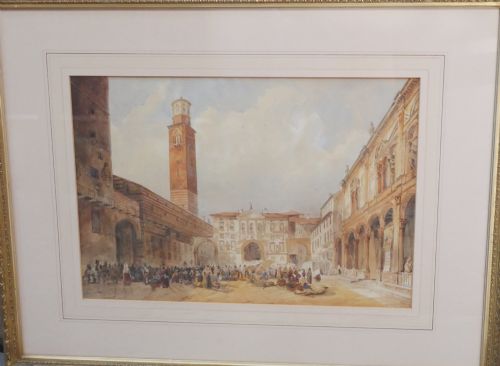
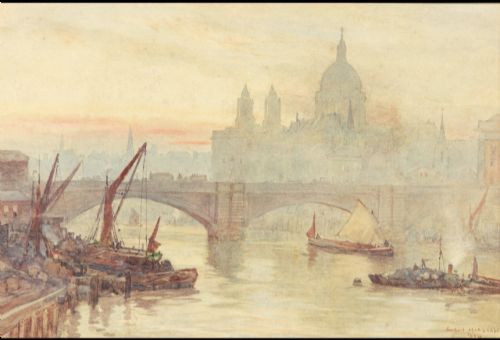
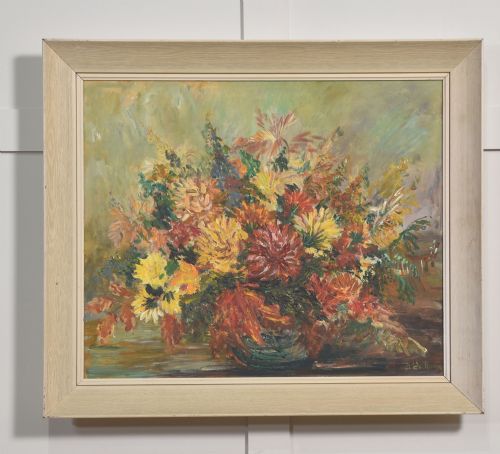
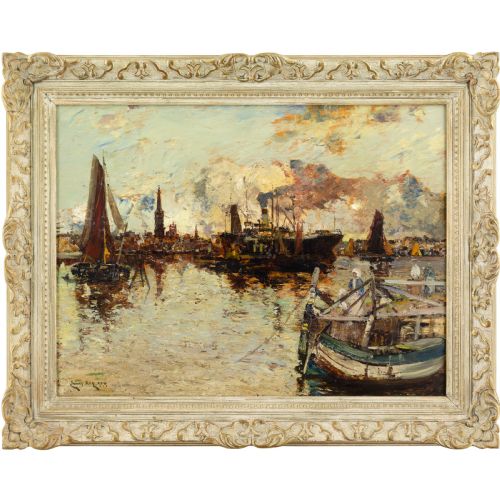
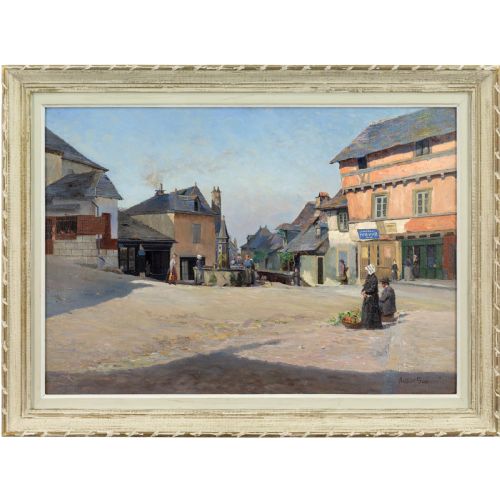
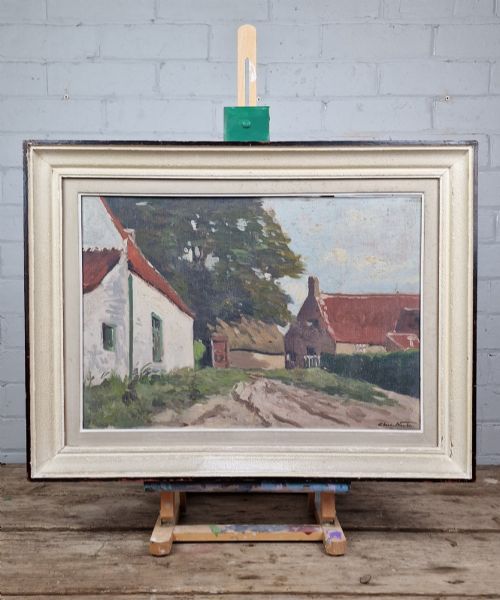
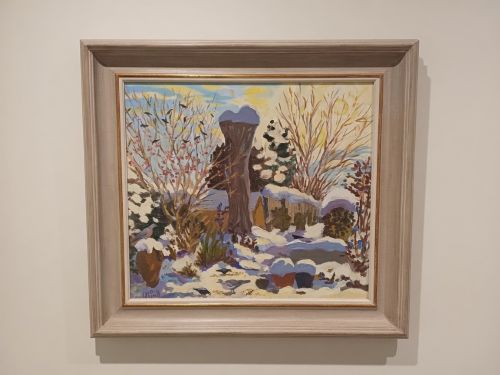
When you search for a cream framed painting, you are looking at oil and watercolour works housed in period wooden surrounds finished with gesso or paint.
Cream Framed Painting
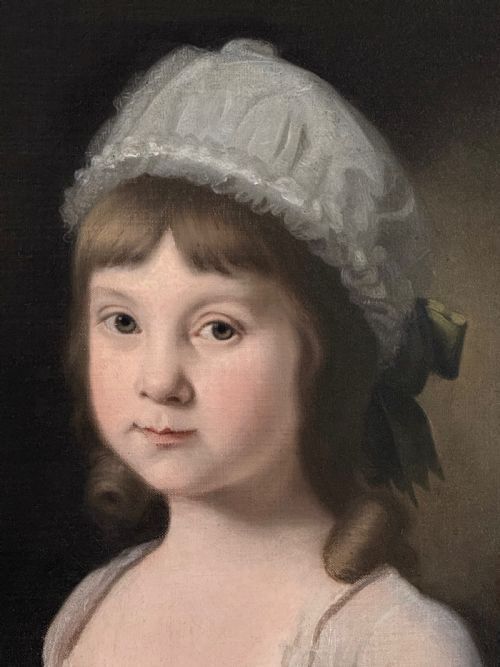
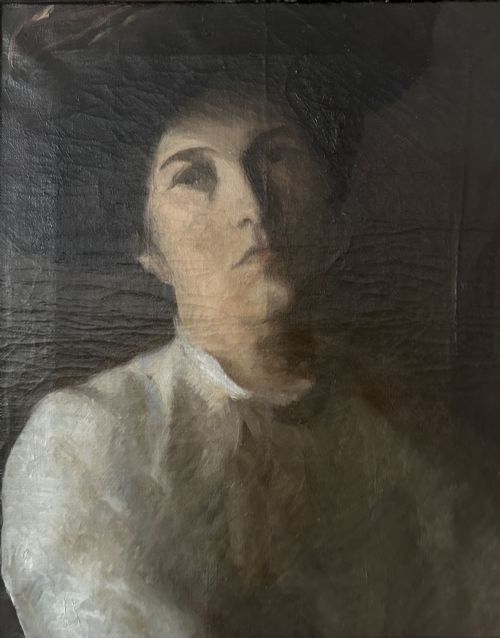
A cream framed painting brings together historical fine art works and decorative wall pieces enclosed in light or neutral painted surrounds. The selection spans portraits, still lifes, and landscapes executed across the eighteenth, nineteenth, and twentieth centuries.
Most examples you will encounter pair oil paint or watercolour on canvas, paper, or board with wood and gesso frames. These surrounds complement the tonal qualities of the imagery within, ranging from simple mouldings to ornate decorative borders.
Originating from British, French, and broader European schools, these works combine the distinct hand of period artists with complementary framing traditions. They function as both historical records and interior decorative focal points.
How they were made
Makers built the support structures using traditional timber, stretching canvas or securing paper and board panels before applying oil paint, watercolour, or gouache. Pigments were worked by hand, capturing the varied styles of portraiture, landscape, and still life production.
Frames were constructed from wood and finished with layers of gesso and paint to achieve the characteristic cream surface. Artisans carved or moulded decorative details onto the timber surrounds before applying the final light-toned coatings.
Listings feature works spanning the eighteenth, nineteenth, and twentieth centuries, executed in oil paint, watercolour, and gouache on wood, canvas, and paper.
What varies in quality
The distinction between standard and superior pieces rests in the execution of the brushwork and the structural integrity of the frame. Skilled handling of oil paint or watercolour yields greater depth and clarity in the subject matter.
The relationship between the artwork and its cream painted frame determines visual cohesion. Original framing that complements the period and scale of the painting commands greater interest than later, mismatched replacements.
Joshua Reynolds·James Kay·Arthur Gué·Charles Houben·Lucy Pratt·Henry Windsor Fry·Henrietta Rae·Christine Nesbit·Paul Élie Gernez·William Thomas Wood·R W Winfield·Oswald Garside·Cornelius Pearson·Henri Vincent Anglade·Alice Anne Renshaw
The Cream Framed Painting Glossary
- Gesso
- A plaster-like mixture applied to wood frames to create a smooth surface for painting or gilding. This material forms the base layer beneath the cream paint finish.
- Oil paint
- A slow-drying medium consisting of pigments suspended in a drying oil, typically linseed. It allows for rich colour blending and textured impasto applications.
- Watercolour
- A paint method where coloured pigments are suspended in a water-soluble vehicle, commonly applied to paper. It produces translucent washes and delicate tonal effects.
- Overmantle
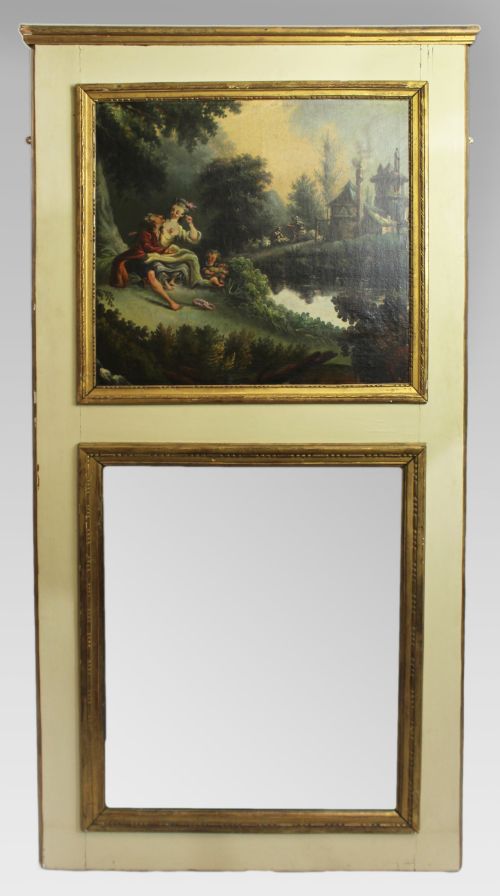
- A large decorative mirror or painting designed to be hung specifically above a fireplace mantel. These pieces often feature painted wooden frames suited to period interiors.
Cream Framed Painting: Frequently Asked Questions
Are the frames original to the paintings?
Many works retain their period surrounds, while others have been paired with complementary painted frames over time. Examining the joinery and wear helps indicate whether the pairing is contemporary to the artwork.
Matching a painting to a frame requires attention to scale, period style, and the condition of the gesso or wood underneath the cream finish.
How do I care for an antique painted frame?
Keep these pieces away from direct sunlight and fluctuating humidity to prevent the underlying wood and gesso from cracking. Dust gently with a dry, soft cloth without using liquid cleaners.
Protecting the painted surface ensures the delicate tones of the cream finish remain stable over decades of display.
How can I tell the period of the painting?
Dating relies on stylistic clues within the artwork, the materials of the support, and the construction methods of the frame. Clothing styles in portraits and techniques in landscape painting offer clear chronological markers.
Consulting the specific medium, such as oil on board or watercolour on paper, helps narrow down the era of production alongside the characteristics of the timber frame.