


Original Edwardian Artwork
Original edwardian artwork captures the refined spirit and delicate brushwork of the early twentieth century through authentic period paintings and drawings.
Original Edwardian Artwork
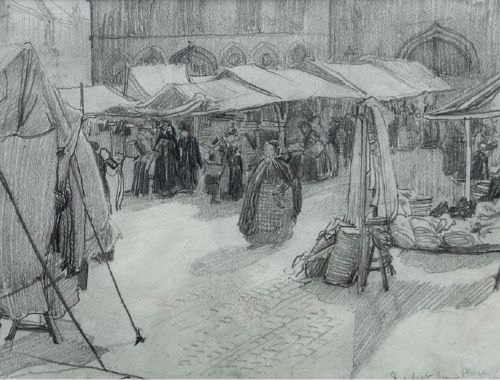
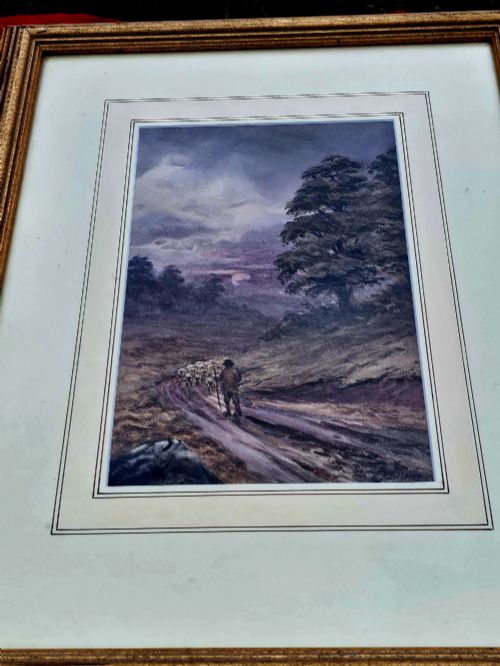
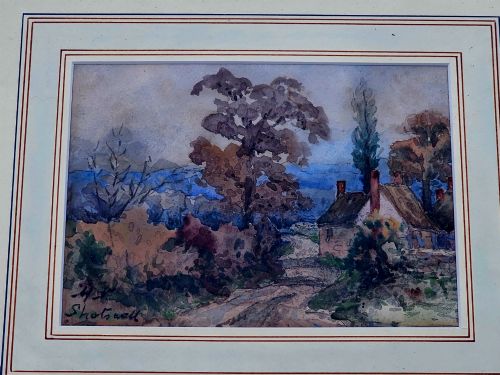
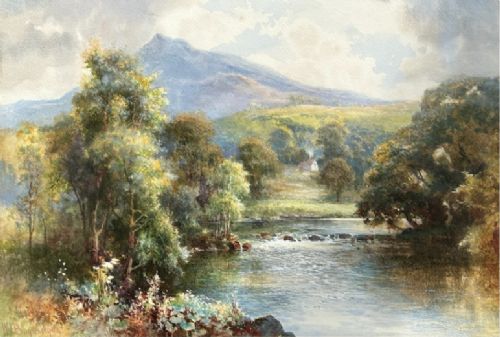
Original edwardian artwork encompasses a diverse range of creative output spanning the late nineteenth and early twentieth centuries, featuring British landscapes, rural scenes, and portraiture. Buyers searching for these pieces encounter traditional mediums that reflect the aesthetic movements of the era, including British Impressionism and Tonalism.
How They Were Made
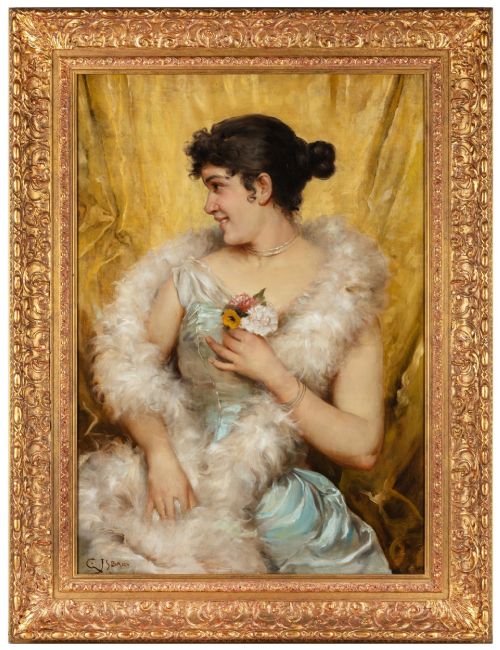
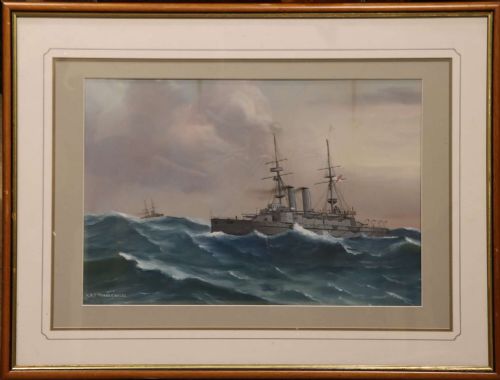
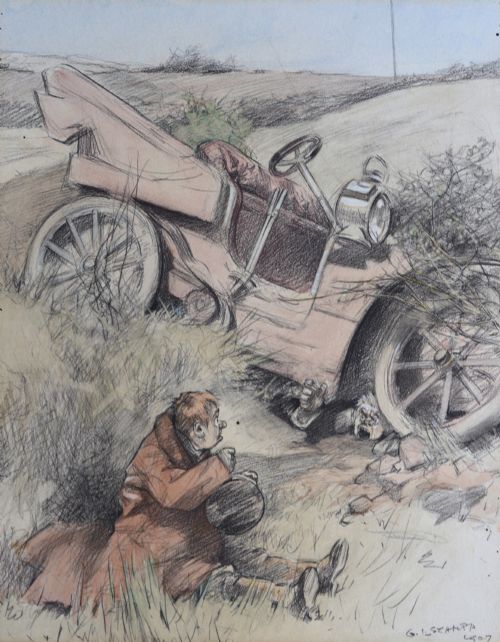
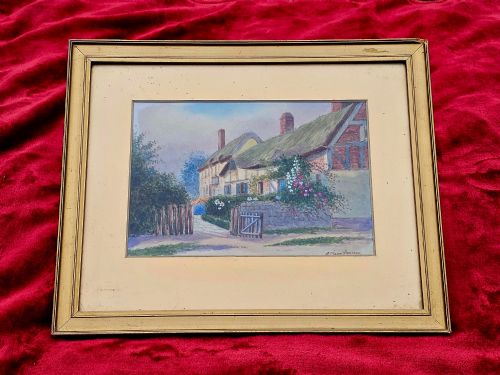
Artists of this period utilised traditional techniques on paper, canvas, wood panels, and vellum, applying watercolour, oil paint, charcoal, and ink to build up rich compositions. Many works rely on precise pencil underdrawings and layered washes or thick impasto to capture light and texture.
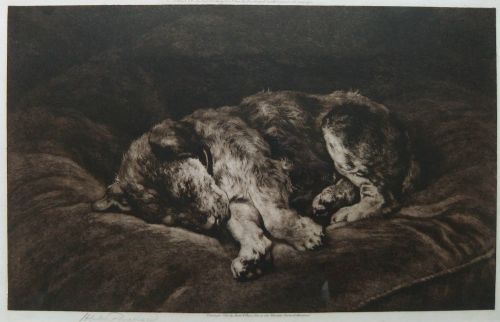
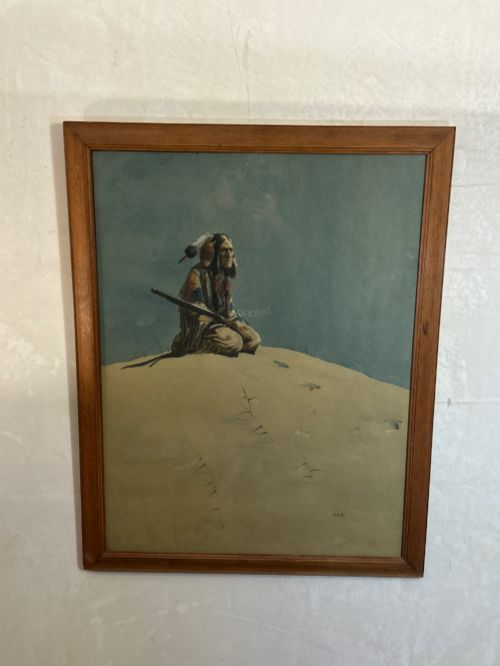
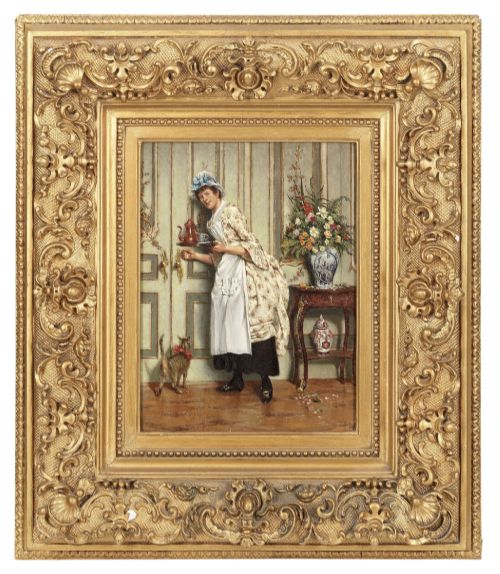
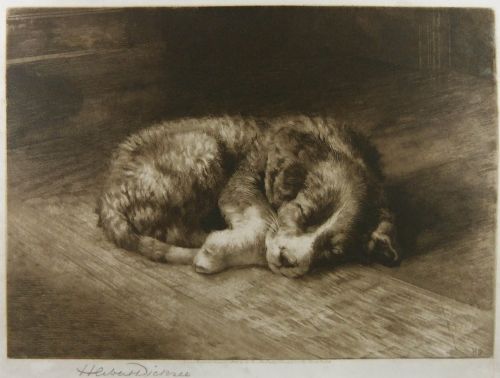
Framing frequently involved substantial wood mouldings and giltwood surrounds that complemented the visual weight of the paintings. Etchings were meticulously pressed onto paper or vellum, often as signed artist proofs in limited editions.
Listings feature mediums spanning delicate watercolours on paper to large oil paintings on canvas and panel.
What Varies in Quality
Quality in these pieces is dictated by the surety of the draughtsmanship, the atmospheric depth of the composition, and the condition of the original surface materials. Superior works demonstrate a confident handling of light and shadow, particularly in landscape and tonalist examples.
The distinction between standard decorative pieces and finer works often rests upon the hand of the artist, with signed works by known practitioners exhibiting greater refinement in brushwork and subject execution.
George Lorain Stampa·Henry Percy Huggill·Herbert Dicksee·William H Myers·Thomas Ellison·John Hassall·A Marie Parsons·EJ Letheren·Stephen Samuel Lewin·William Joseph Boyes·Henry Silkstone Hopwood·G J S Bary·William Lionel Wyllie·John Smith Atherton·Hector Caffieri·Ernest Arthur Rowe·Henry Windsor Fry·John Hodgson Lobley·George Oyston·Sir Alfred East·Frederick James Kerr·Edgar Hunt·Harold Knight·Maud Raphael Jones
The Original Edwardian Artwork Glossary
- Watercolour
- A painting method in which the paints are made of pigments suspended in a water-based solution. It is typically applied to paper to achieve translucent, luminous effects.
- Etching
- A printmaking technique where lines are incised into a metal plate with acid before ink is applied and transferred to paper or vellum.
- Tonalism
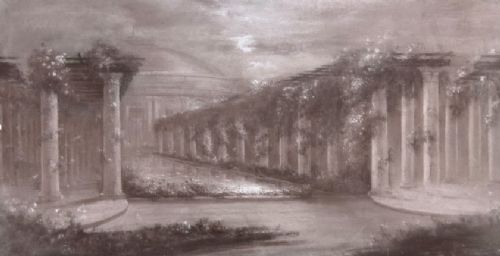
- An artistic style that emerged around the turn of the twentieth century, focusing on atmospheric moods and shadow rather than crisp linear details.
- Impasto
- The process of laying paint thickly on a canvas so that the brush or palette knife strokes stand visibly proud of the surface.
- Giltwood
- Wood that has been treated with a thin layer of gold leaf or gilt paint, commonly found on traditional picture frames.
Original Edwardian Artwork: Frequently Asked Questions
What defines original edwardian artwork?
These pieces comprise authentic paintings, drawings, and etchings produced during the early twentieth century and the preceding Victorian transition years. They reflect the prevalent aesthetic movements and domestic tastes of British society at the time.
Subjects range from pastoral landscapes and coastal scenes to intimate domestic interiors and detailed animal studies. Each item represents the direct hand of an artist working in that specific historical era.
How do I identify the period of a painting?
Dating relies on stylistic clues, framing materials, artist signatures, and inscriptions recorded on the reverse of the canvas or paper. Many works carry contemporary dates or stylistic markers associated with specific regional schools.
Examining the backing boards, paper types, and stretcher frames often provides additional physical evidence of age. Comparative study with documented works by known painters from the same decades helps confirm the timeline.
Where were these watercolours and oils displayed?
Original artworks from this era were primarily created for domestic display in middle and upper-class British homes, hanging in parlours, drawing rooms, and studies. They were also submitted to regional exhibitions and annual gallery shows.
Contemporary framing reflects this domestic purpose, utilising substantial wood and gilt surrounds designed to complement interior decor. Many pieces retain traces of their original exhibition history or framing labels on the reverse.
How should I care for vintage paper works?
Works on paper require protection from direct sunlight and excessive humidity to prevent fading and foxing of the delicate surface materials. Maintaining stable environmental conditions in your home preserves the integrity of the pigments.
Displaying pieces away from direct heat sources and using conservation-grade framing materials ensures the longevity of both watercolour and charcoal pieces. Regular gentle dusting of the exterior frame keeps the display clean without risking the artwork.