



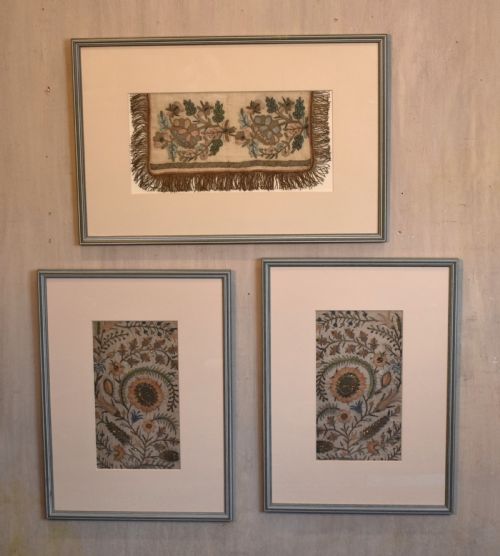


Cream Framed Botanical Art
Cream framed botanical art gathers nature studies and floral specimens housed within pale timber and moulded surrounds.
Cream Framed Botanical Art
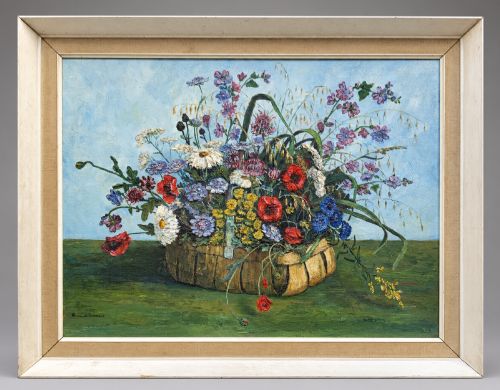
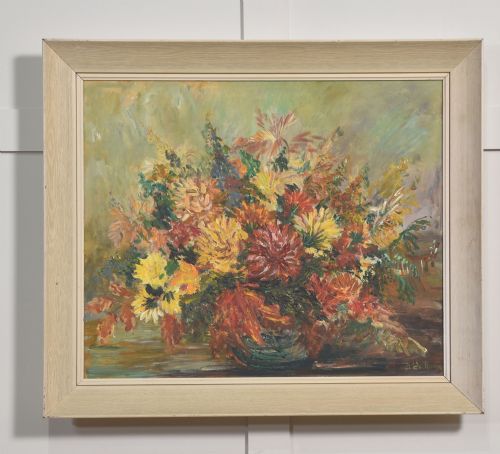
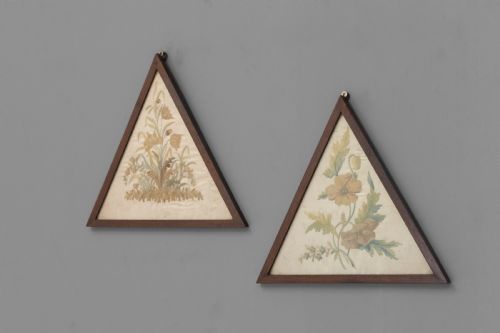
When searching for cream framed botanical art, buyers encounter a diverse selection of plant and floral works spanning several centuries. The inventory comprises hand-coloured engravings, delicate watercolours, needlework panels, and oil paintings housed in pale or neutral frames.
The objects originate from varied periods, stretching from the eighteenth century through to the mid-twentieth century. Pieces such as nineteenth-century botanical engravings by John Curtis or hand-coloured plates after Georg Wolfgang Knorr represent the core of this selection.
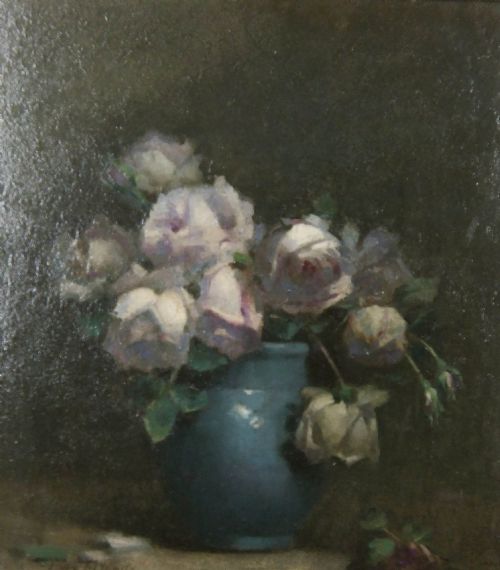
Buyers also meet French oil paintings, Chinese embroideries, and British watercolours. These diverse works share a common visual focus on flora and fauna, presented within light-toned wooden or ornate period surrounds.
Materials and Technique
The works rely upon traditional substrates such as paper, canvas, silk, and panel. Artisans applied oil paint, watercolour, gouache, and ink, frequently supplemented by hand-colouring on engraved plates.
Needlework pieces utilise fine thread on fabric to render floral and avian subjects. Framing materials predominantly consist of wood and glass, preserving fragile paper and textile surfaces over generations.
Listings feature works executed in oil paint, watercolour, ink, silk, and paper across the eighteenth, nineteenth, and twentieth centuries.
Assessing Quality
Quality rests upon the precision of the botanical rendering and the fidelity of the medium. Detailed hand-coloured copperplate engravings by known naturalists demonstrate high draughtsmanship compared to standard decorative prints.
The preservation of the underlying paper, silk, or canvas dictates the desirability of an artwork. Original period frames that complement the age and palette of the piece elevate the overall integrity of the object.
D. L. Williams·William Thomas Wood·Alice Anne Renshaw·Pancrace Bessa·Margaret Laing·John Curtis·Georg Wolfgang Knorr·Owen Bowen·George Dionysius Ehret
The Cream Framed Botanical Art Glossary
- Engraving
- A printmaking technique where an artist cuts an image into a metal plate with a sharp tool. Impressions are then transferred onto paper and frequently hand-coloured.
- Gouache
- An opaque water-based paint that includes a white pigment to create a heavier layer of colour. It appears alongside watercolour in nineteenth-century floral studies.
- Needlework
- Decorative sewing executed with a needle and thread upon a textile ground. Early examples depict floral sprays and garden birds.
- Botanical specimen
- A scientific or artistic record of a plant species, detailing leaves, stems, and blossoms. These studies balance accurate observation with decorative appeal.
Cream Framed Botanical Art: Frequently Asked Questions
What is cream framed botanical art?
Cream framed botanical art encompasses floral paintings, engravings, needleworks, and pressings presented within pale wooden or painted surrounds. These works range from eighteenth-century hand-coloured plates to mid-century oil paintings.
The category unites diverse mediums under a shared natural history theme and neutral framing aesthetic.
How should I care for antique botanical prints?
Paper and textile works require protection from direct sunlight to prevent fading of watercolours, inks, and hand-coloured pigments. Maintaining stable indoor humidity levels safeguards both the artwork and its wooden frame.
Displaying pieces away from damp walls ensures the paper and silk elements remain undamaged over time.
Are these botanical artworks original period pieces?
The selection includes original watercolours, oil paintings, and period engravings produced across the eighteenth, nineteenth, and twentieth centuries. Each listing notes the specific era or approximate date of creation.
Engravings often derive from contemporary botanical publications and flora folios of their respective periods.
What subjects appear in these artworks?
Subjects focus primarily on flowers, garden plants, roses, orchards, and peach blossoms. Several pieces also incorporate insects, garden birds, and mandarin ducks alongside botanical specimens.
This blend of flora and fauna reflects the scientific and decorative interests of historical naturalists.