





Cream Floral Ceramic Urns
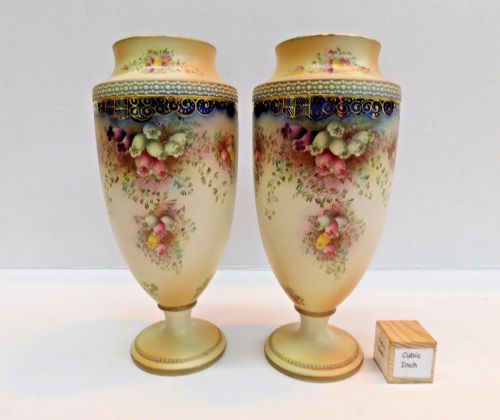
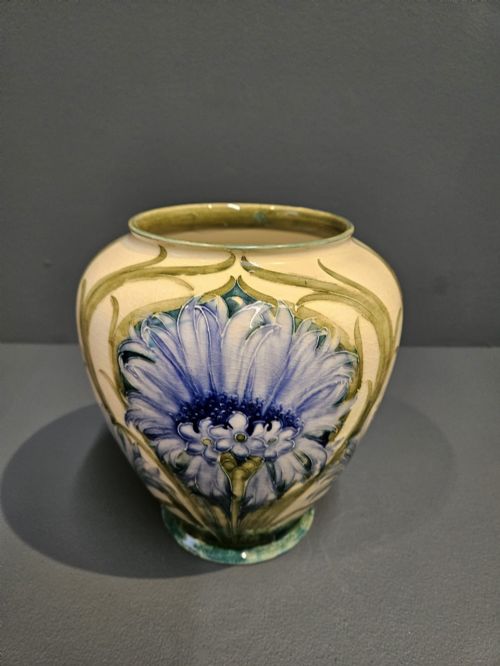
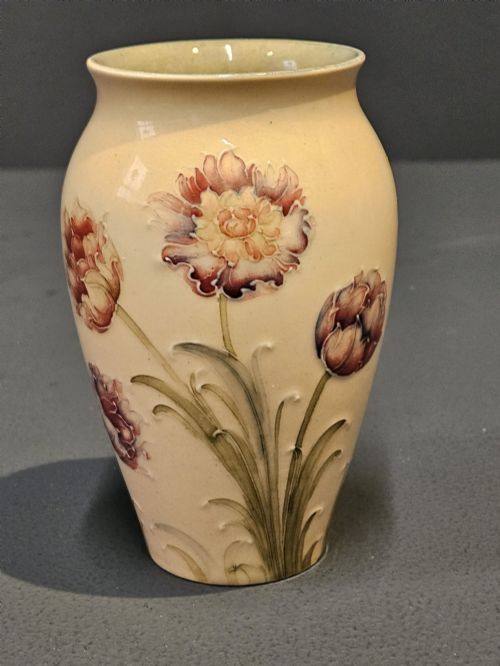
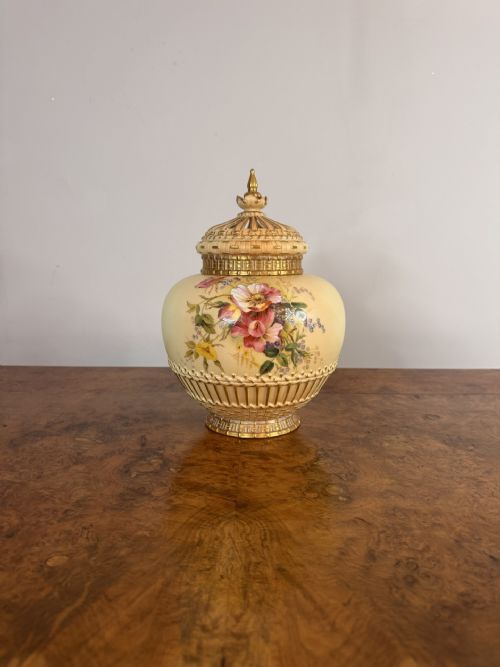
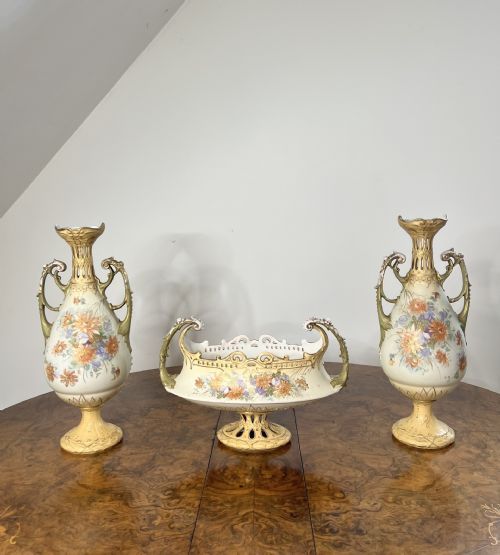
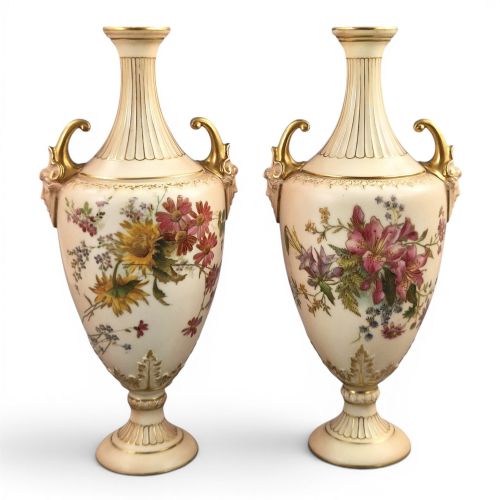
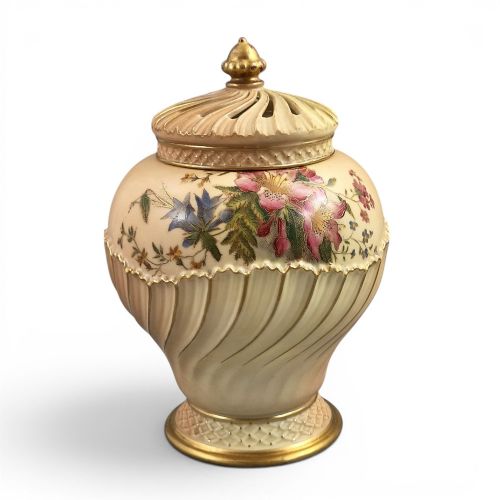
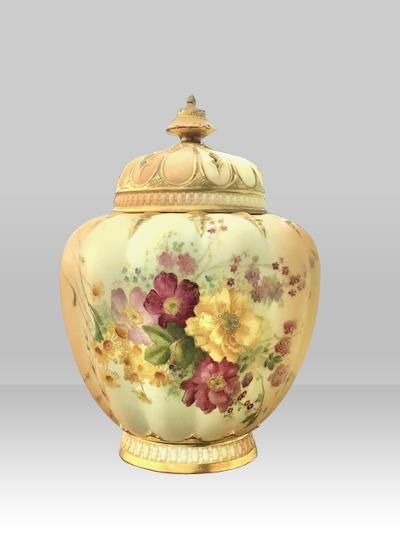
Cream floral ceramic urns bring delicate hand-painted botanical detail and soft pale tones into a room.
Cream Floral Ceramic Urns
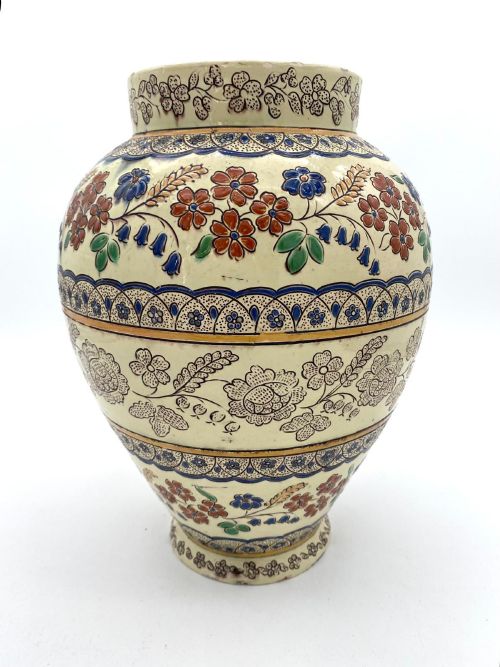
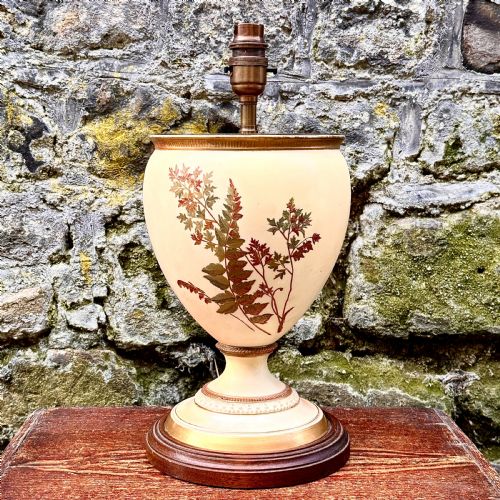
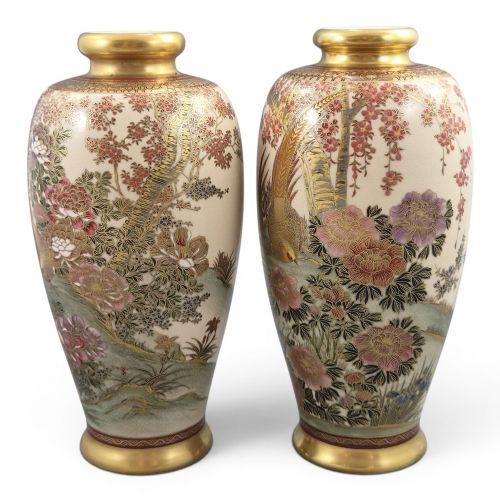
Cream floral ceramic urns span diverse origins from nineteenth century English potteries to Japanese Meiji period workshops, encompassing vessels shaped as vases, pot-pourri jars, and jardinieres. Collectors encounter notable British porcelain and earthenware alongside fine Satsuma ceramics featuring intricate floral decoration.
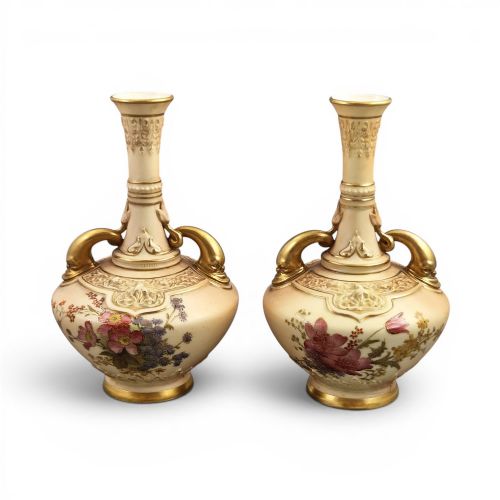
The selection ranges from blush ivory table pieces by English manufacturers to exhibition quality Japanese earthenware. Forms vary from monumental centrepieces and pedestal ewers down to miniature garlanded vessels.
Distinctions in quality
Quality rests in the precision of the hand-painting, particularly the nuance of floral motifs and the clarity of the underlying glaze. Superior pieces demonstrate crisp moulding in relief elements such as handles and bases.
Signatures by recognised artists or distinguished potteries elevate a piece, alongside documented exhibition provenance. The crispness of gilding and the balance of the overall form separate standard production items from exhibition quality works.
Cream Floral Ceramic Urns Retail Price Guide 2026
Typical asking prices for cream floral ceramic urns among the pieces listed under this phrase on Sellingantiques today, from the lower quarter to the upper quarter. They describe what is for sale here now, not the wider market.
Listings feature numerous works from the Meiji period alongside Edwardian and Victorian British porcelain.
Royal Worcester·Maruni Kobe·Royal Vienna·Doulton Burslem·Ernst Wahliss·Kinkozan·Hadley and Sons
The Cream Floral Ceramic Urns Glossary
- Blush ivory
- A soft cream-coloured ceramic ground developed by English potteries to mimic unglazed ivory, frequently decorated with pastel florals and gilding.
- Satsuma
- Japanese earthenware originating from Satsuma province, typically characterised by a crackle-glaze cream body decorated with polychrome enamels and gold.
- Garniture
- A set of matching ceramic vases or urns designed to sit together on a mantelpiece or cabinet, usually comprising a central vessel and flanking pairs.
- Ewer
- A large jug with a wide spout and shaped handle, often produced as a decorative ornamental urn rather than for practical use.
- Jardinere
- An ornamental ceramic pot or bowl designed to hold plants or floral arrangements, frequently found in matching pairs.
Cream Floral Ceramic Urns: Frequently Asked Questions
How do I date an antique cream floral ceramic urn?
Dating relies on maker marks, registration numbers, and stylistic cues such as Art Nouveau curves or Meiji period motifs. Base stamps and impressed ciphers often pinpoint the exact year of production.
Examining the application of glaze and the style of hand-painted florals also helps narrow down whether a piece originates from the nineteenth or early twentieth century.
What is blush ivory porcelain?
Blush ivory is a specialised ceramic body introduced by English manufacturers to create a warm, matte cream surface resembling elephant ivory. It provides a subtle backdrop for delicate floral painting.
Potteries combined this pale ground with raised gilding to highlight botanical designs and handle details on vases and pot-pourri jars.
How were these urns used originally?
These vessels served primarily as interior decoration on mantelpieces, sideboards, and pedestals in period drawing rooms. Many forms were purely ornamental, while others held flowers or pot-pourri.
Large garniture sets and centrepieces anchored formal interior displays, often accompanied by matching side vases.
How do I care for antique ceramic urns?
Display these pieces away from direct sunlight to preserve the stability of hand-painted enamels and delicate gilding. Dust gently with a dry, soft brush rather than using liquids.
Avoid placing them near heat sources or in areas subject to rapid temperature changes, which can stress antique earthenware and glazes.