

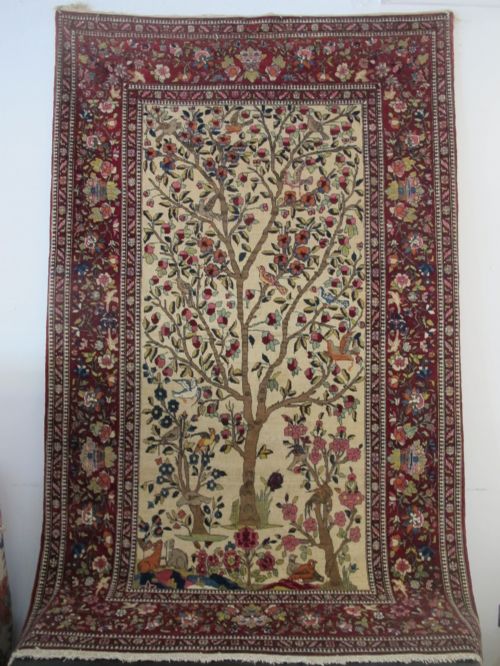


Cream Floral Area Rug
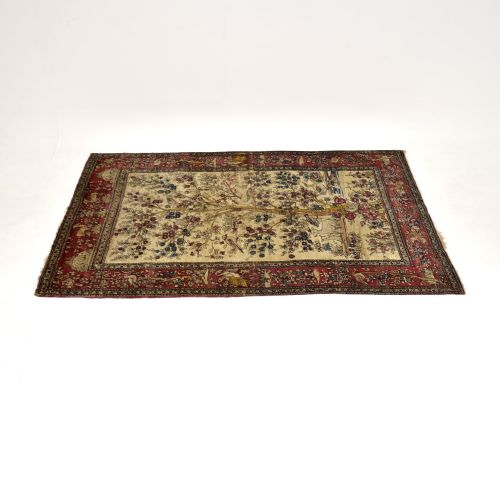
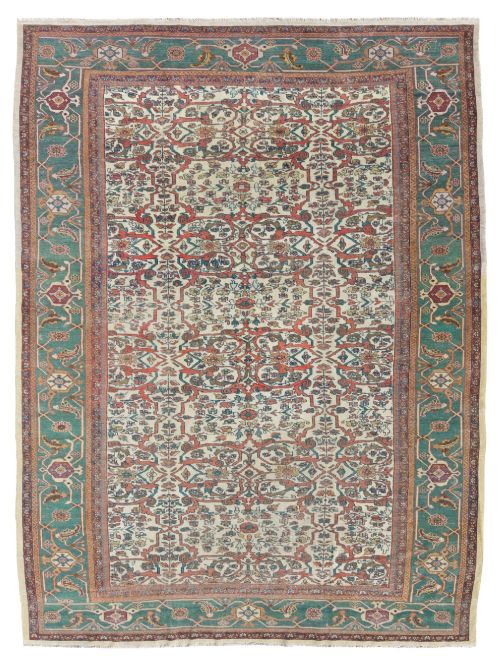
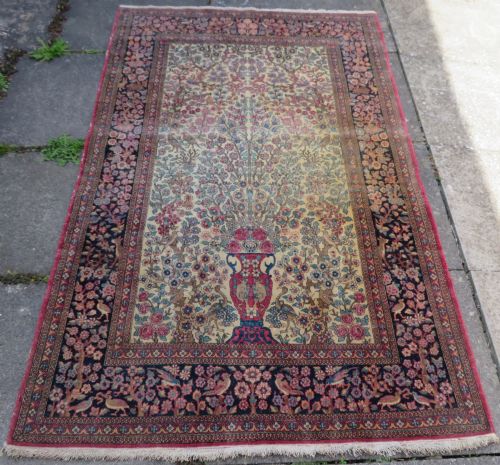
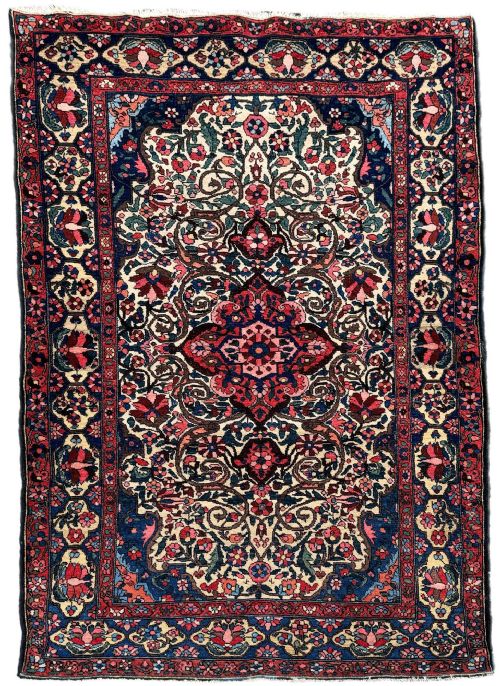
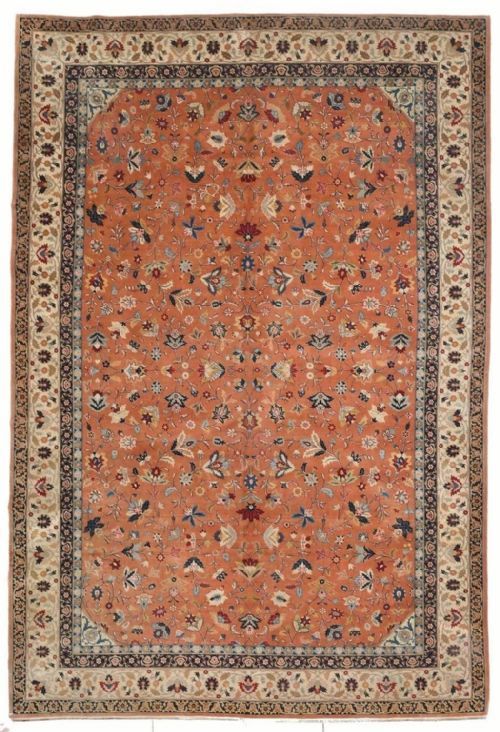
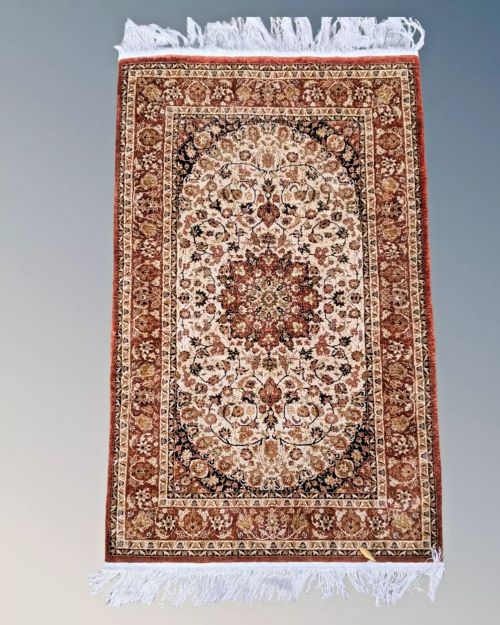
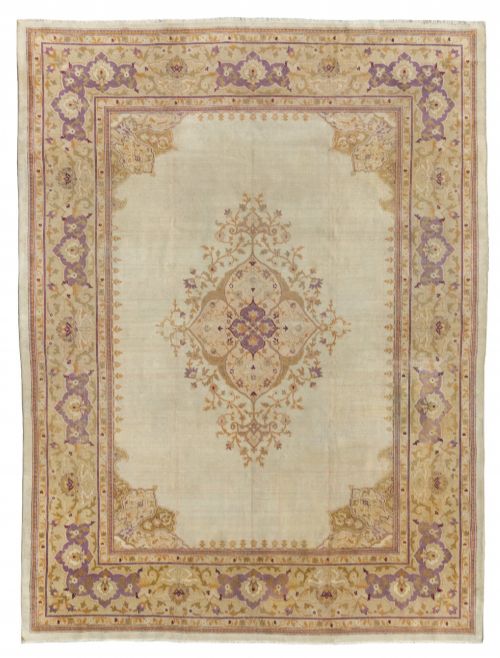
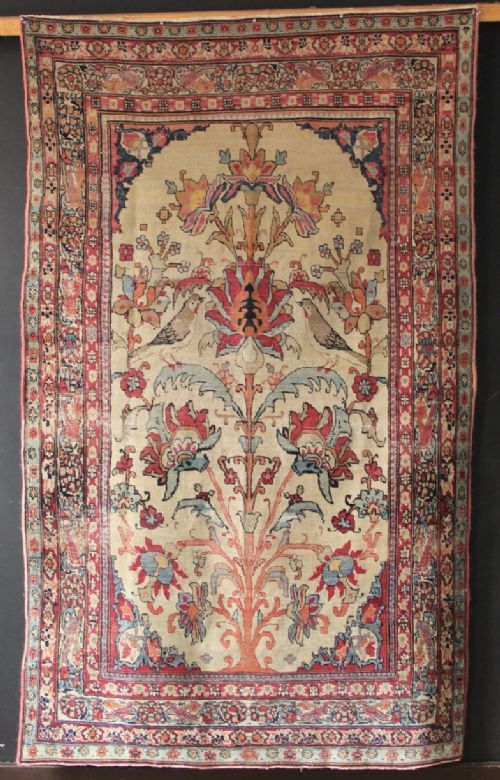
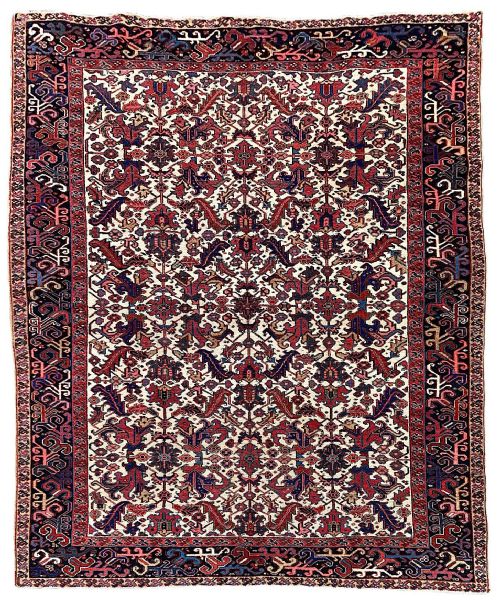
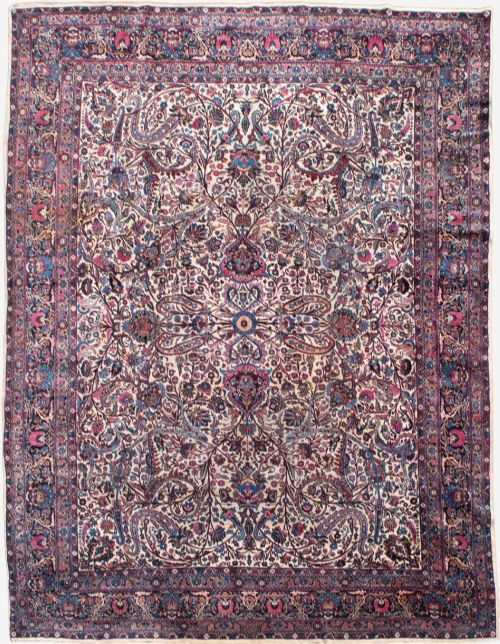
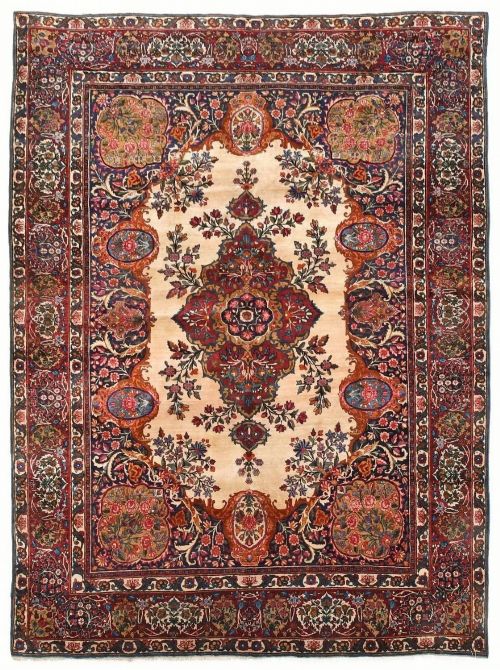
A cream floral area rug brings soft palettes and intricate botanical motifs to a floor, grounding a room with historic Persian and European craftsmanship.
Cream Floral Area Rug
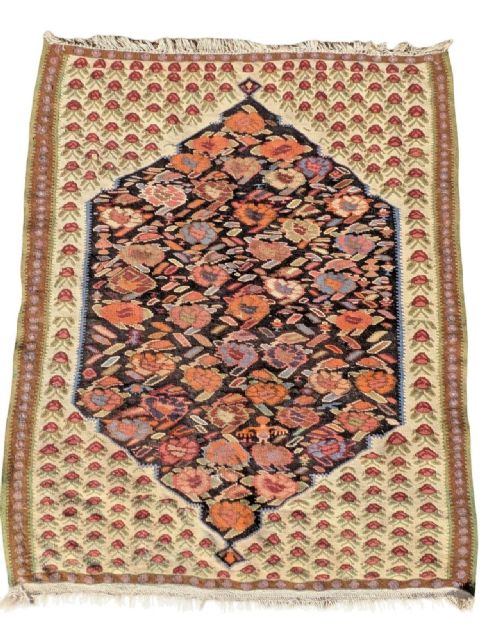
When searching for a cream floral area rug, buyers encounter hand-knotted and flat-woven carpets dating from the late nineteenth century through the early twentieth century. These pieces predominantly originate from traditional weaving centres across Persia, alongside select European flatweaves like Bessarabian kilims.
The aesthetic centres on pale ivories and soft neutrals, contrasted by botanical sprays, weeping trees of life, and elaborate floral vases. Room-sized carpets share space with smaller scatter rugs, giving interior schemes versatility in scale and proportion.
How They Were Made
The majority of these textiles employ durable wool foundations and piles, often supplemented with cotton for structural warp and weft threads, while select finer examples incorporate silk. Natural dyes yield muted pastels and enduring ivory grounds that age gracefully over decades of use.
Weavers tied dense knots by hand on upright looms or executed flat-woven kilim techniques, securing intricate floral patterns with remarkable precision. Finished edges and robust canvas foundations further contributed to the structural integrity of these historical floor coverings.
Cream Floral Area Rug Retail Price Guide 2026
Typical asking prices for cream floral area rug among the pieces listed under this phrase on Sellingantiques today, from the lower quarter to the upper quarter. They describe what is for sale here now, not the wider market.
Listings span periods from the 1870s to the 1940s, featuring wool, cotton, silk, and canvas materials.
What Varies in Quality
Knot density and structural fineness dictate much of the distinction between standard room-sized examples and exceptional collector pieces. Higher knot counts permit crisper botanical detailing and more sophisticated shading within the floral motifs.
The integrity of the wool, the subtlety of the dye palette, and the precision of the weaver's execution separate ordinary utility carpets from masterworks originating in renowned workshops.
Mohtasham Kashan·Benlian Tabriz·Ahmadi Isfahan
The Cream Floral Area Rug Glossary
- Kilim
- A flat-woven carpet or rug produced without a pile. These pieces rely on interlocking weft threads to form crisp geometric and floral patterns.
- Warp
- The vertical threads stretched tightly on a loom that form the structural skeleton of a rug. The exposed fringe at either end of a carpet consists of these extended warp threads.
- Weft
- The horizontal threads passed through the warp to hold the knots in place. Together with the warp, they create the firm foundation of the textile.
- Pile
- The upright tufts of wool, cotton, or silk that form the soft surface of a carpet. Shorter piles reveal finer underlying detail work.
Cream Floral Area Rug: Frequently Asked Questions
How do I clean an antique rug?
Gentle surface brushing and professional specialist cleaning are recommended to protect fragile historic wool and silk fibres.
Avoid harsh chemical treatments or soaking, which can weaken natural dyes and degrade the foundational cotton or wool.
Are these rugs suitable for hallways?
Many smaller formats and runner-style proportions work well in transition spaces and entrance halls.
Placing a quality rug underlay beneath helps prevent sliding and reduces friction against high foot traffic.
How do I identify a Tabriz carpet?
Tabriz carpets typically display structured medallion or garden designs executed with fine knotting originating from north-west Persia.
Signatures or workshop attributions occasionally appear woven into the border regions of these pieces.