





Cream Earthenware Bowl
These cream earthenware bowls offer tactile historical character, spanning utilitarian dairy vessels and intricate ceramic table pieces.
Cream Earthenware Bowl
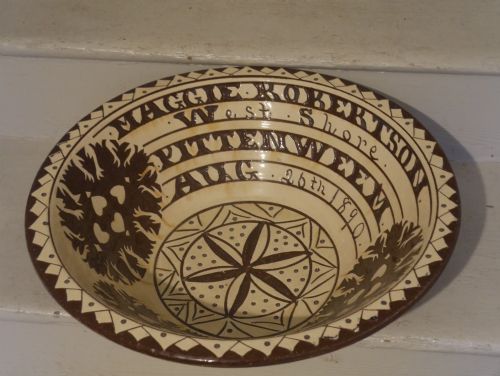
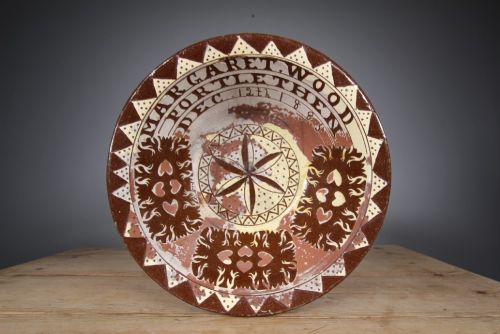
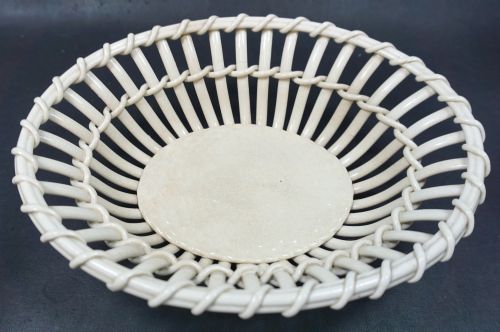
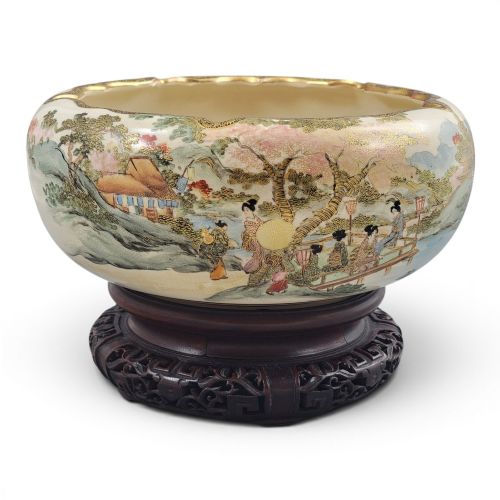
A cream earthenware bowl encompasses a wide range of domestic and decorative vessels produced across several centuries. The selections here include everything from utilitarian dairy and pudding bowls to ornate Japanese Satsuma and Persian slip-painted wares.
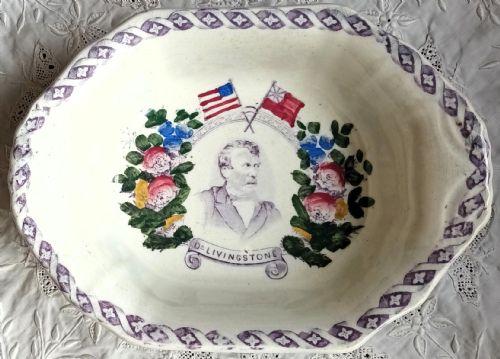
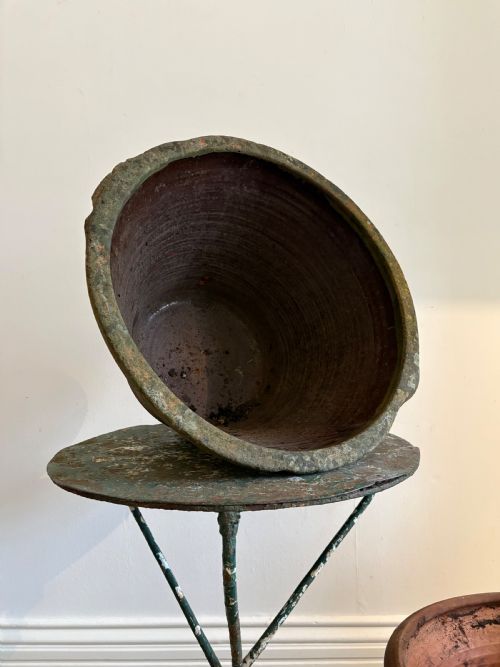
Buyers will encounter various forms, including large terracotta dairy bowls with glazed interiors, footed burners, and commemorative pieces. These objects reflect practical everyday use alongside refined artistic production from British, European, and Asian traditions.
How they were made
Potters shaped these vessels from ceramic, earthenware, and terracotta, often applying a smooth glaze or creamware finish to seal the porous clay body. Many examples incorporate slipware techniques, enamel painting, and gold leaf highlights to define surface details.
Specialised regional workshops utilised traditional kilns and hand-thrown methods, occasionally stamping or signing their creations on the underside to record the maker or studio.
Materials represented across the selection include earthenware, terracotta, enamel, gold leaf, and traditional creamware glaze.
What varies in quality
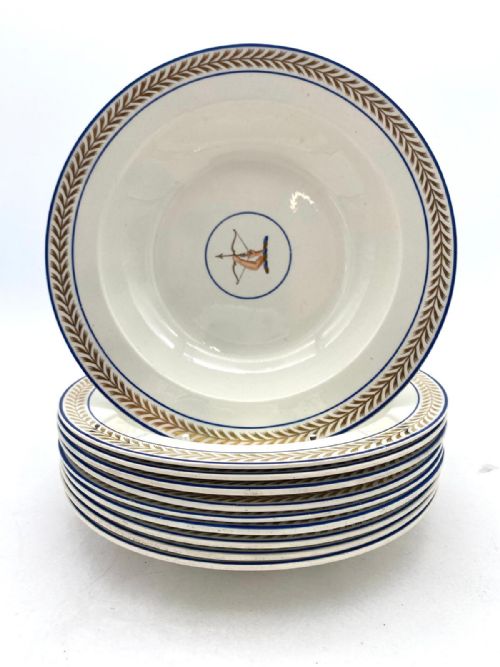
Quality rests upon the crispness of the modelled form, the stability of the glaze, and the precision of any painted or enamelled decoration. Pieces featuring clear maker signatures or distinct armorial and pictorial motifs demonstrate higher levels of workshop execution.
The sophistication of the clay body and the evenness of the firing dictate the longevity and visual appeal of each vessel, separating utilitarian kitchenware from accomplished studio pieces.
Seaton Pottery·Mann & Co·Mark Jones & Sons·Charlotte Rhead Bursley Ware·Davenport
The Cream Earthenware Bowl Glossary
- Creamware
- A fine-grained, cream-coloured refined earthenware developed in England during the eighteenth century. It revolutionised table ceramics through its pale hue and smooth glaze.
- Slipware
- Pottery decorated with a liquid clay mixture applied before firing to create surface patterns. It appears frequently on traditional country and dairy bowls.
- Satsuma
- Japanese earthenware pottery featuring a crackle-glazed ivory surface decorated with enamels and gilding. Originating in Kyoto, Satsuma pieces often bear artist signatures.
- Terracotta
- Unglazed or partially glazed baked red clay used historically for heavy utilitarian vessels like dairy bowls. The porous material provides durability for domestic tasks.
- Spongeware
- Pottery decorated by dabbing pigment onto the surface with a sponge or fabric pad. This technique creates mottled, organic patterns on nineteenth-century kitchen and utility wares.
Cream Earthenware Bowl: Frequently Asked Questions
What is a cream earthenware bowl used for?
These vessels served diverse functions ranging from heavy kitchen tasks like dairy work and pudding preparation to formal dining and interior display. Utilitarian bowls held milk or batter, while decorative pieces functioned as sugar bowls, footed burners, or commemorative dishes.
Over time, many of these domestic objects transitioned into collectible display pieces. Their varied shapes reflect the specific demands of historical households across different cultures.
How do I identify Satsuma bowls?
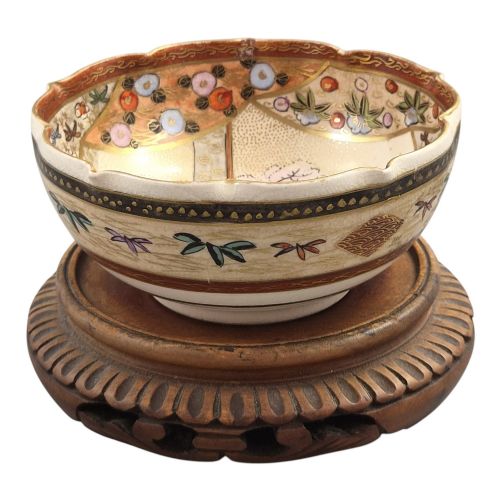
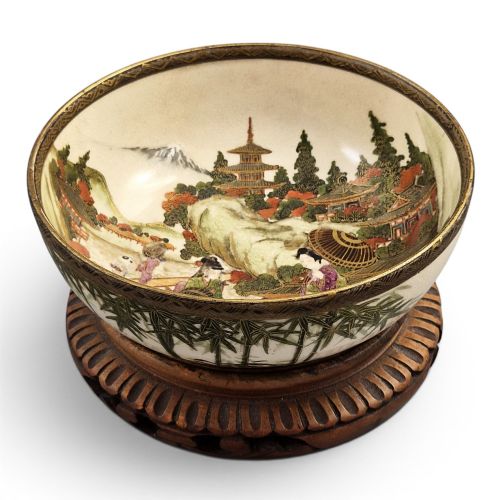
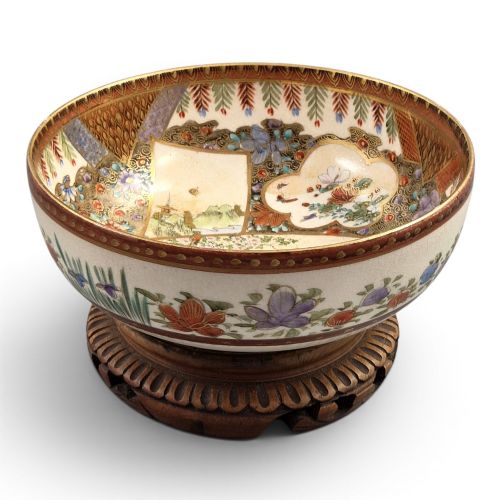
Satsuma ceramics feature a characteristic ivory-coloured earthenware body covered in a fine network of transparent crackle glaze. They are typically hand-painted with intricate floral, avian, or figural scenes enriched with enamel colours and gold leaf.
Many pieces carry Japanese artist signatures or studio crests painted on the underside. They emerged prominently during the Meiji period as highly finished decorative works.
Are dairy bowls waterproof?
Dairy bowls usually feature a glazed interior surface designed to hold liquids and prevent milk absorption into the porous earthenware body. The exterior often remains raw terracotta or unglazed clay.
This construction allowed traditional dairies to cool contents effectively while containing liquids during daily kitchen labour. Modern buyers should check the specific interior finish before exposing the vessel to moisture.
How do I date an antique earthenware bowl?
Dating relies on examining the potting technique, the composition of the clay body, and the style of decoration or maker's marks. Eighteenth-century creamware exhibits lighter, thinner walls, whereas nineteenth-century utility bowls tend to be heavier and more robust.
Signatures, stamps, and regional manufacturing traits help narrow the origin to specific decades or periods like the Meiji era or the Georgian period.