
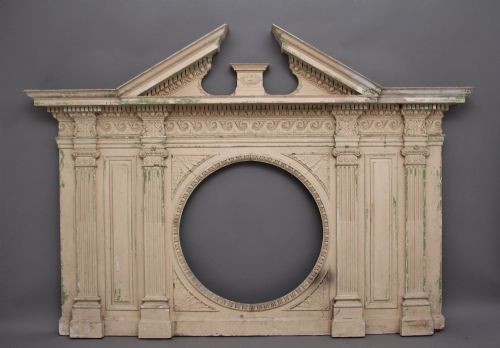
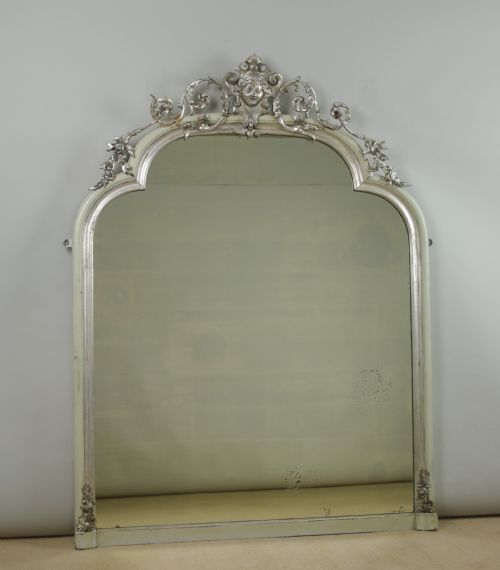
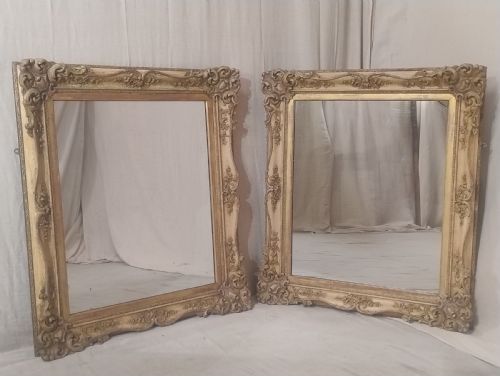
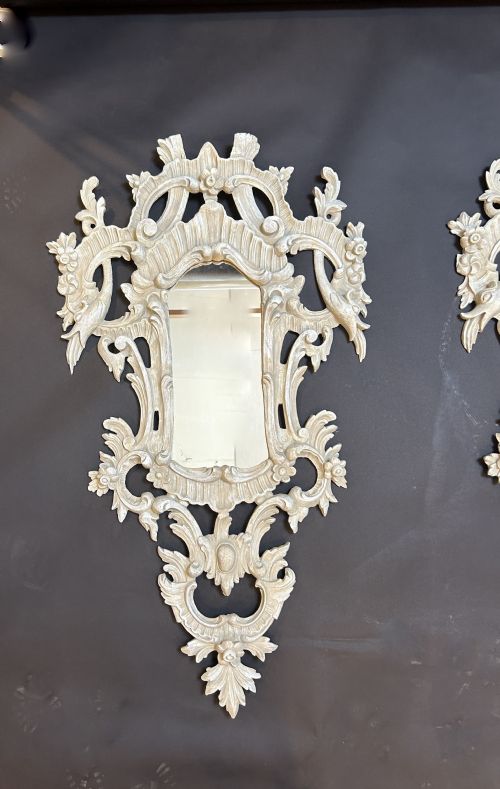


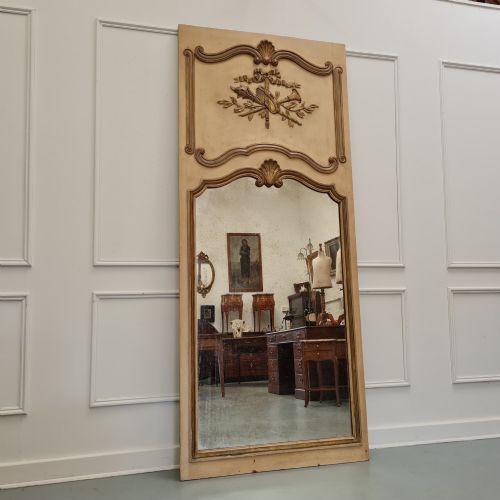


Cream Carved Mirror
When sourcing a cream carved mirror, interior designers and collectors turn to these ornate wall-hanging pieces for subtle architectural presence and light.
Cream Carved Mirror
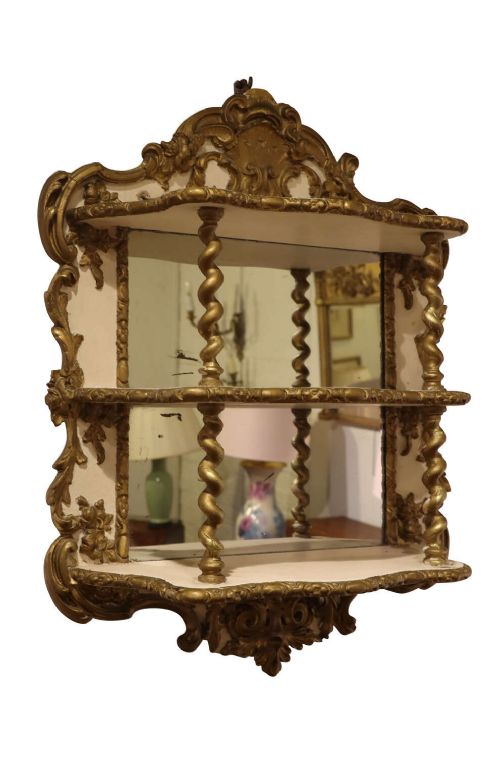
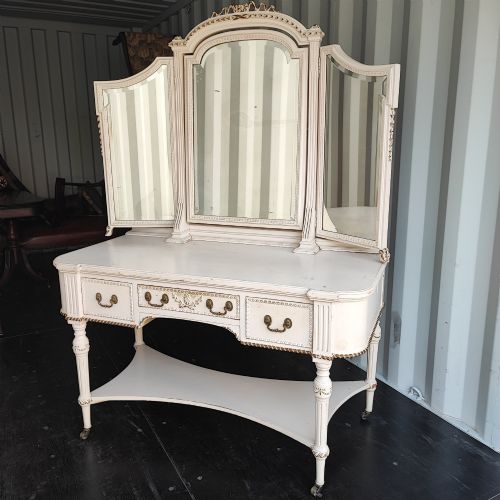
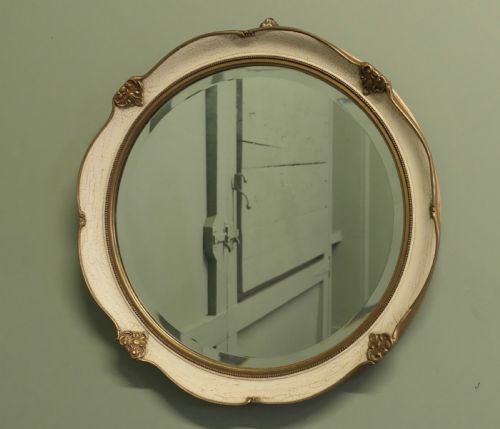
A cream carved mirror brings a soft, weathered neutral tone to domestic spaces, combining carved wooden or gesso enrichment with painted light surfaces. Buyers searching for a cream carved mirror typically encounter substantial French and English wall-hanging examples spanning the eighteenth, nineteenth, and early twentieth centuries.
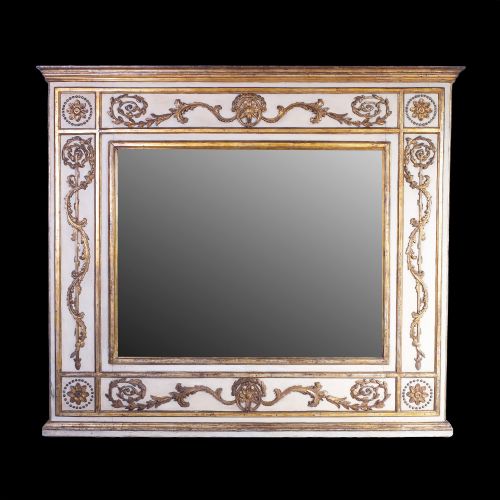
The dominant forms found within this selection include wide landscape overmantels designed for chimneypieces, arched top pier glasses, and tall trumeau panels intended for placement between windows. Many pieces reflect regional interpretations of rococo revival, neoclassical, and Louis Philippe aesthetics, often pairing neutral paint with parcel gilt highlights.
While some items originate from domestic English settings, a significant portion of the inventory comprises continental and Venetian works. These range from simple painted pine frames to heavily moulded architectural compositions with column supports and scrollwork.
How they were made
Traditional makers built these frames using timber foundations such as pine or oak, upon which they applied layers of gesso to build up high-relief ornamentation. Artisans then carved intricate motifs directly into the wood or moulded the gesso while pliable to form scrolls, leaves, and architectural details.
Surfaces received multiple coats of paint, frequently in cream or off-white tones, sometimes layered over older gilt or red grounds to allow for subsequent distressing. Gilding applied with gold leaf or silver leaf was often added to raised mouldings and crestings, catching ambient light against the matte painted background.
Listings feature nineteenth-century English and French overmantels alongside eighteenth-century Italian carved wall mirrors.
What varies in quality
The distinction between standard domestic mirrors and exceptional pieces often rests upon the depth and crispness of the hand-carved gesso ornamentation. Superior examples retain original cast or hand-modelled relief work where decorative elements remain sharp rather than softened by excessive over-painting.
The integrity of the glass plate also dictates overall quality, with older mercury or early silvered plates showing characteristic foxing and distortion that denote considerable age. Frames that maintain their original undisturbed surface patination command greater interest than those stripped and repainted in modern finishes.
The Cream Carved Mirror Glossary
- Gesso
- A plaster-like mixture applied to wooden frames as a base for carving and gilding. This material allows for intricate three-dimensional ornamentation.
- Trumeau
- A decorative wall panel incorporating a mirror and an upper painted or carved section. These tall pieces were traditionally hung between windows.
- Overmantel
- A large mirror specifically proportioned to hang above a fireplace mantelpiece. They often feature landscape orientations to fill the broad wall space.
- Parcel Gilt
- A decorative treatment where portions of an object are selectively covered in gold leaf while other areas remain painted. This technique highlights specific carved details.
- Louis Philippe
- A mid-nineteenth-century French style characterised by restrained classical curves, rounded upper corners, and simple beaded mouldings. These mirrors offer a cleaner silhouette than earlier rococo designs.
Cream Carved Mirror: Frequently Asked Questions
Where should I hang a large overmantel mirror?
These wide landscape mirrors were originally built to sit directly above fireplace mantelpieces to reflect hearth light around a room. In modern interiors, they work equally well mounted low on a principal living room wall above a low sideboard.
Because of their substantial weight, secure wall fixings directly into masonry or studs are essential for safe installation.
How do I identify a genuine period frame?
Examine the construction of the wooden backing boards and the composition of the gesso layer for signs of age-related shrinkage and craquelure. Genuine antique surfaces often display subtle wear and multiple underlying paint layers beneath the top cream coat.
Weight is another indicator, as older timber and dense gesso layers make these frames considerably heavier than modern reproductions.
What is a trumeau mirror used for?
Trumeau mirrors combine a lower glass plate with an upper decorative panel containing carved wood, gesso relief, or oil painting. Historically, they were placed between tall windows to maximise natural daylight in formal reception rooms.
Today, they serve as vertical statement pieces in hallways, dining rooms, or bedrooms where ceiling height needs emphasis.
How do I clean an antique painted mirror?
Dust the carved gesso frame gently with a soft, dry brush to prevent moisture from damaging fragile historical paint layers. Avoid commercial chemical cleaners on the frame, as harsh solvents can strip original patination and gilt highlights.
Clean the glass plate sparingly using a cloth dampened slightly with water or a mild glass cleaner, taking care not to let liquid seep behind the edges of the old silvering.