

Cream and Red Rug
When you search for a cream and red rug, you are looking at woven floor coverings and textiles that bring depth and warmth to a room through traditional dye palettes.
Cream and Red Rug
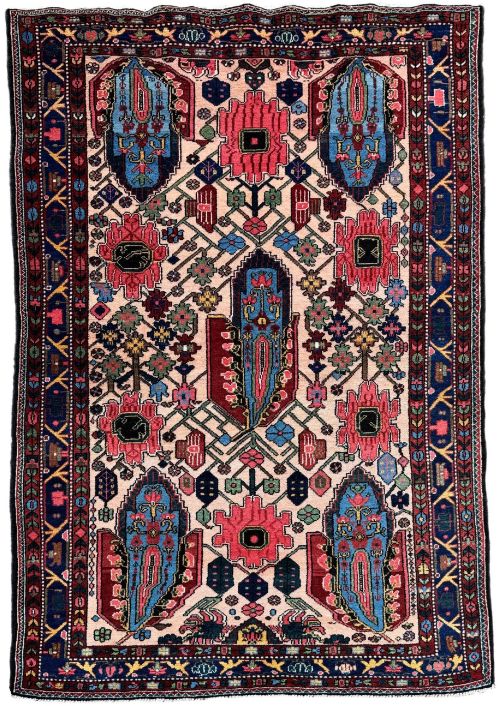
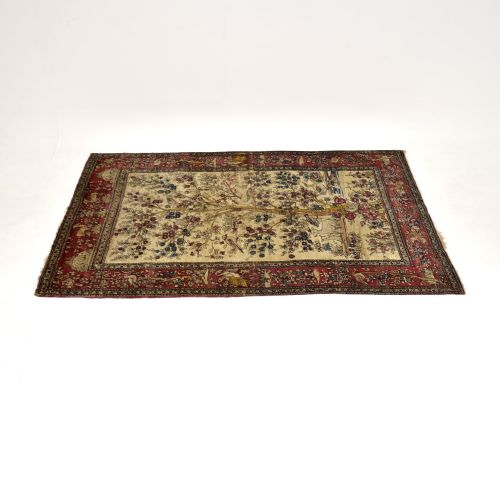
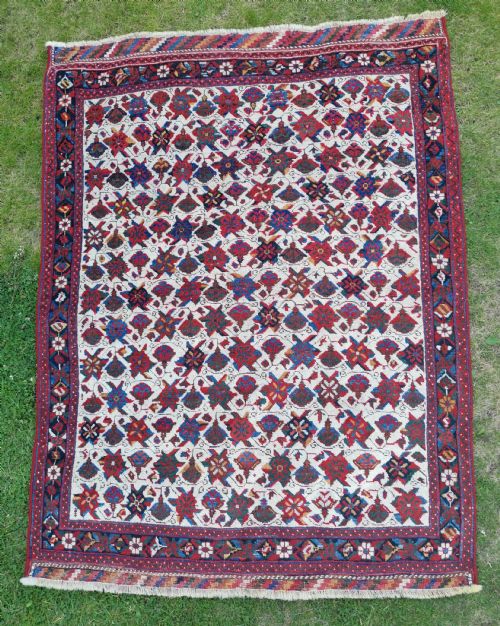
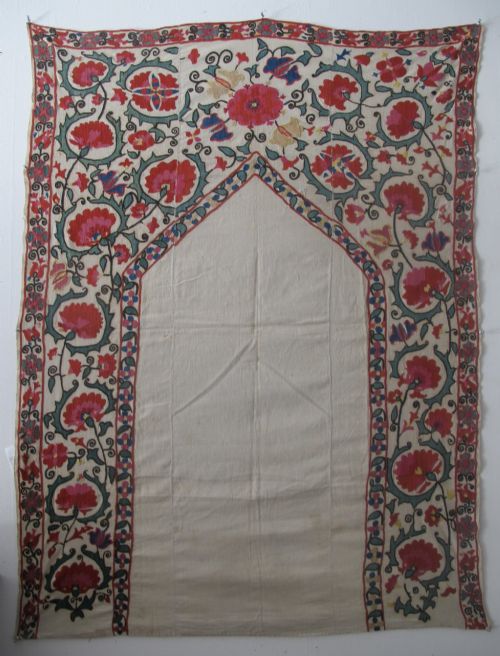
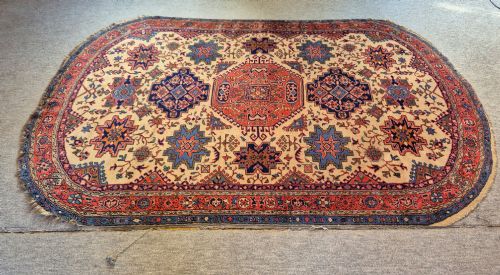
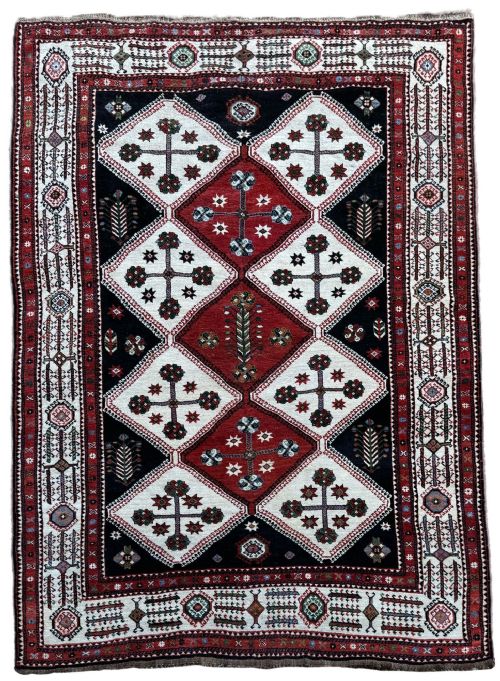
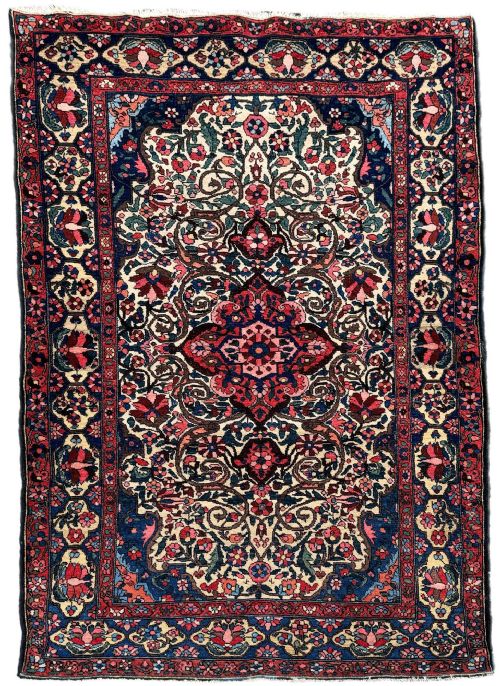
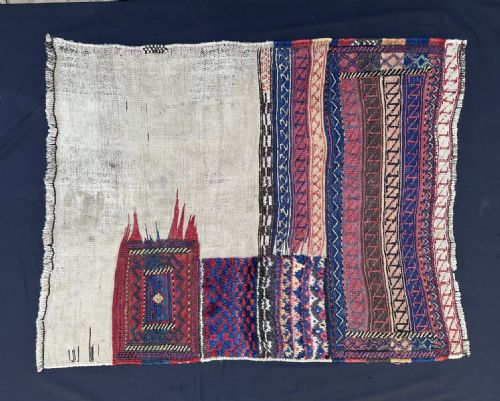
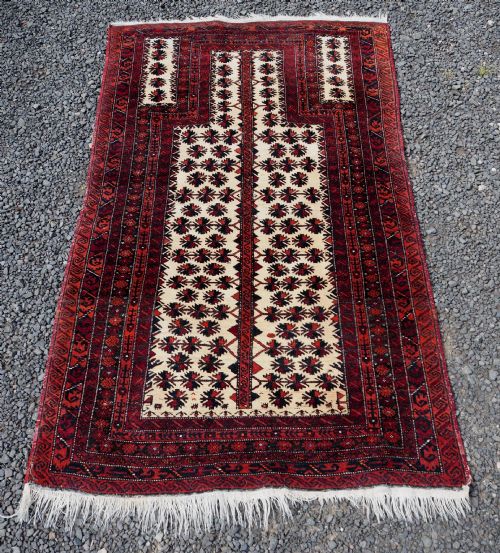
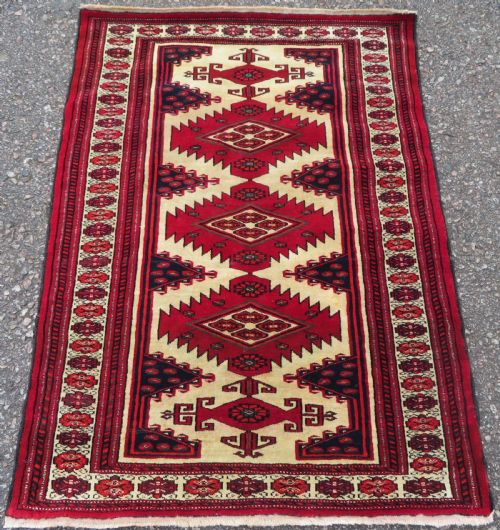
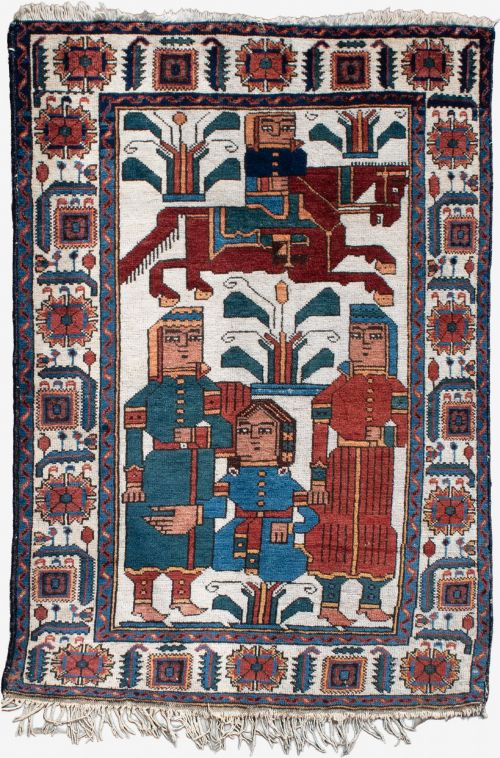
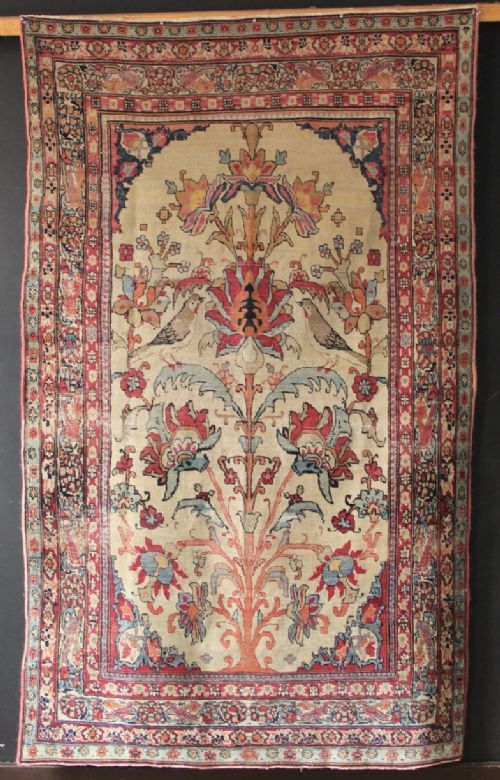
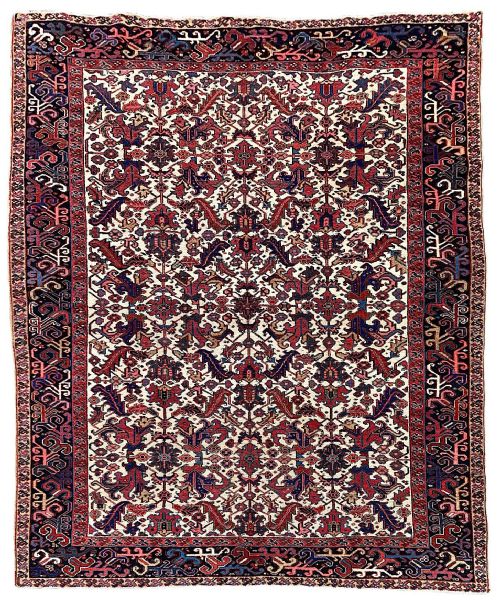
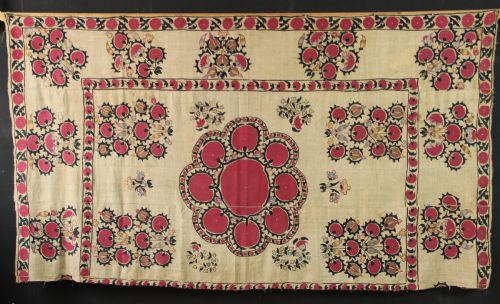
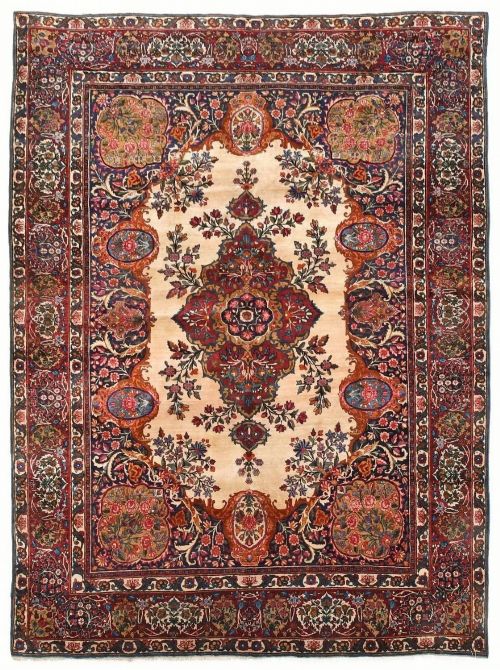
A cream and red rug encompasses regional carpets, village runners, prayer rugs, and flat-woven suzanis originating from Persia, Central Asia, Anatolia, and Eastern Europe. These pieces bridge nomadic tribal artistry and urban workshop production, spanning from the mid-nineteenth century into the early twentieth century.
The most common formats on this page are room-size Persian carpets, smaller village rugs, and elongated runners, alongside embroidered textiles utilised as wall hangings or floor spreads. These items display geometric medallions, floral vases, architectural motifs, and pictorial designs.
Originating from specific weaving traditions such as Bakhtiar, Afshar, Heriz, Kirman, and Turkmen tribes, these textiles combine practical floor coverings with historical folk art. Each region employs distinct knotting structures and compositions that reflect the heritage of the makers.
Materials and construction methods
The foundation of these textiles relies primarily on hand-spun wool, cotton, and occasionally silk threads or goat hair, providing durable structures for floor use. Weavers knotted or embroidered these materials onto wool or cotton warp and weft threads.
Natural dyes produced the characteristic cream and red tones, alongside subsidiary colours derived from local plants and minerals. These organic colourants yield subtle variations across the surface of the pile and embroidery.
Nomadic weavers occasionally embedded small protective amulets directly into the wool pile to guard against misfortune.
Distinctions in craftsmanship
The standard of a piece rests in the density of the knotting or the precision of the needlework, which dictates the sharpness of the design details. Finer wool selection and expert dye preparation also separate utilitarian floor coverings from master workshop carpets.
The integrity of the original borders, the preservation of the pile or embroidery, and the balance of the composition distinguish exemplary examples from heavily worn or altered pieces.
The Cream and Red Rug Glossary
- Suzani
- An embroidered textile from Uzbekistan, traditionally worked in silk thread on a cotton or linen ground with floral and architectural motifs.
- Sofreh
- A woven or embroidered cloth utilised for ceremonial dining or bread preparation among Persian and nomadic communities.
- Pile
- The vertical or diagonal loops of wool, cotton, or silk that form the soft surface of a carpet, distinct from flat-woven kilims.
- Prayer rug
- A small rug featuring a mihrab or arch design, originally intended for personal devotional use.
- Warp
- The stationary vertical threads stretched across a loom that form the structural skeleton of a woven rug or carpet.
Cream and Red Rug: Frequently Asked Questions
How do I care for an antique rug?
Vacuum gently without using a rotating brush roll to protect the fragile wool or silk pile from excessive friction. Keep the textile away from direct sunlight to prevent the natural red and cream dyes from fading over time.
Professional cleaning by specialists familiar with antique textiles is essential every few years. Avoid harsh chemical spot treatments, which can damage the natural fibres and alter the dye colours.
What is the difference between a carpet and a kilim?
Carpets possess a raised pile formed by individual knots tied to the foundation threads, creating a plush and heavy surface. They are engineered to endure heavy foot traffic and provide insulation on stone or wooden floors.
Kilims are flat-woven textiles produced without a pile by tightly interweaving warp and weft threads. This technique results in a lighter, reversible fabric often utilised as a hanging or a summer floor covering.
How can I date an old rug?
Dating relies on examining the specific wool quality, the chemical composition of the natural dyes, and the structural knotting techniques. Stylistic shifts in the geometric or floral patterns also offer reliable clues to the era of production.
Comparative analysis against documented regional examples from the nineteenth and early twentieth centuries helps narrow the decade. Examining the condition of the selvedges and ends provides further insight into the age.