


Cranberry Glass Lights
Cranberry glass lights bring a warm, rich glow to a room through deep pink and red tinted vessels paired with period metalwork.
Cranberry Glass Lights
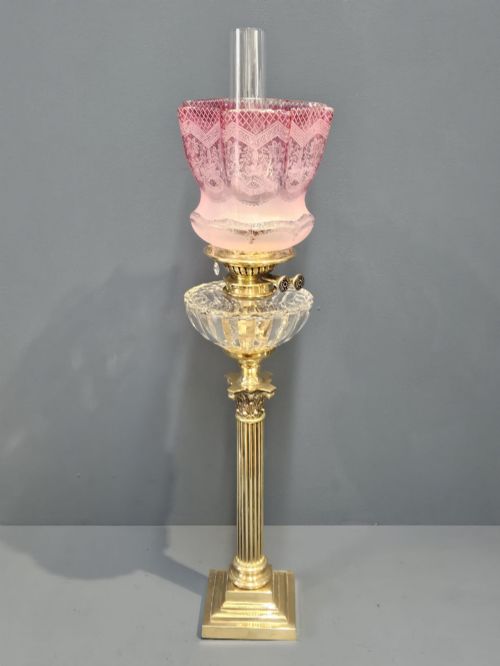
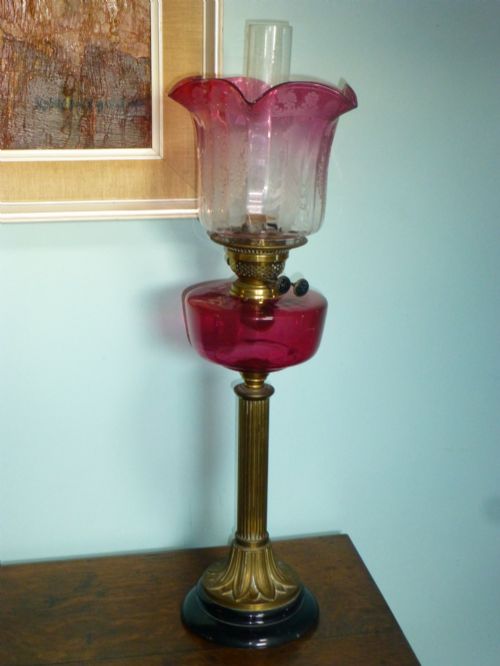
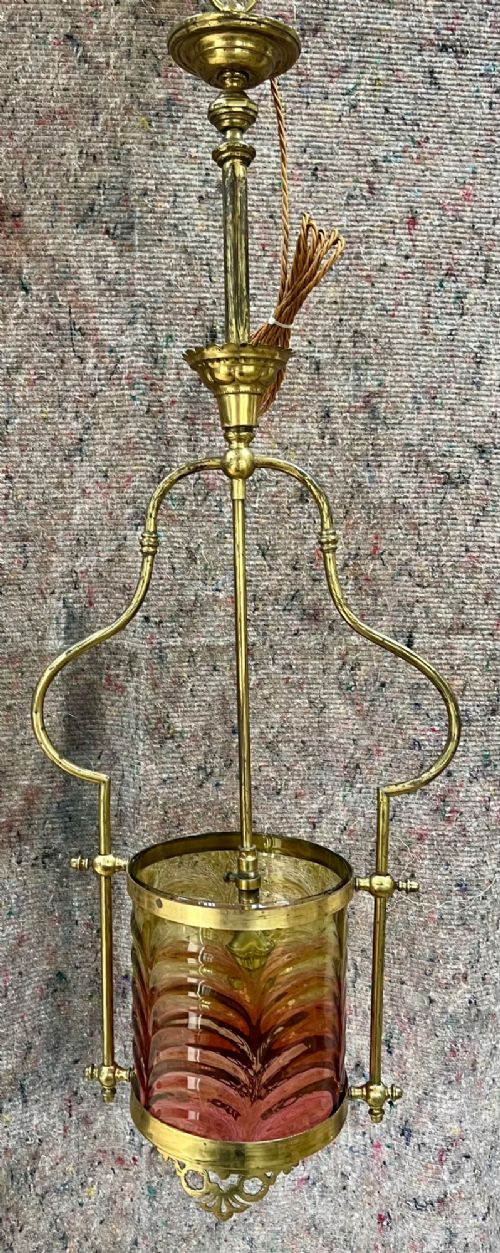
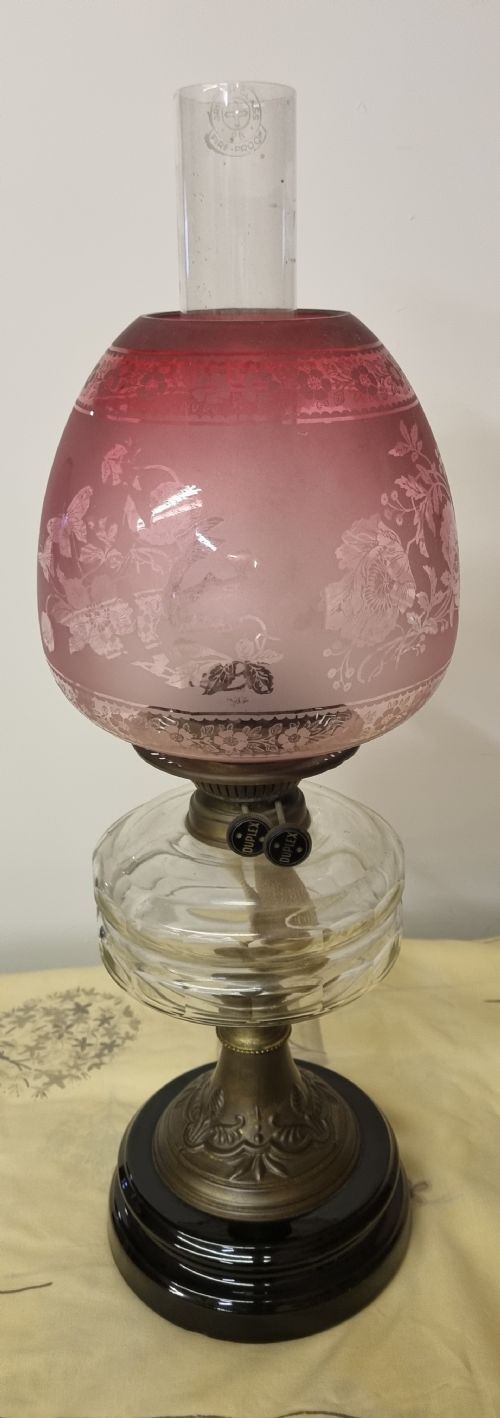
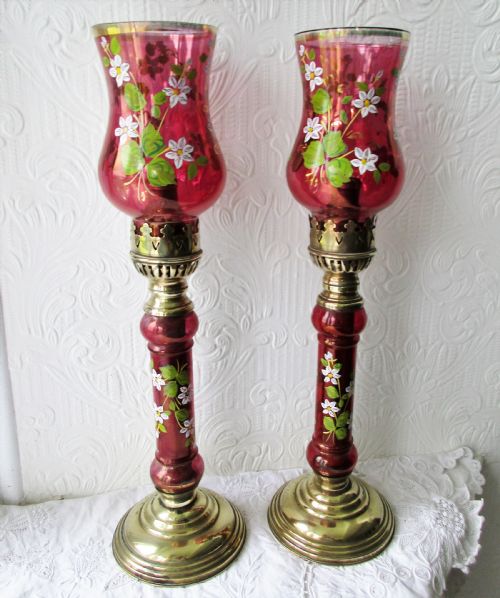
Cranberry glass lights appear predominantly in nineteenth century domestic lighting, taking the form of oil lamps, ceiling pendants, and table lamps. These pieces combine vibrant coloured glass elements with functional metal structures made from brass and copper.
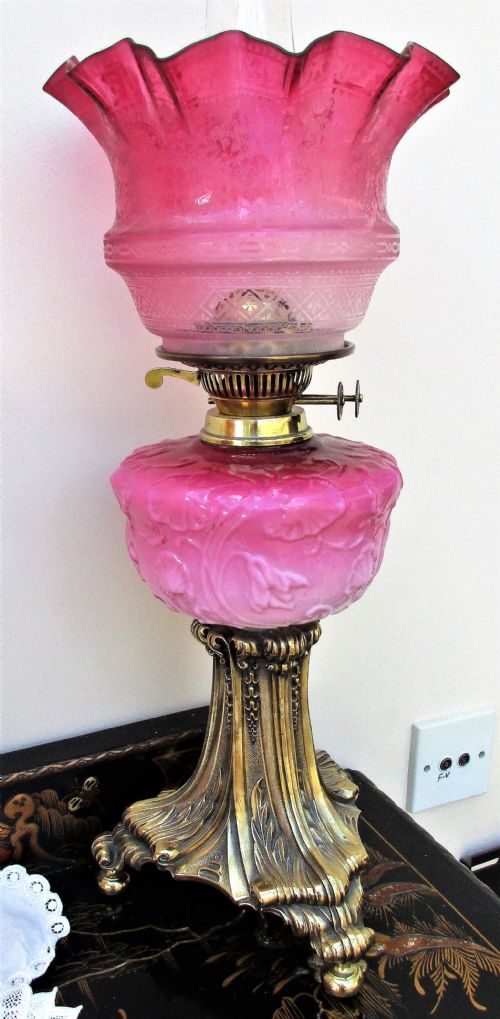
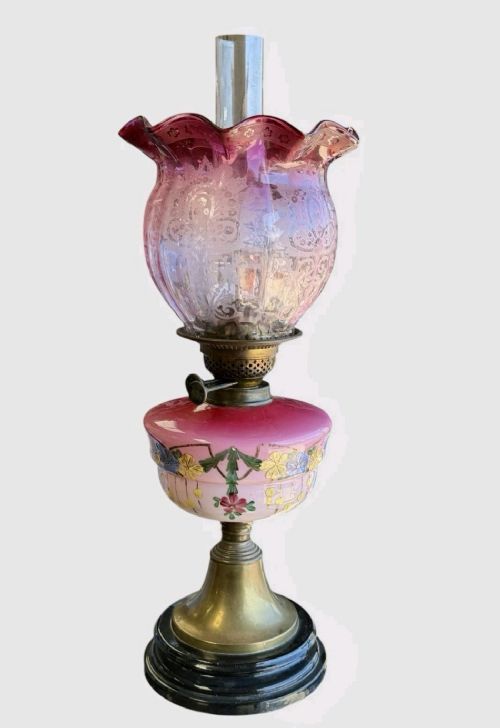
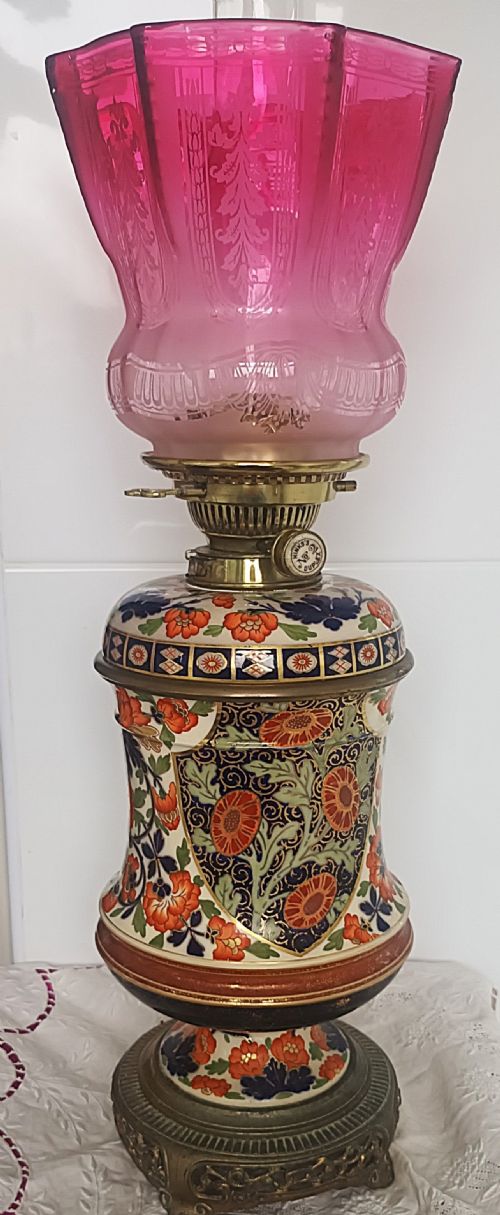
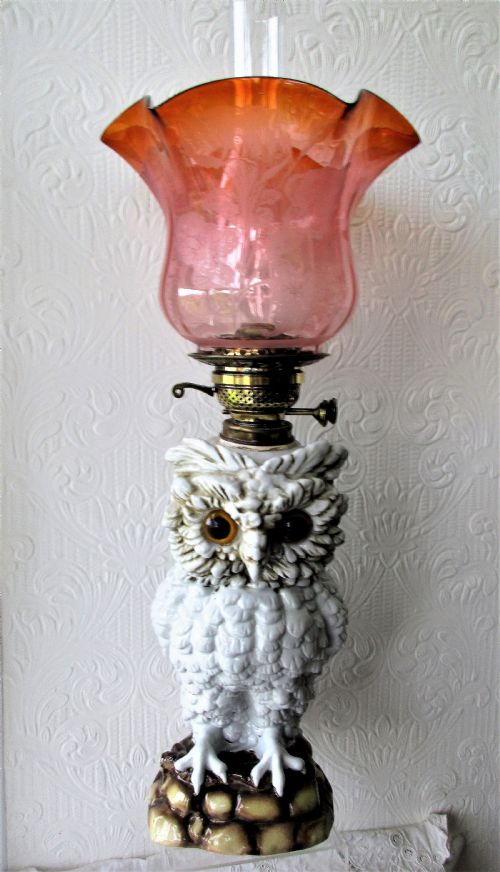
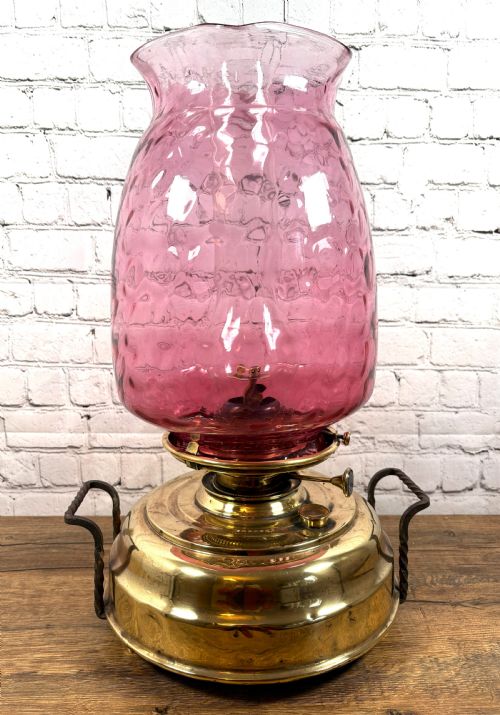
The most common examples on this page are Victorian oil lamps featuring cranberry glass fonts or shades paired with brass columns. Makers utilised various silhouettes, from Corinthian columns to simpler ceramic and porcelain combinations, dating mainly from the 1860s to the Edwardian era.
Materials and construction
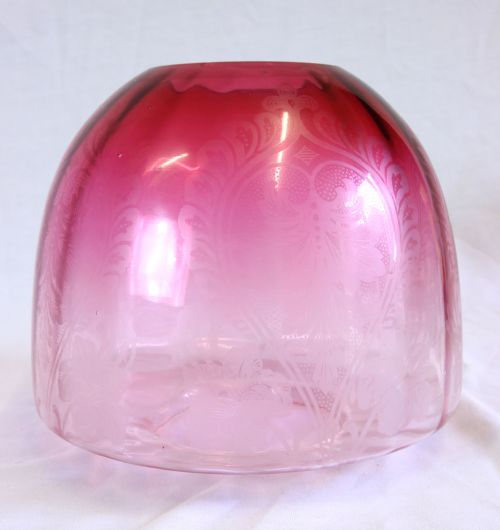
Makers achieved the distinctive pink and ruby coloration of cranberry glass by adding gold chloride to the molten glass mixture during production. Artisans then shaped these vessels through blowing, sometimes finishing them with hand painting, frosting, or gilding.
The glass components integrate with structural metal elements, principally cast and polished brass, alongside copper and silver plating. Many pieces incorporate cut glass details, clear glass chimneys, and ceramic or porcelain reservoirs within the broader assembly.
Some Victorian oil lamps doubled as room heaters, proving that nineteenth-century domestic comfort took warmth just as seriously as illumination.
Factors that define quality
Quality rests heavily on the depth and evenness of the glass coloration, alongside the crispness of any cut or etched decoration on the shade and font. Superior examples display rich saturation without muddy patches in the pink or ruby tones.
The weight and detail of the supporting brass metalwork also separate standard items from finer pieces. Cast columns with sharp architectural detailing and robust construction indicate superior manufacture compared to simpler stamped frames.
Hinks·Taylor Tunnicliff·Sitzendorf
The Cranberry Glass Lights Glossary
- Cranberry glass
- A type of transparent glass coloured with gold chloride, producing shades from pale pink to deep crimson. It remains a defining feature of Victorian decorative lighting.
- Duplex burner
- A double-wick mechanism found on nineteenth-century oil lamps designed to provide a brighter illumination. These burners often accompany large glass fonts.
- Font
- The oil reservoir of a lamp, frequently fashioned from coloured or cut glass to catch the light. In many configurations, this sits atop a brass or ceramic column.
- Lustre
- A decorative glass or porcelain mantel ornament hung with cut glass prisms. These share the same ruby and pink colouring techniques seen in period lighting.
- Corinthian column
- An architectural column style utilised for the stems of Victorian table and floor lamps. They are typically cast in brass to support heavy glass fonts.
Cranberry Glass Lights: Frequently Asked Questions
How do I date a cranberry glass oil lamp?
Dating relies on examining the burner mechanisms, metal casting styles, and glass manufacturing techniques. Victorian pieces often feature marked burners and heavy brass Corinthian columns.
Later Edwardian and early twentieth-century examples tend toward simpler brass standards or different base forms while retaining the coloured glass shades.
Were these lamps converted to electricity?
Many period oil lamps and hanging lights undergo conversion to electricity for modern domestic use. This process typically involves running a cord through the central burner or column.
Collectors look closely at whether conversions preserve the original burners and font structures without causing permanent damage to the glass.
How should I clean cranberry glass?
Cleaning requires warm water and mild dish soap applied with a soft cloth to protect the delicate tinted surface. Avoid harsh chemical cleaners that might damage hand-painted details or gilding.
Metal components like brass need separate, careful polishing to prevent cleaning agents from splashing onto the sensitive glass body.
What is the difference between cranberry and ruby glass?
Cranberry glass generally refers to the lighter, translucent pinkish-red hues achieved with gold oxide. Ruby glass often describes deeper, heavier red tones.
Both terms appear across nineteenth-century lighting, sometimes describing the same rich coloration depending on the density of the glass.