


Craftsman Oak Dresser
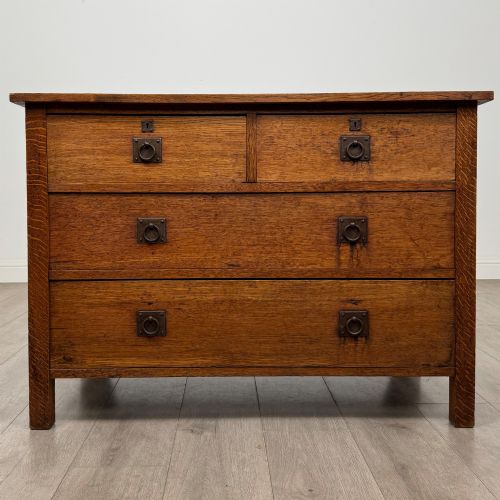
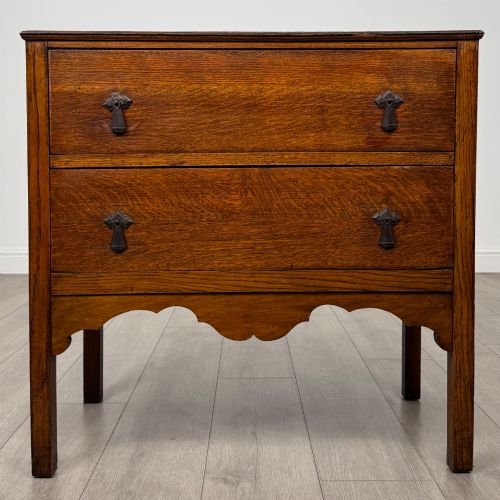
These craftsman oak dresser pieces bring honest construction and tactile grain into a room, offering both storage and strong period character.
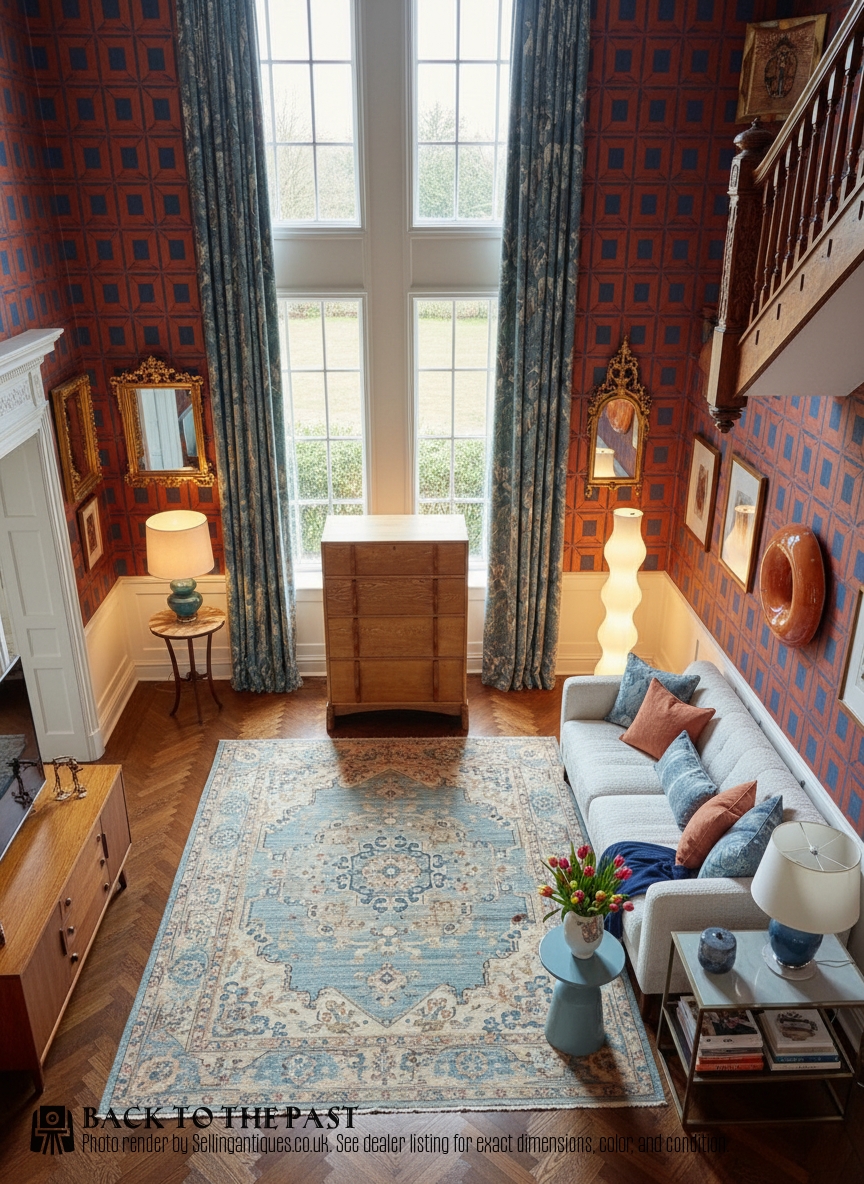
What these pieces are
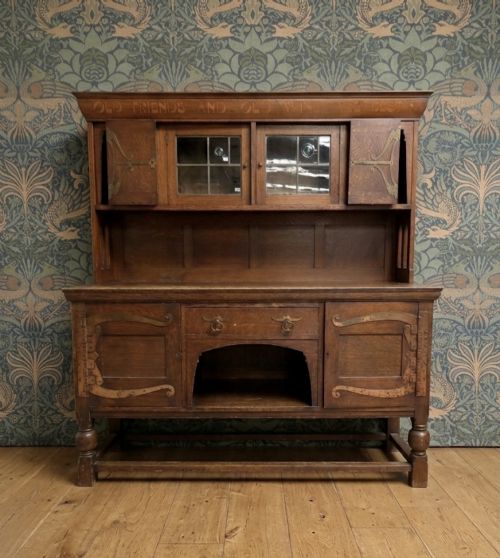
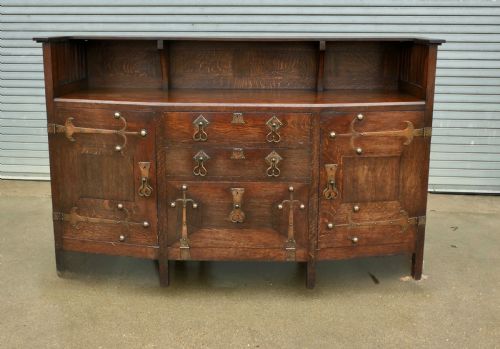
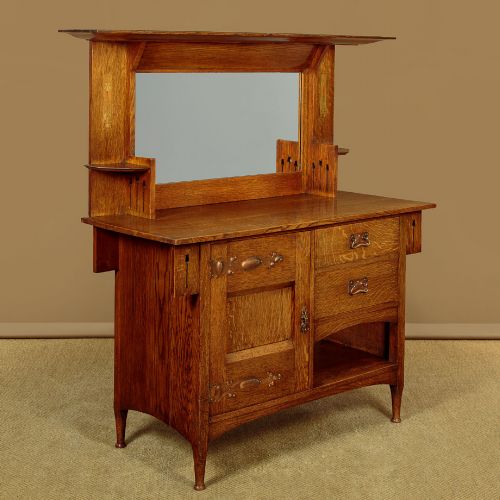
A craftsman oak dresser unites utility and design from the late nineteenth and early twentieth centuries. These items appear across several forms, including sideboards and chests of drawers rooted in the Arts and Crafts movement.
Edwardian examples and pieces from around 1900 dominate the selection, showing the heavy influence of the Cotswold School. Buyers encounter sturdy storage furniture built from solid timber with functional metal and brass hardware.
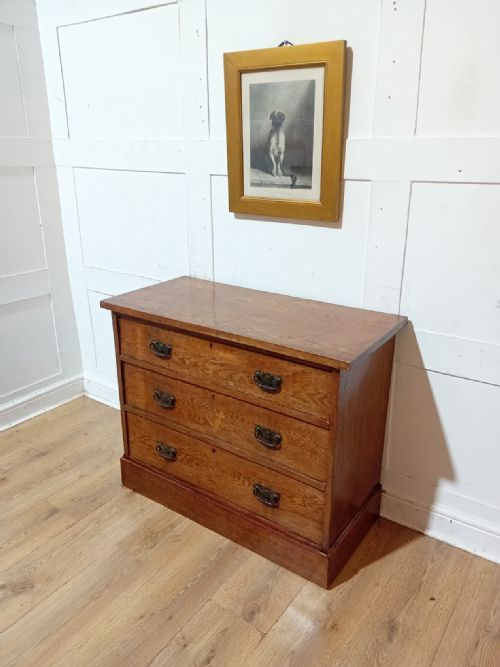
The phrase craftsman oak dresser covers both low sideboard units and tall drawer chests built with straightforward joinery. Their restrained ornament relies entirely on the natural beauty of the wood.
How they were made
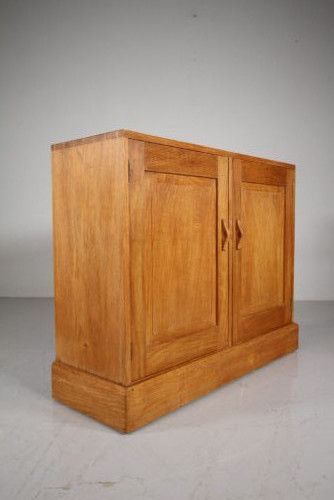
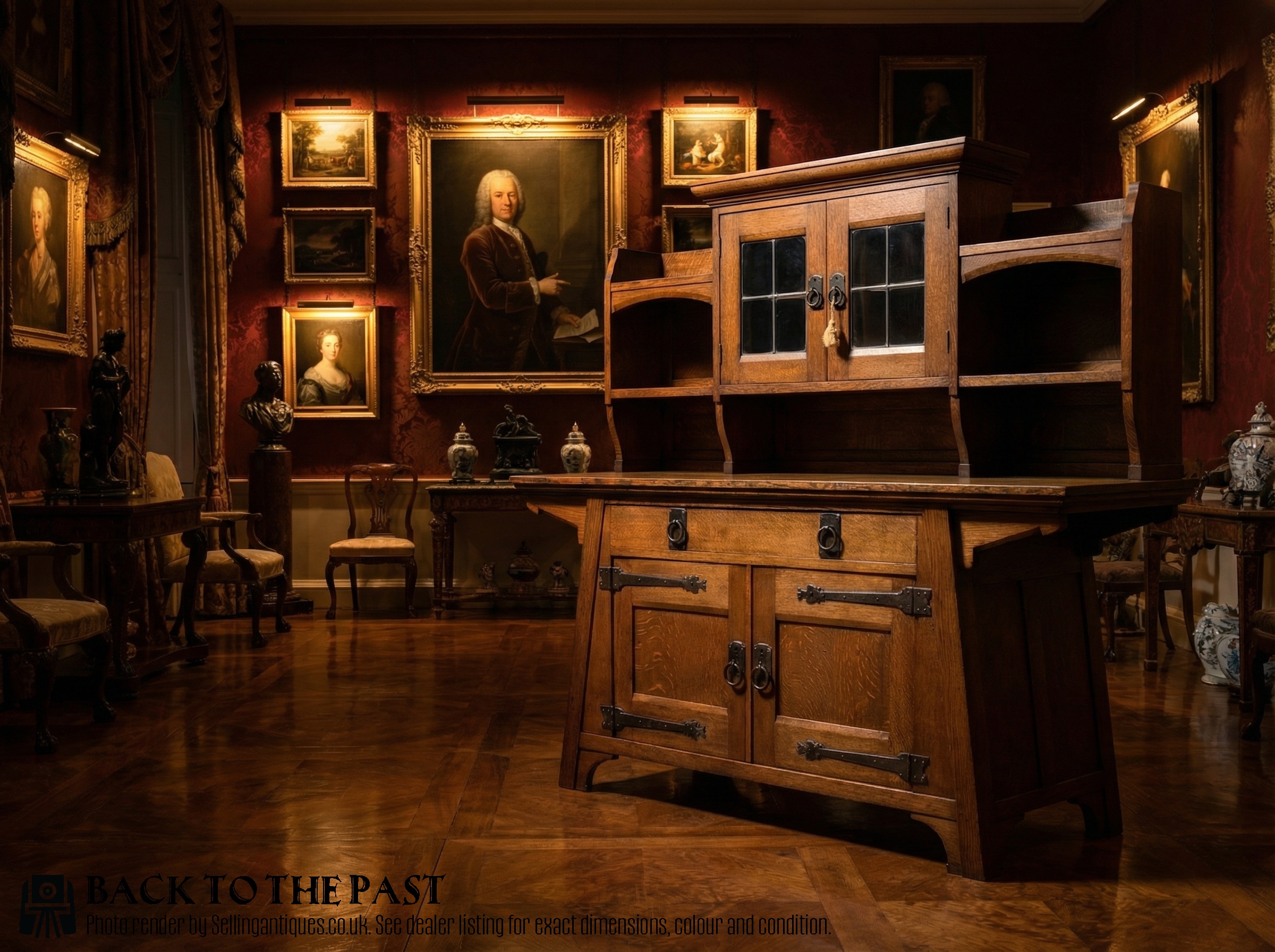
Cabinet makers constructed these pieces primarily from solid oak, sometimes treated with a limed finish to lighten the surface grain. Iron and brass fittings were chosen for durability and simple visual contrast.
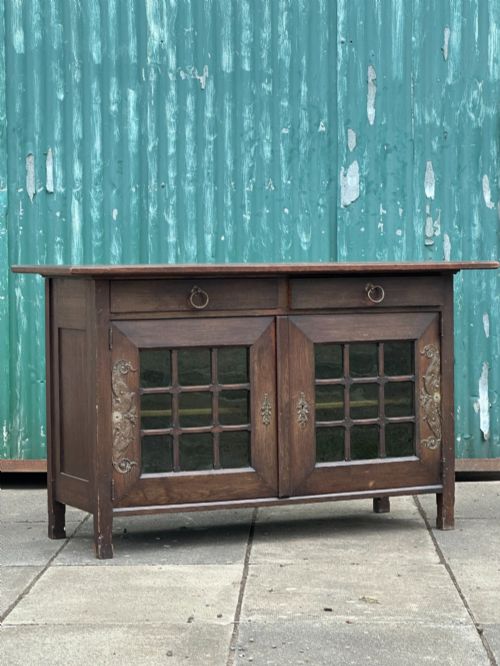
Many examples incorporate leaded glass panels and ceramic elements into their doors and upstands. Construction methods prioritised exposed tenons, pegged joints and visible hand-planed surfaces rather than hidden machine work.
Retail Price Guide 2026
Typical UK retail prices for craftsman oak dresser, calculated from the Sellingantiques database of over a million retail prices indexed since 2003. This retail price guide relies exclusively on Sellingantiques data; no external sources or auction records are used, so the figures do not describe the wider market.
Listings feature oak combined with brass, iron, leaded glass and ceramic across Edwardian and 1930s periods.
What varies in quality
The distinction between standard workshop output and exceptional pieces lies in the integration of design and timber selection. Pieces associated with named makers or specific regional schools display more considered proportions and superior hand finishing.
Hardware choice and the execution of structural joinery also dictate standing. Well-chosen brasses, subtle limed oak patination and thoughtful interior detailing separate ordinary storage chests from works of notable artistic merit.
Liberty & Co.·Peter Waals
The Craftsman Oak Dresser Glossary
- Arts and Crafts
- A design movement valuing traditional craftsmanship, simple forms and medieval guild structures. It rejected mass production in favour of visible hand skills.
- Limed oak
- Timber treated with a white pigment or lime to highlight the open grain pattern. This finish became popular in late nineteenth and early twentieth-century interior design.
- Cotswold School
- A regional offshoot of the Arts and Crafts movement centred in Gloucestershire. It focused on unpretentious design and vernacular furniture-making traditions.
- Leaded glass
- Small panes of glass held together by strips of lead cames. It frequently appears in cabinet doors of this period to diffuse light and add texture.
Frequently Asked Questions
How do I spot an original Arts and Crafts piece?
Look for honest construction methods such as exposed pegged joints, hand-planed timber surfaces and straightforward, functional proportions.
Original items from this era avoid excessive applied ornament, letting the natural grain of the oak speak for itself.
What is limed oak?
Limed oak is a timber finish created by rubbing a white paste or lime into the open pores of the wood. This technique highlights the decorative grain pattern.
It was widely used during the early twentieth century to give oak furniture a lighter, more contemporary appearance.
How should I care for vintage oak furniture?
Maintain the wood by applying natural beeswax periodically to nourish the surface and preserve the historic patina. Avoid placing the piece in direct sunlight or near heat sources.
Keep humidity levels stable to prevent the solid timber from splitting or warping over time.
Where were Cotswold School pieces made?
Cotswold School furniture originated in workshops scattered around the Gloucestershire countryside, following traditions established by Ernest Gimson and Sidney Barnsley. Makers here valued vernacular building methods.
Pieces from this circle often feature subtle tool marks and meticulous hand carpentry that celebrate the material.