

Crafts Oak Furniture
These crafts oak furniture pieces bring robust materials and honest construction into daily use.
Crafts Oak Furniture
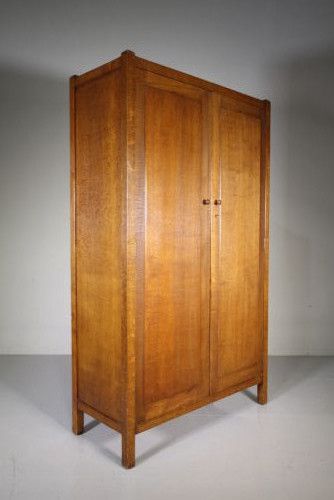
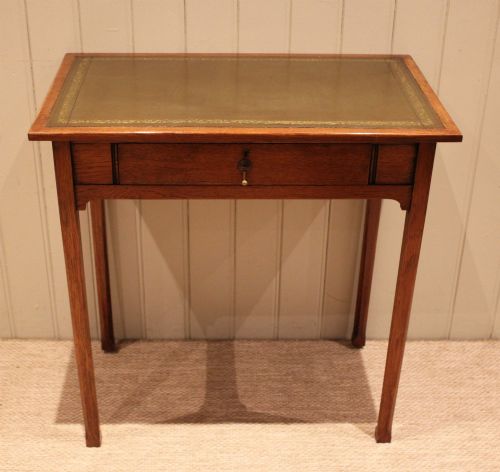
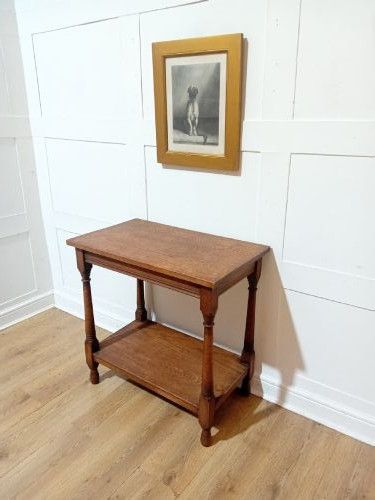
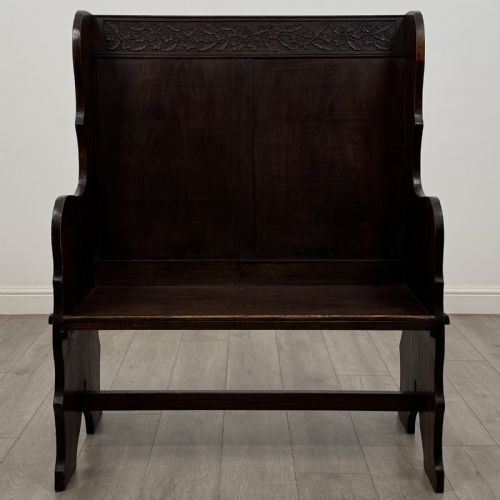
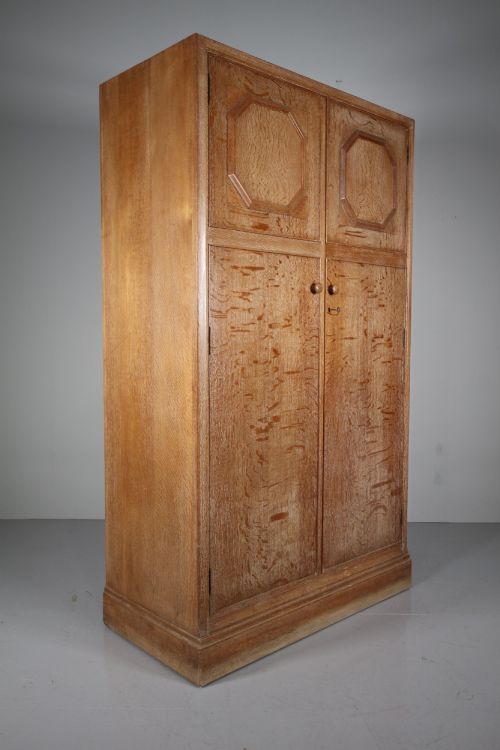
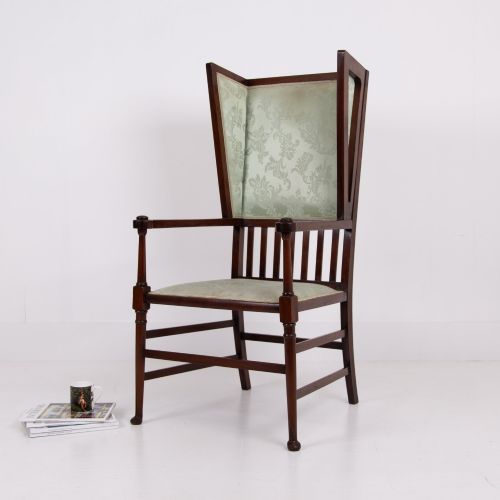
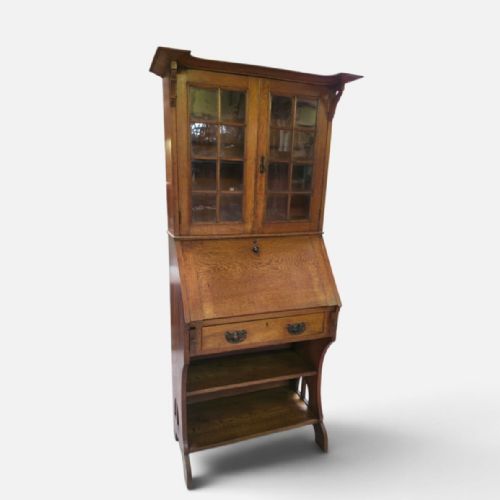
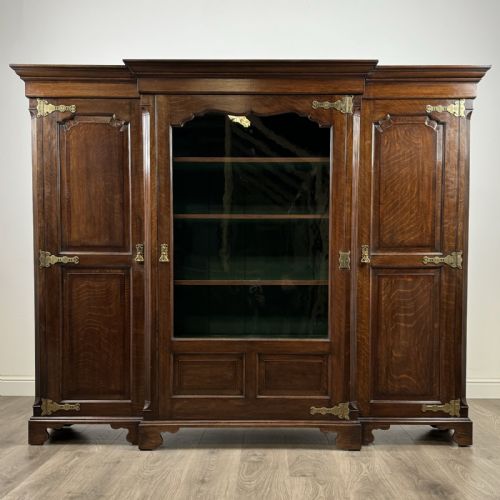
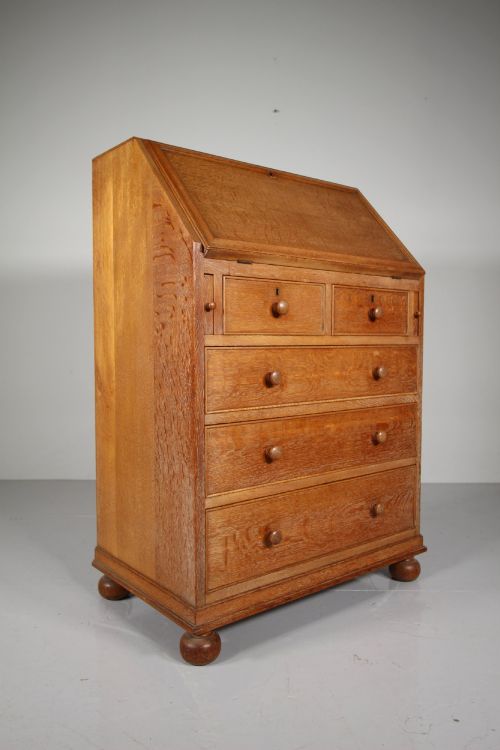
When searching for crafts oak furniture, buyers encounter items rooted primarily in the Arts and Crafts, Edwardian, and Aesthetic Movement periods spanning the late nineteenth and early twentieth centuries. These pieces encompass practical household furnishings such as side tables, desks, bookcases, armchairs, and wardrobes.
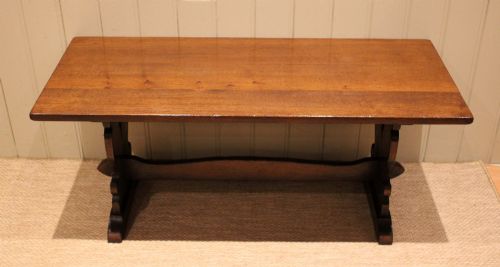
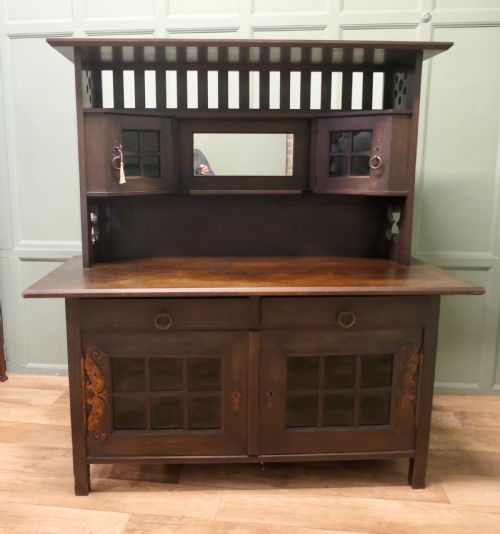
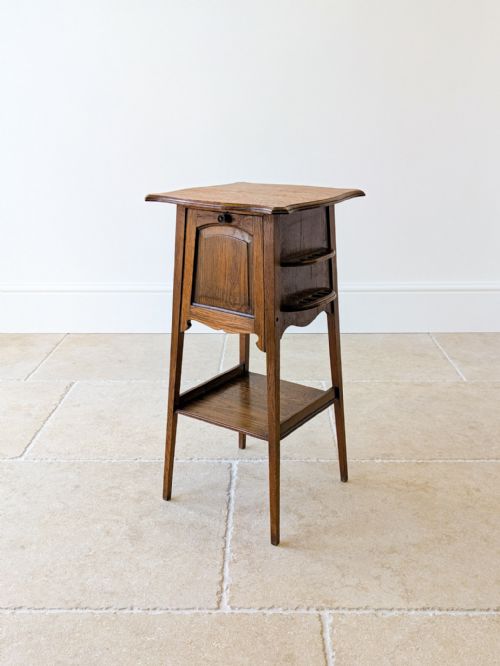
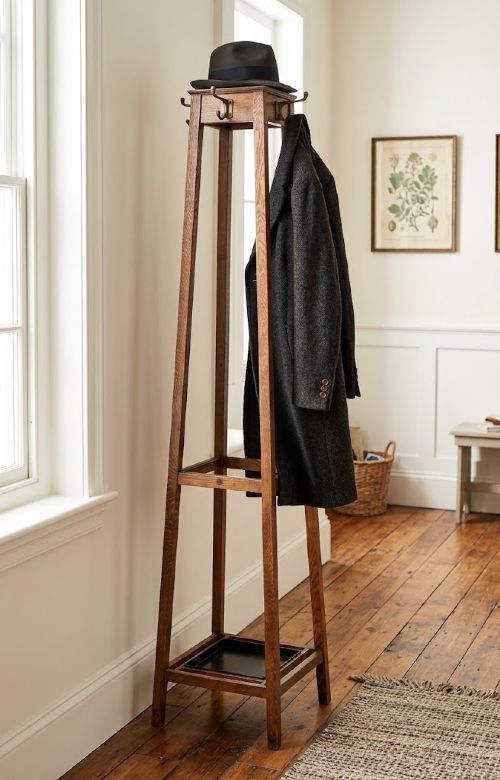
The version most commonly met on this page is the solid oak utility or living space item, often featuring straightforward joinery, carved details, or metal hardware in brass. Objects range from small occasional tables and purdoniums to larger sideboards, hall stands, and dining chairs.
Origins heavily reflect early twentieth century and late nineteenth century British workshops, cabinet makers, and retail houses. Forms demonstrate a strong emphasis on utility combined with decorative restraint, moving away from heavy Victorian ornamentation towards simpler geometric or organic lines.
How they were made
Construction relies heavily on solid oak, frequently paired with secondary materials such as brass for handles, glass for cabinet doors, ceramic inserts, and occasional wood inlay or fabric elements. Artisans utilised durable framing techniques, visible tenons, and waxed or polished finishes to highlight the natural grain of the wood.
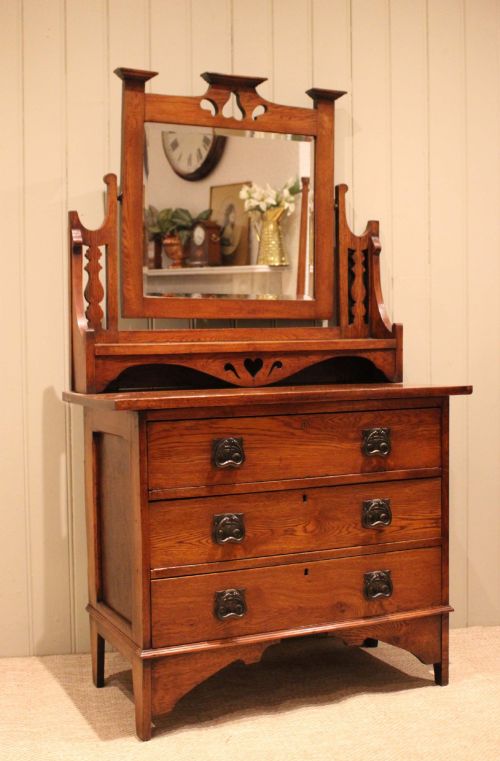
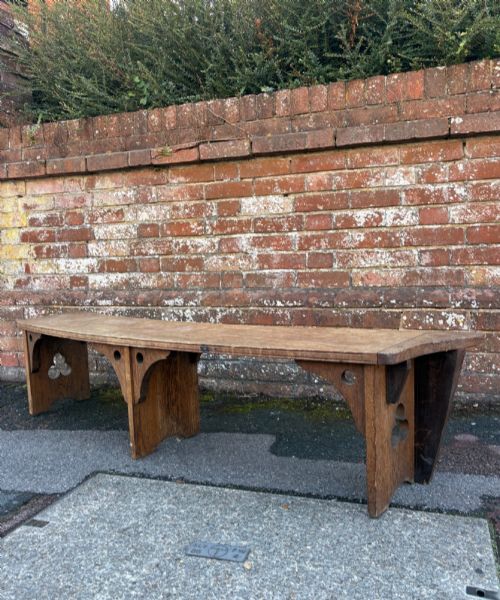
Decorative touches on these items include floral carving, trefoil cut-outs, decorative door panels, and copper or brass hardware. Certain seating variations incorporate rush for the seats, while specialist display pieces integrate tiled tops or mirrored sections.
Crafts Oak Furniture Retail Price Guide 2026
Typical asking prices for crafts oak furniture among the pieces listed under this phrase on Sellingantiques today, from the lower quarter to the upper quarter. They describe what is for sale here now, not the wider market.
Listings feature oak, brass, glass, metal, ceramic, fabric, and wood inlay across Edwardian and early twentieth-century periods.
What varies in quality
Quality differences stem from the presence of maker attribution, such as paper labels or stamps from established retailers and workshops, versus uncredited provincial work. The precision of hand-carved motifs and the choice of hardware also distinguish standard production items from workshop highlights.
The integrity of the timber selection itself, separating solid oak construction from veneered alternatives, shapes the longevity and tactile presence of each table, cabinet, or chair. Proportion and balance in the original design further elevate certain examples above simpler utility items.
Leonard Wyburd for Liberty·John Moyr Smith·Finnigans·Shapland & Petter·GM Elwood for JS Henry·Morris and Co·Jack Grimble
The Crafts Oak Furniture Glossary
- Purdonium
- A specialised household cabinet designed to hold coal near a fireplace. It typically includes an internal metal liner and a slanted drop-front door.
- Settle
- A wooden bench featuring a high solid back, often with arms and a lift-up seat storage compartment beneath. This form dates back centuries but saw a revival in Arts and Crafts interiors.
- Refectory table
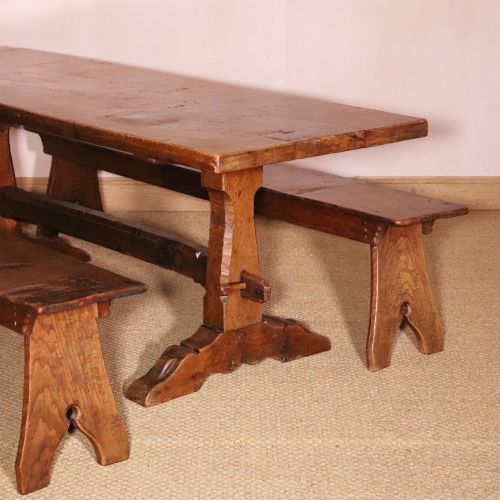
- A long dining table traditionally used for communal meals, characterised by substantial legs connected by a stretcher. In later iterations, it utilises golden oak planks.
- Buttery hutch
- A form of storage cabinet or wardrobe originating from utilitarian domestic spaces. These units provide deep enclosed shelving for household goods.
- Aesthetic Movement
- A late nineteenth-century design ethos prioritising visual beauty and craftsmanship over moral or narrative purpose in art and furniture. It influenced early oak cabinet design.
Crafts Oak Furniture: Frequently Asked Questions
What defines crafts oak furniture?
These items are characterised by solid oak construction, visible honest joinery, and stylistic influences from the Arts and Crafts movement.
They emphasise utility, functional design, and natural wood grains over excessive ornamentation.
How do I identify a maker's mark?
Many pieces carry paper labels, brand stamps, or carved signatures on the reverse or inside drawers.
Prominent retailers and designers often marked their output discreetly on structural woodwork.
How should I care for oak furniture?
Maintain the finish by applying natural wax periodically and avoiding placement near direct heat sources.
Keep surfaces dry and clean with a soft cloth to preserve the historic patina.
Are these pieces suitable for modern homes?
Their practical forms and sturdy construction make them highly functional for contemporary living spaces.
They integrate easily into hallways, studies, and dining rooms as storage or seating.