



Craft Oak Pedestal Table
A craft oak pedestal table brings honest construction and solid timber into a room, offering a sturdy surface shaped by traditional woodworking methods.
Craft Oak Pedestal Table
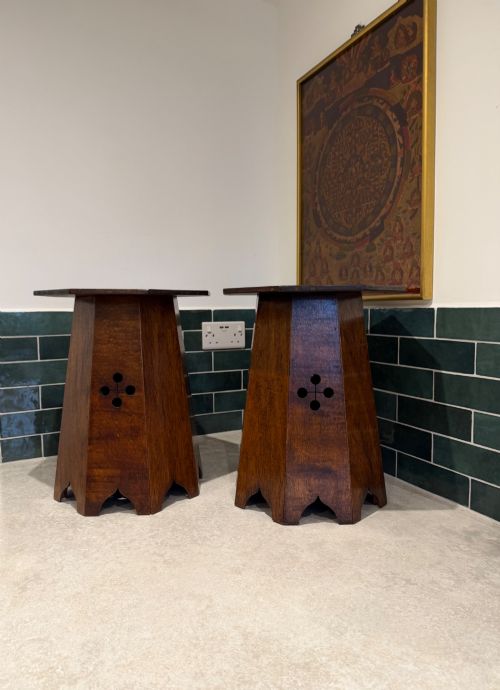
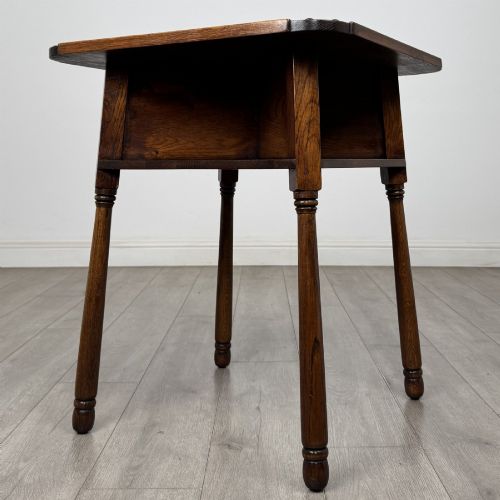
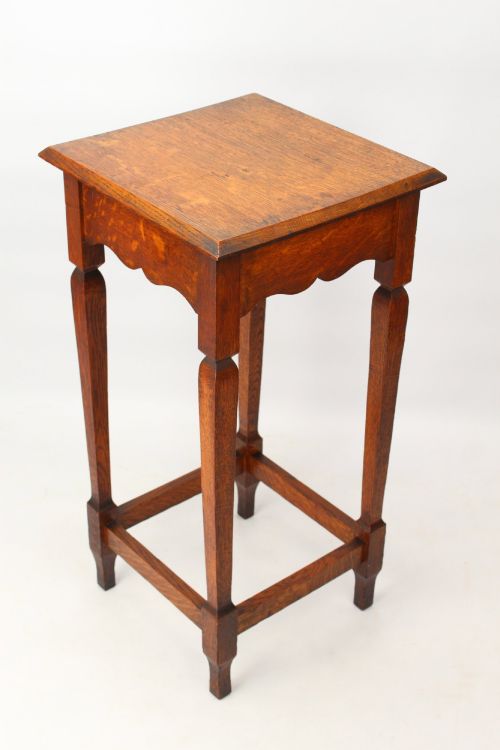
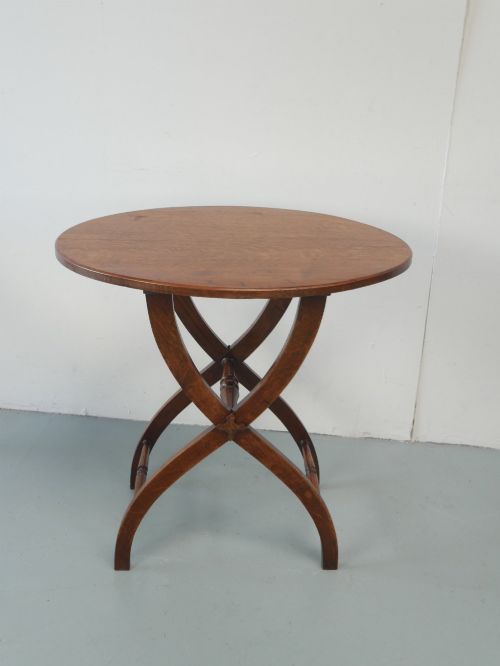
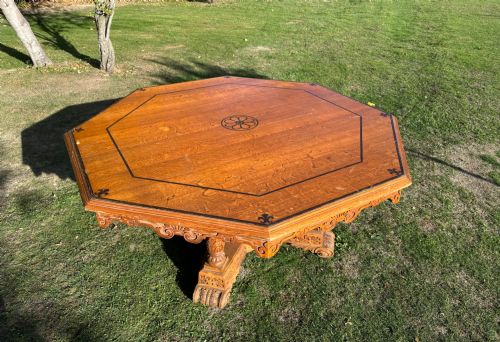
When searching for a craft oak pedestal table, buyers encounter functional pieces originating primarily from the Victorian, Edwardian, and 1930s periods. These items typically manifest as plant stands, lamp tables, or occasional tables rooted in the Arts and Crafts and Cotswold School movements.
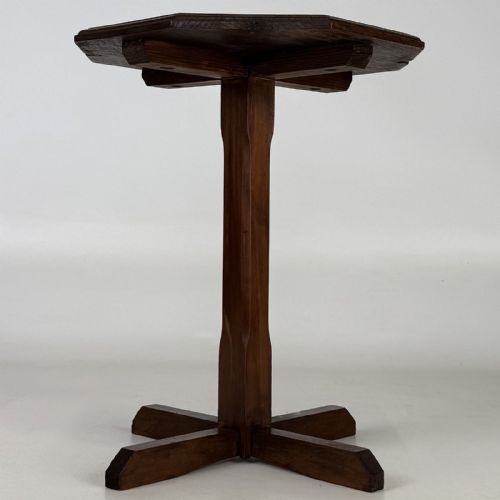
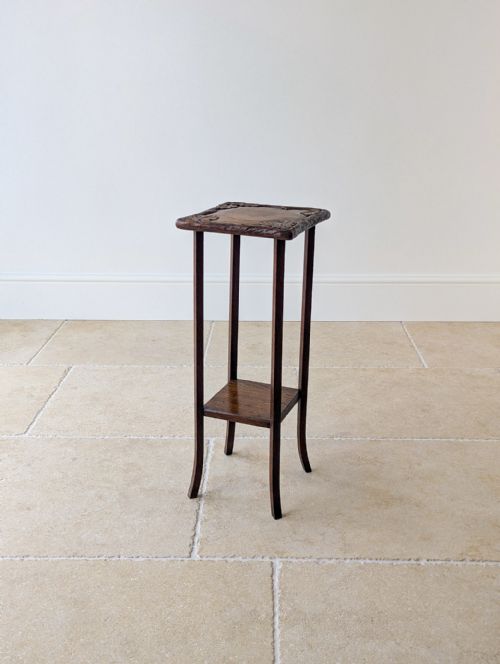
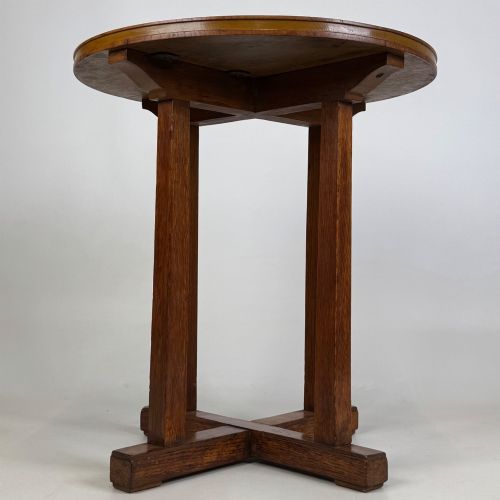
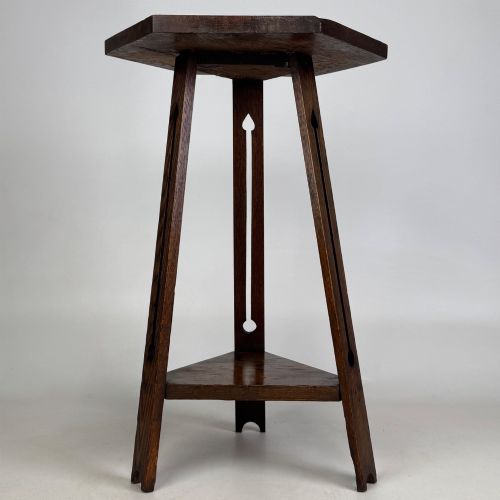
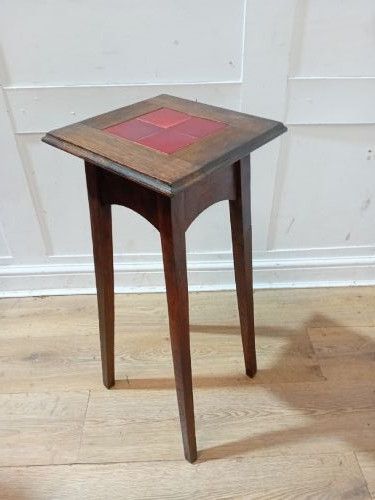
The most common form on this page is the compact lamp or plant stand featuring a central column supporting an octagonal, hexagonal, or round top. Many incorporate pegged joints, tiered shelves, and carved wooden details that reflect a handmade ethos.
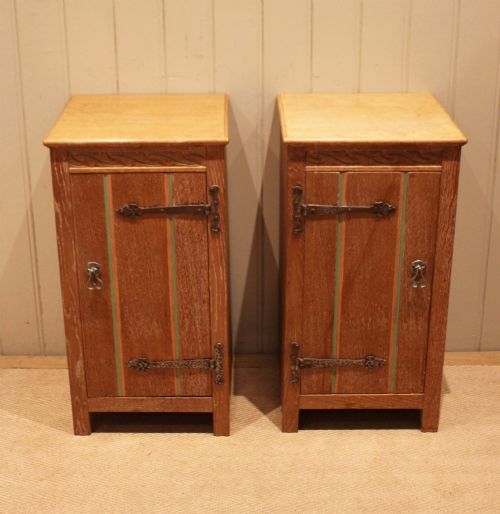
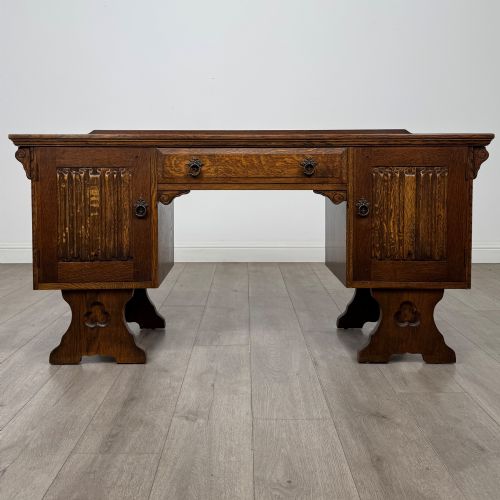
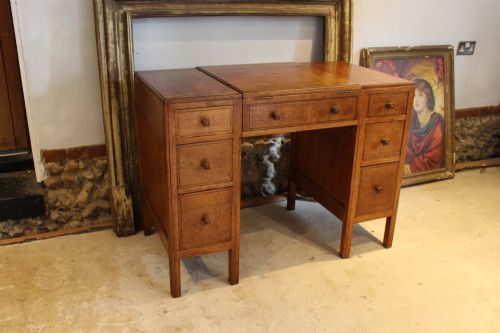
Beyond simple stands, the selection includes larger variants such as pedestal desks and occasional tables. These pieces utilise solid oak to create enduring utility within domestic spaces.
How they were made
Makers constructed these tables predominantly from solid oak, sometimes utilising limed finishes or ebonised wood to alter the natural grain appearance. Metal accents such as brass and wrought iron appear on specific fixtures and fittings.
Construction relies heavily on traditional joinery techniques, notably pegged tops and carved decoration. Cabinetmakers shaped the timber by hand, often employing linenfold carving or fruiting vine motifs to adorn the surfaces.
Craft Oak Pedestal Table Retail Price Guide 2026
Typical asking prices for craft oak pedestal table among the pieces listed under this phrase on Sellingantiques today, from the lower quarter to the upper quarter. They describe what is for sale here now, not the wider market.
Carved twig tables from the nineteenth century bring the unpredictable shapes of the woodland directly into the Victorian parlour.
What varies in quality
The distinction between standard items and superior examples lies in the depth of hand-carving and the complexity of the timber preparation. Tables exhibiting crisper linenfold panels or more deliberate pegged joinery demonstrate a higher level of workshop execution.
Design ambition also separates the range, with simpler utilitarian plant stands sitting below architecturally styled occasional tables and pieces attributed to known schools of design. The selection of solid timber stock and the integrity of the central pedestal structure govern the overall standard.
Baillie Scott·Shapland & Petter·Heal & Sons
The Craft Oak Pedestal Table Glossary
- Pegged top
- A tabletop secured to its base using wooden dowels or pins rather than modern metal screws. This traditional method allows the solid oak to expand and contract with seasonal humidity changes.
- Arts & Crafts
- A design movement spanning the late nineteenth and early twentieth centuries that valued traditional craftsmanship, simple forms, and visible construction methods over mass production.
- Cotswold School
- A twentieth-century English craft movement centred around artisanal furniture making using local woods, particularly oak, with an emphasis on hand-tooling and honest design.
- Linenfold
- A style of relief carving used on wooden panels to imitate folded fabric or linen. It is frequently seen on cabinets and desks from these periods.
- Jardiniere stand
- A tall, slender pedestal table specifically designed to hold a plant pot or floral display bowl. These stands often feature multiple tiers or raised galleries.
Craft Oak Pedestal Table: Frequently Asked Questions
How do I date an oak pedestal table?
Dating relies on observing construction details, timber preparation, and stylistic markers such as Arts and Crafts or Gothic Revival influences. Period evidence spans from Victorian times through the Edwardian era and into the 1930s.
Examine the underside and joints for evidence of hand-working or machine production. Pegged construction and specific carved motifs like linenfold often point towards the earlier decades of the twentieth century.
Where should I place a plant stand?
These compact stands suit corners, hallways, or beside seating where a vertical accent is useful. Their small footprints allow them to occupy tight spaces without cluttering a room.
Ensure the location protects the timber from direct heat sources and excessive moisture. This preserves the condition of the solid oak and any decorative carving.
Are these tables suitable for daily use?
Solid oak construction provides the durability required for everyday placement of lamps, books, or decorative objects. Their robust pedestals offer stable support across various domestic settings.
Routine maintenance involves dusting with a dry cloth and occasionally feeding the timber with suitable wax. Avoid using harsh chemical polishes that can damage the antique finish.
What defines the Cotswold School style?
The Cotswold School style is characterised by an honest approach to furniture making, prioritising visible hand-tooling and solid timber construction. Pieces from this tradition often feature unadorned surfaces that highlight the natural grain of the oak.
Furniture in this manner reflects a philosophy of durable, functional design created by skilled craftspeople. It stands apart from mass-manufactured items through its individual character and traditional joinery.