




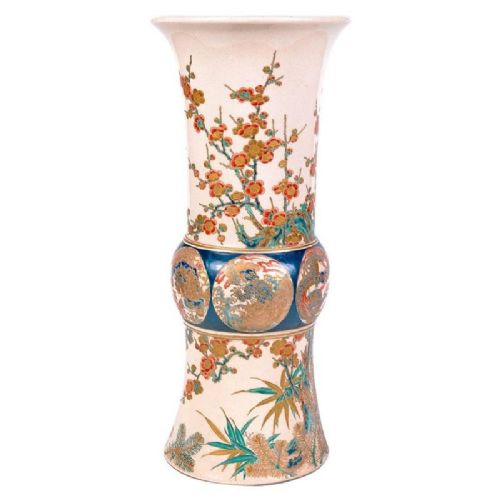

Crackled Ceramic Vessel
A crackled ceramic vessel brings a deliberate network of fine crazing to your room, offering centuries of East Asian and Middle Eastern artistry.
Crackled Ceramic Vessel
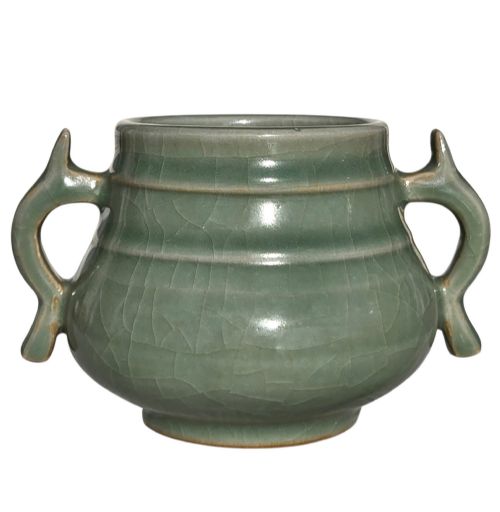
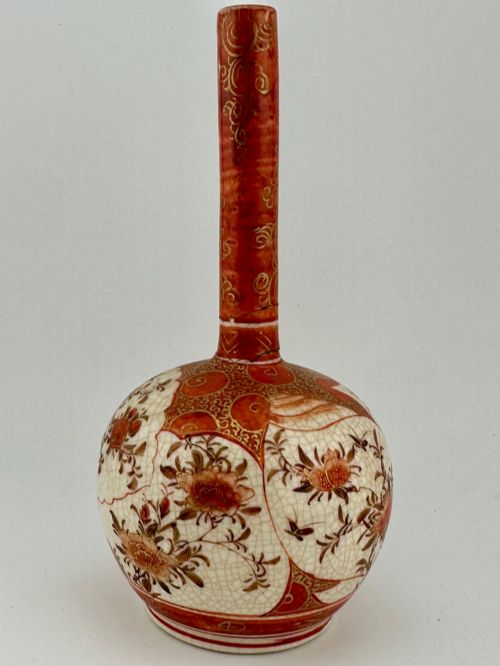
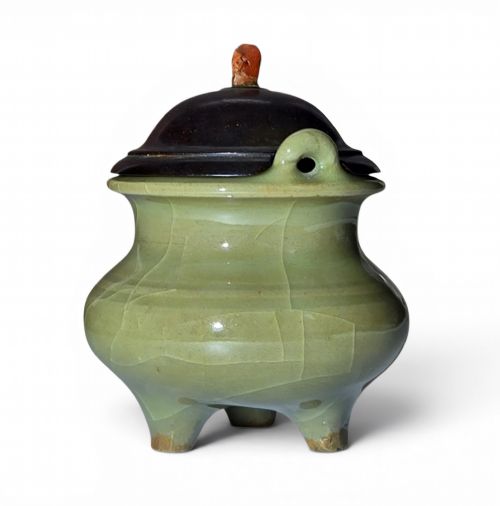
A crackled ceramic vessel encompasses forms designed to display intentional glaze crazing, ranging from archaic tripod censers to slender Japanese Meiji period bottle vases. When you search for a crackled ceramic vessel, you encounter items shaped as ginger jars, tea caddies, footed bowls, and decorative vases.
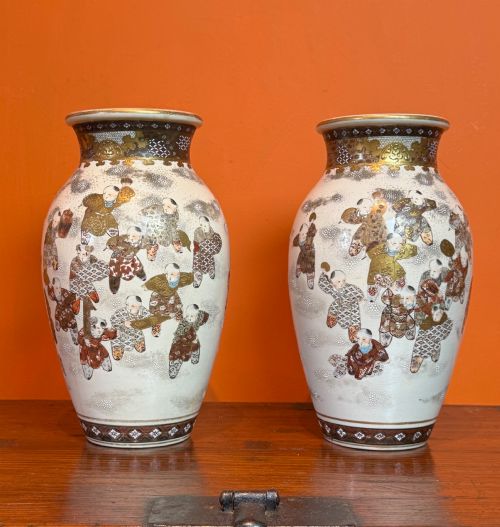
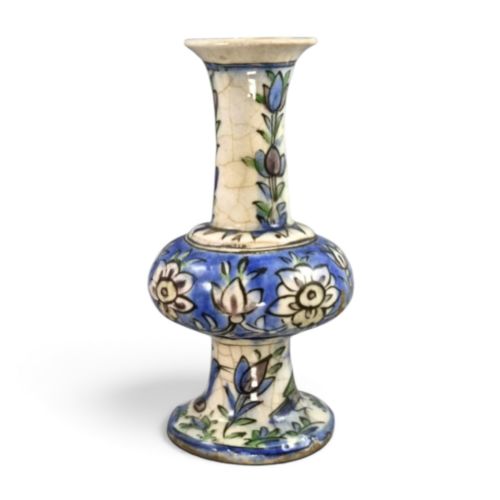
The selections span Chinese Qing and Ming dynasties alongside Japanese Satsuma workshops and Qajar Persian earthenware. Most examples you meet on this page originate from the 19th and early 20th centuries, executed in porcelain, earthenware, and celadon glaze.
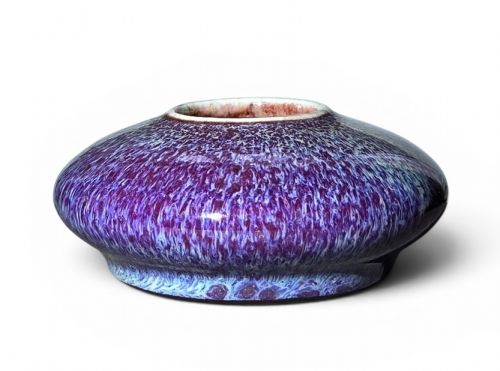
Vessels take many practical and decorative silhouettes, including hexagonal shapes, compressed brush washers, and long neck bottles. Each piece relies on the web of surface lines to provide visual texture and historical depth.
How they were made
Potters produced these pieces using ceramic and earthenware bodies coated in specialised liquid glazes. During firing, differential shrinkage between the clay body and the glaze layer caused the surface to fracture into distinct networks.
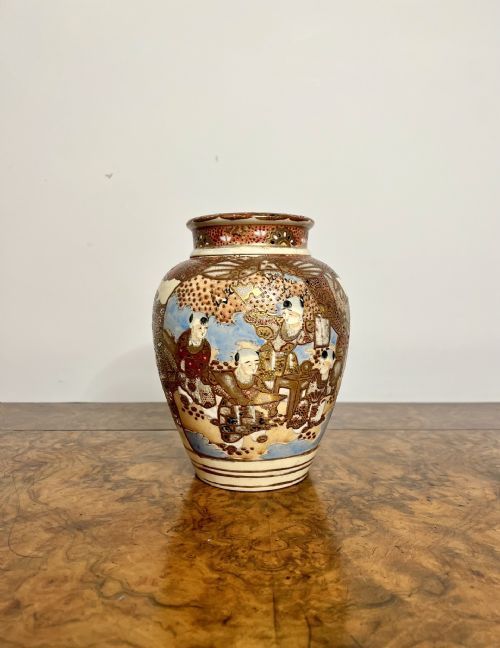
Artisans enhanced these microscopic fissures using dark staining agents or highlighted the designs with iron red and gold leaf enamel. Workshops in Kyoto and Tokyo applied meticulous hand-painted details alongside gilt figural processions over the crazed surfaces.
Crackled Ceramic Vessel Retail Price Guide 2026
Typical asking prices for crackled ceramic vessel among the pieces listed under this phrase on Sellingantiques today, from the lower quarter to the upper quarter. They describe what is for sale here now, not the wider market.
Listings feature earthenware, porcelain, and celadon glaze across periods spanning from the 17th century to the 20th century.
What varies in quality
Quality rests upon the control of the glaze contraction and the refinement of the underlying ceramic body. Superior pieces demonstrate an intentional, evenly distributed network of fine crackles that complements the form rather than masking structural flaws.
Artistic execution in the hand-painted enamels, gilding, and the precision of the potter's mark distinguish workshop standards. The harmony between the vessel shape and the density of the glaze determines the standing of the piece.
Chosei·Tokyo Taizan·Shozan·Kinkozan·Doulton Lambeth
The Crackled Ceramic Vessel Glossary
- Crazing
- A network of fine cracks in the ceramic glaze, intentionally induced during firing. This surface pattern forms the primary aesthetic characteristic of these vessels.
- Celadon
- A pale green or grey-green glaze applied over a ceramic body. It often conceals subtle crackle patterns beneath a translucent finish.
- Earthenware
- Porous pottery fired at lower temperatures than porcelain. It forms the base material for many Qajar Persian and European studio pieces.
- Enamel
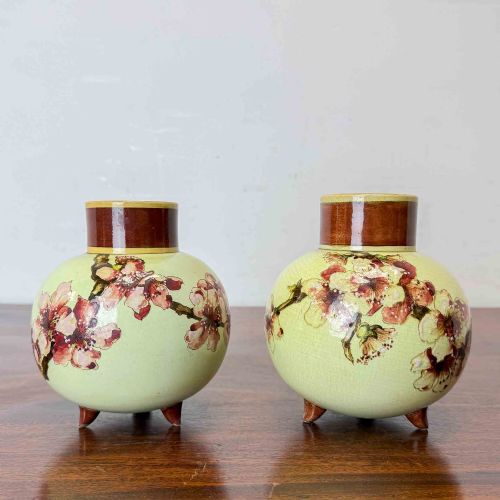
- Opaque glass fused to the ceramic surface through firing. Artisans use it to paint detailed figural scenes and floral motifs over the glaze.
- Censer
- A vessel designed for burning incense, frequently supported on three feet. These ritual objects often feature archaic stylistic references.
Crackled Ceramic Vessel: Frequently Asked Questions
What is a crackled ceramic vessel?
A crackled ceramic vessel is a piece of pottery or porcelain featuring an intentional network of fine glaze fractures. These objects span various forms, including ginger jars, vases, and incense burners.
Potters across different centuries produced these textures to add depth and historical character to the surface. The resulting crazing varies from subtle web patterns to prominent decorative lines.
How do I care for my vessel?
Clean your crackled ceramic vessel gently using a dry or barely damp soft cloth. Avoid harsh chemical cleaners that might penetrate the glaze fissures.
Keep the piece away from rapid temperature fluctuations and direct sunlight to protect the enamel and gold leaf decorations. Handle the item by its main body rather than delicate rims or handles.
How are different periods told apart?
Periods are identified by examining the specific glaze types, decorative motifs, and manufacturing techniques. For example, Meiji period Satsuma pieces often feature intricate hand-painted figures combined with heavy gilding.
Earlier Ming and Qing dynasty pieces display refined archaic forms with subtle celadon or Ge-type crackled surfaces. Maker marks and signature stamps also provide direct evidence of a piece's era.
Were these vessels used daily?
Many vessels served practical functions such as holding tea, storing herbs, or burning incense in domestic and ritual settings. Others were created purely as decorative objects for display.
Over time, objects shifted from utilitarian containers to prized collector items showcased in cabinets and living spaces. Their enduring appeal lies in this blend of utility and ornate artistry.