



Crackle Glaze Pottery Vase
A crackle glaze pottery vase brings distinctive surface crazing and hand-painted detail to any room, drawing the eye through intentional web-like patterns.
Crackle Glaze Pottery Vase
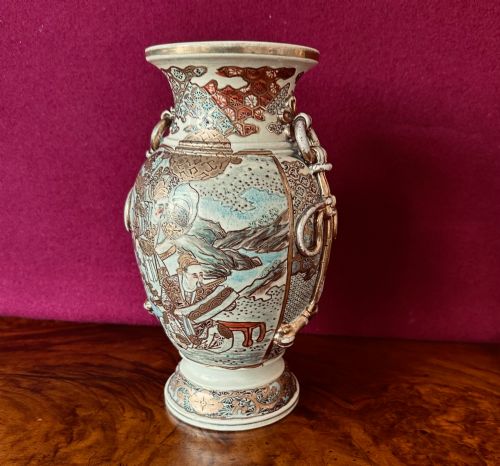
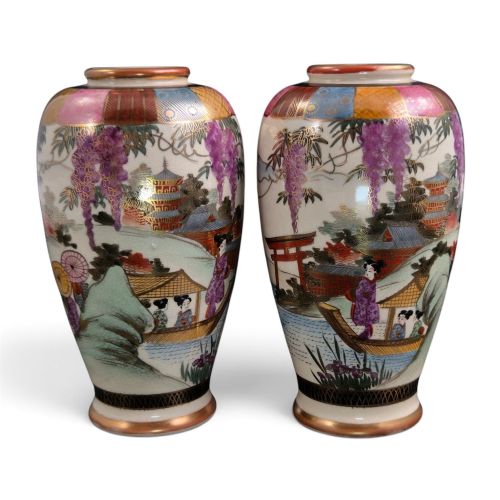
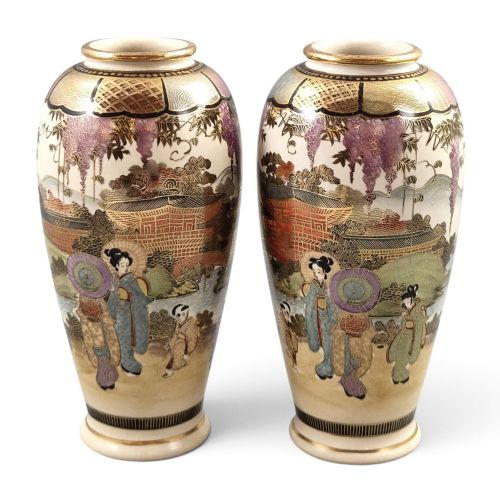
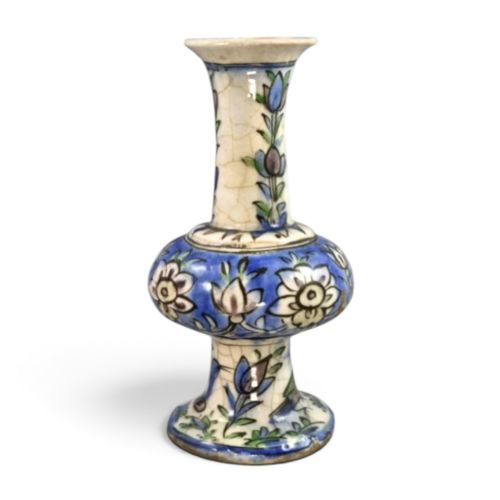
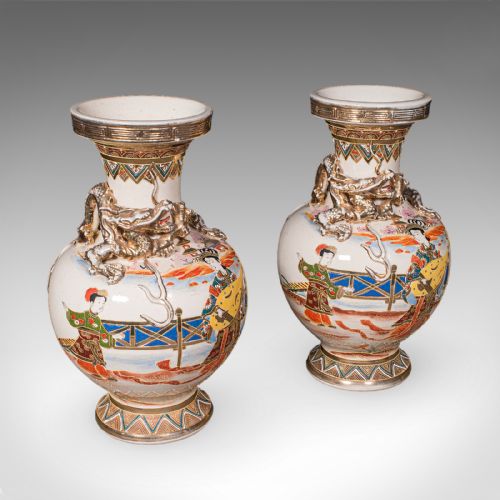
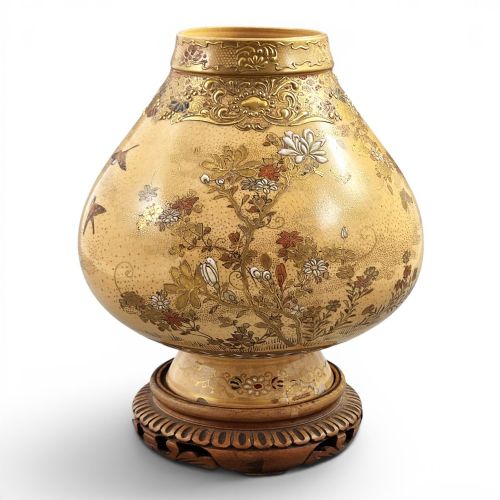
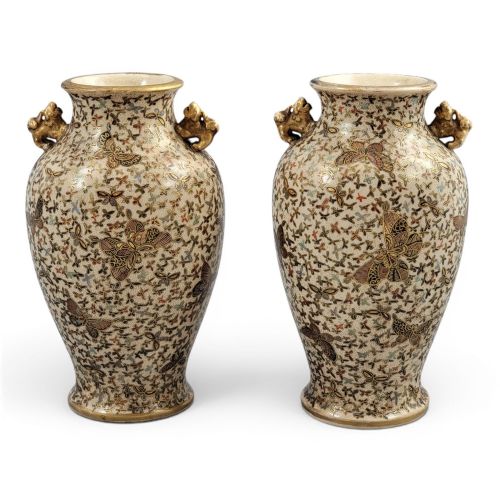
A crackle glaze pottery vase encompasses diverse historical pieces featuring characteristic network surface crazing. The examples found here span the nineteenth and twentieth centuries, originating from Japanese Meiji and Taisho periods alongside Persian and Chinese traditions.
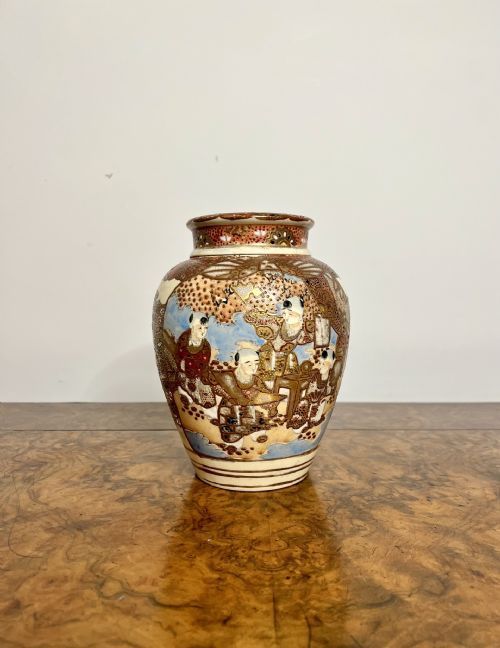
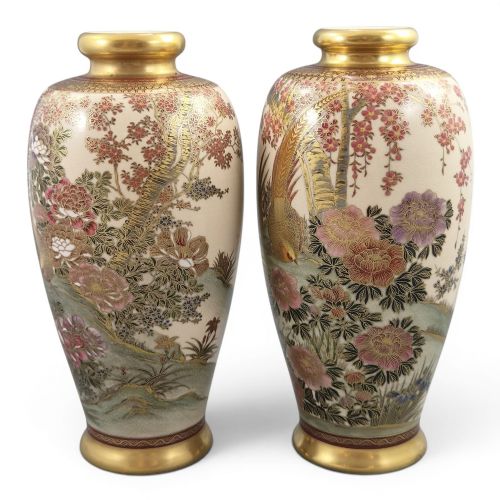
Buyers most frequently encounter Japanese Satsuma earthenware vessels painted with figures, landscapes, and floral motifs. These range from miniature cabinet pieces to monumental palace jars and pairs configured as table lamps.
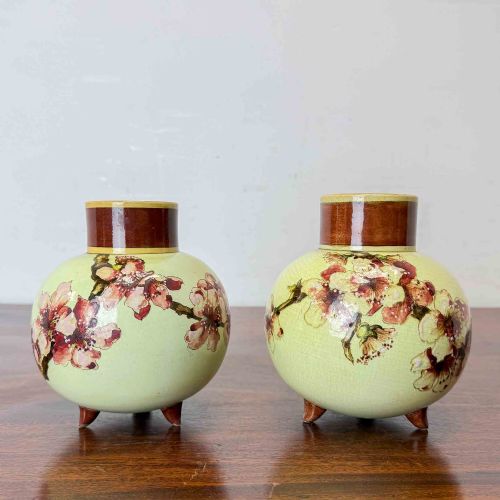
The form stretches from traditional baluster profiles and ginger jars to hexagonal vessels and tripod shapes. Earthenware and ceramic bodies dominate, often accented with enamel, gilt, and gold leaf.
How they were made
Potters achieved the characteristic surface network by intentionally varying thermal expansion rates between the clay body and the translucent glaze during cooling. Enamel pigments and raised moriage details were then applied over the fired surface, frequently requiring secondary low-temperature firings.
Gilt highlights and gold leaf were hand-painted onto the ceramic surface to frame intricate figural processions and natural scenes. Earthenware bodies provided a porous base that absorbed rich polychrome pigments, particularly in Kyoto and Satsuma workshops.
Crackle Glaze Pottery Vase Retail Price Guide 2026
Typical asking prices for crackle glaze pottery vase among the pieces listed under this phrase on Sellingantiques today, from the lower quarter to the upper quarter. They describe what is for sale here now, not the wider market.
Several miniature vases stand smaller than a teacup, painted with elaborate court scenes by artists who must have worked with a single-hair brush.
What varies in quality
Quality rests upon the precision and delicacy of the hand-painted brushwork governing figures, foliage, and gilding. Master workshops employed superior mineral pigments and finer clay bodies that retained structural integrity while supporting dense, controlled networks of crazing.
Proportion and balance dictate the aesthetic success of a piece, separating standard commercial production from signed works by notable makers such as Kinkōzan or Chosei. The clarity of the crackle pattern itself and the preservation of the original enamel and gold leaf determine the long-term desirability.
Shozan·Manpei·Kinkōzan Workshop·Kinzan·Chosei·Seiko-en Chokei·Choshuzan·Jissei·Yoshisada·Tashiro·Hattori·Hayakawa·Kinkozan
The Crackle Glaze Pottery Vase Glossary
- Moriage
- A Japanese ceramic technique using raised slip to create textured, three-dimensional decorative elements. This paste sits proud of the glaze, adding tactile depth to robes, flowers, and borders.
- Satsuma
- A type of Japanese earthenware originating in the Satsuma Province, traditionally characterised by an ivory-coloured, crackled glaze and elaborate polychrome enamel painting. It achieved massive popularity for export during the Meiji period.
- Baluster
- A vase form with a rounded body that tapers toward a narrow neck and flares slightly at the rim. The profile echoes architectural balusters found on staircases and balconies.
- Garniture
- A matching set of vases or jars designed to be displayed together on a mantelpiece or sideboard. These sets typically comprise three, four, or five graduated pieces.
Crackle Glaze Pottery Vase: Frequently Asked Questions
What causes the crackle in the glaze?
The crackle effect results from a deliberate mismatch in the contraction rates of the clay body and the glass glaze during the cooling process.
As the piece cools down in the kiln, the glaze contracts at a different rate than the underlying ceramic, causing microscopic fissures that are often enhanced with dark staining for visibility.
Are these vases watertight?
Most antique earthenware and Satsuma pieces are porous by nature and were created purely for decorative display rather than holding water.
Utilising them for fresh flowers risks staining the antique clay body through the crackle network, so dry floral arrangements or glass inserts are recommended.
How do I identify a Meiji period piece?
Meiji period ceramics are generally identified through characteristic Japanese aesthetic motifs, precise hand-painted polychrome enamels, and distinct signatures or workshop seals on the base.
They reflect the opening of Japan to Western trade, combining traditional local craftsmanship with forms designed for export markets.