





Covered Decorative Urn
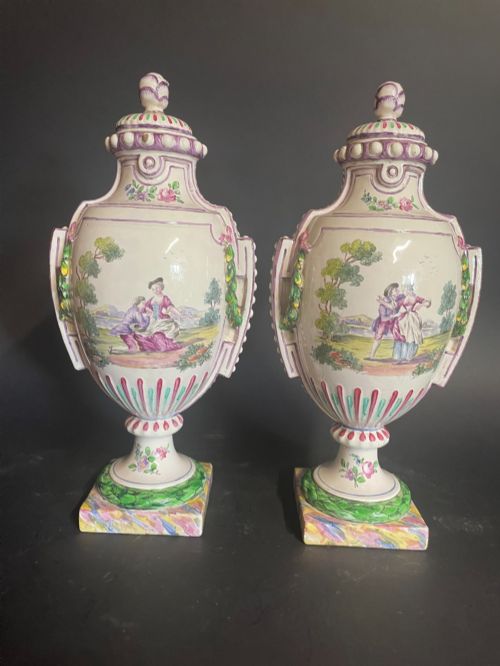
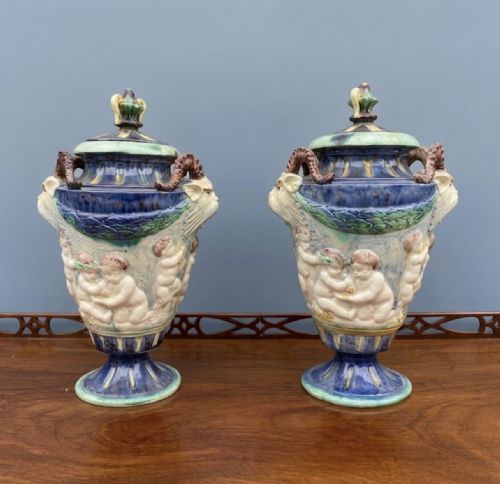
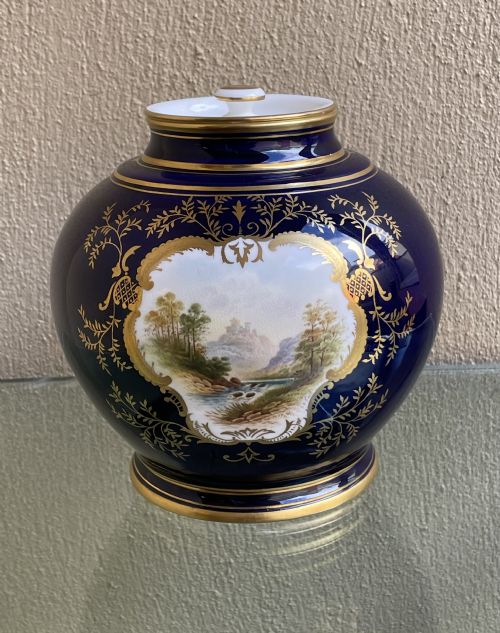
Covered decorative urn pieces span nineteenth-century porcelain and cloisonne enamel, offering striking focal points for period interiors.
Covered Decorative Urn
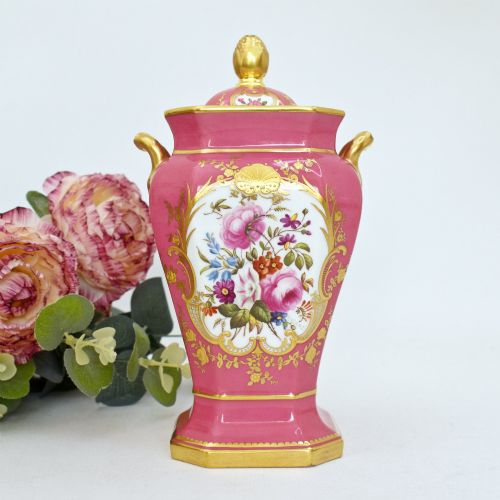
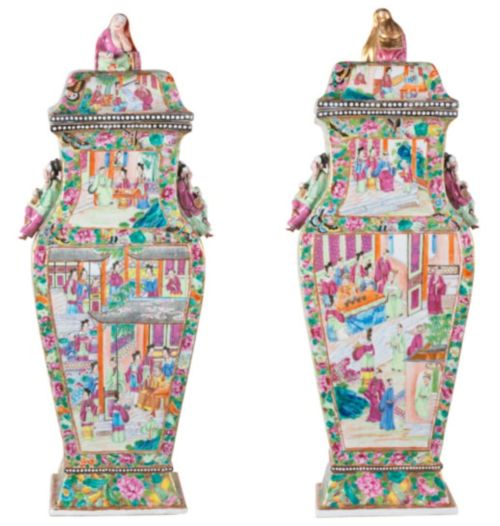
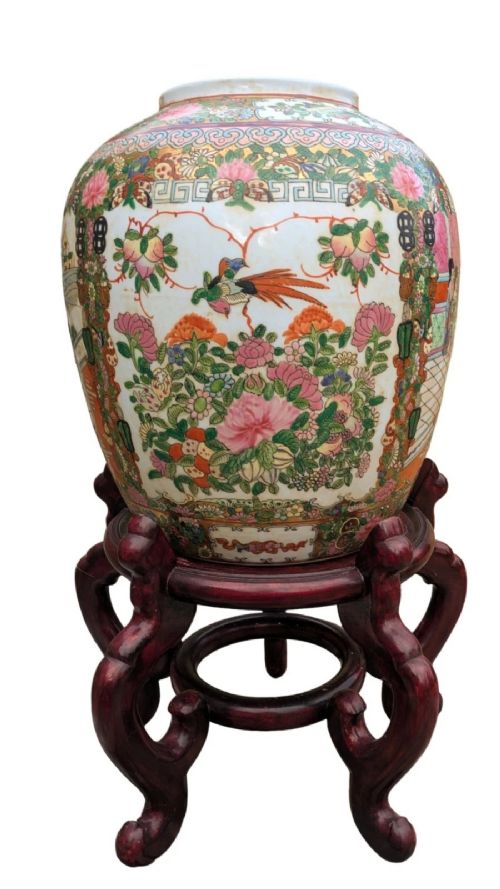
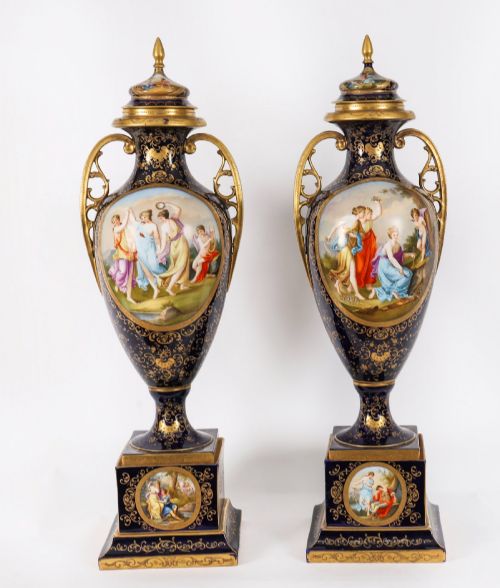
A covered decorative urn is a vessel designed primarily for display rather than utility, often taking the form of lidded vases, ginger jars, and pot pourri vessels. When searching for a covered decorative urn, buyers encounter diverse forms ranging from large porcelain garnitures to miniature Imari jars.
The pieces appearing here predominantly originate from the nineteenth century, encompassing Victorian, Edwardian, and Meiji periods alongside Regency and Art Deco examples. European factories and Japanese workshops alike produced these lidded forms for ornamental display in domestic interiors.
How They Were Made
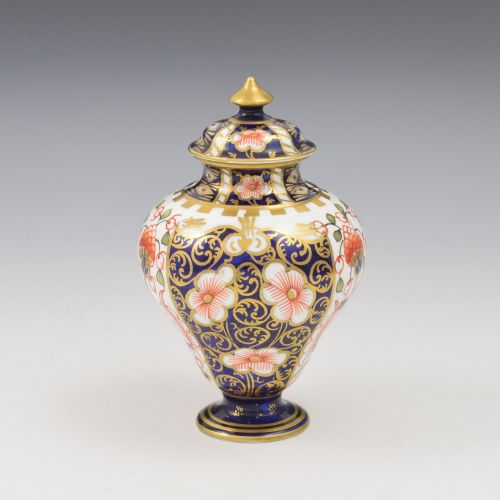
Pottery and porcelain dominate the material record, shaped via earthenware, ironstone, and fine china bodies, then finished with hand-painted glazes, blue transfer printing, or the Imari palette. Makers applied gold leaf and gilt bronze mounts to enhance the ceramic forms.
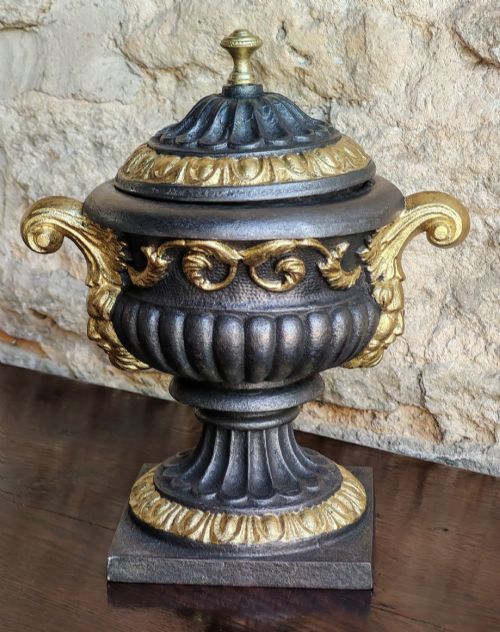
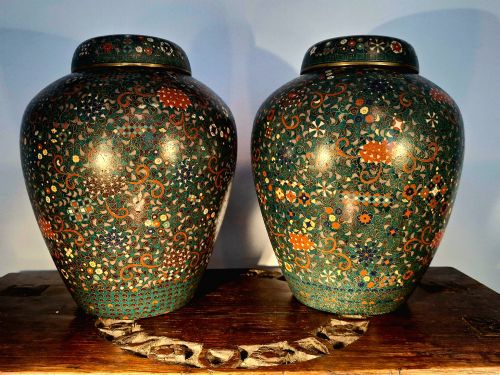
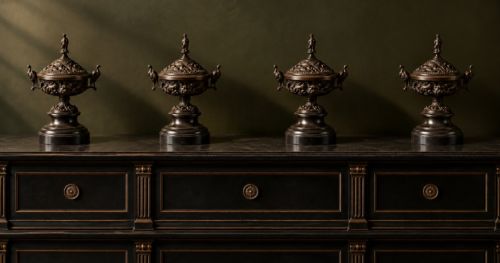
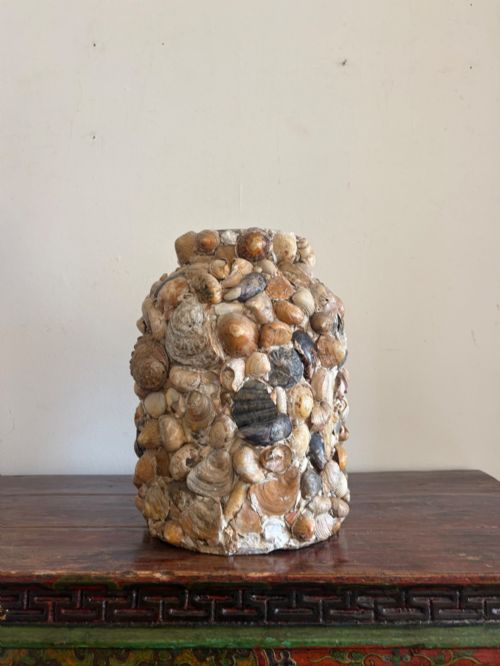
Metalwork pieces utilise bronze, brass, copper, and toleware, alongside Japanese cloisonne enamel on metal bases. Artisans also employed white marble and decorative shell work to construct distinct pedestal vases and cassolettes.
Covered Decorative Urn Retail Price Guide 2026
Typical asking prices for covered decorative urn among the pieces listed under this phrase on Sellingantiques today, from the lower quarter to the upper quarter. They describe what is for sale here now, not the wider market.
One exceptional nineteenth-century French creation incorporates delicate folk art shell decoration directly onto its jar body.
What Varies in Quality
Quality rests upon the precision of hand-painted detail and the crispness of applied gilding or bronze mounts. Pieces from established factories demonstrate superior control over ceramic firing and enamel work.
The integrity of the matching cover and the complexity of the decorative palette, whether elaborate Chinoiserie or intricate cloisonne mosaics, separate standard production from exceptional studio outputs.
Royal Vienna Porcelain·Jules Moigniez·Royal Crown Derby·Samuel Alcock·Royal Worcester·Mason s Ironstone
The Covered Decorative Urn Glossary
- Imari palette
- A traditional Japanese colour scheme utilising rich iron red, cobalt blue, and gold on a white ceramic ground. This style was widely emulated by European porcelain factories.
- Cloisonne
- A metalwork technique where thin wire partitions create compartments filled with coloured enamel pastes. These pieces are then fired and polished to a smooth finish.
- Pot pourri vase
- A lidded vessel specifically perforated to release the scent of dried flower petals and spices placed within. These often feature elaborate pierced ceramic covers.
- Garniture
- A set of matching vases or urns designed to be displayed together on a mantelpiece or sideboard. They typically comprise a central larger vessel flanked by smaller matching pieces.
- Toleware
- Painted or lacquered sheet metal items produced during the eighteenth and nineteenth centuries. The technique involves applying pigmented varnishes over metal bases.
Covered Decorative Urn: Frequently Asked Questions
What were covered decorative urns used for originally?
These lidded vessels served primarily as mantelpiece ornaments, garniture sets, or containers for dried scented petals. Wealthy households displayed them in reception rooms to demonstrate taste and refinement.
While some smaller examples held pot pourri, many large porcelain and bronze urns existed solely for visual symmetry and interior decoration.
How do I distinguish Japanese Meiji period pieces?
Meiji period items often feature distinct Japanese motifs such as birds, mosaics, or regional crests. Look for signature panels, Satsuma crackle glazes, or fine cloisonne wirework.
These pieces reflect the opening of Japanese trade in the late nineteenth century and the intense Western demand for Eastern craftsmanship.
Are the covers usually original to the urn?
Most listed examples retain their matching original lids, particularly in matched pairs and factory sets. Checking the interior seating and glaze continuity helps confirm the pairing.
Lids were frequently separated or lost over time, making intact covered jars notably desirable for collectors of nineteenth-century ceramics.
How do I care for antique porcelain and enamel urns?
Keep these decorative objects away from direct sunlight to prevent the fading of hand-painted enamels and gilt highlights. Dust gently with a soft dry brush rather than using liquid cleaners.
Bronze mounts and marble elements benefit from occasional gentle wiping with a lint-free cloth to maintain their surface patina.