

Countryside Landscape Wall Art
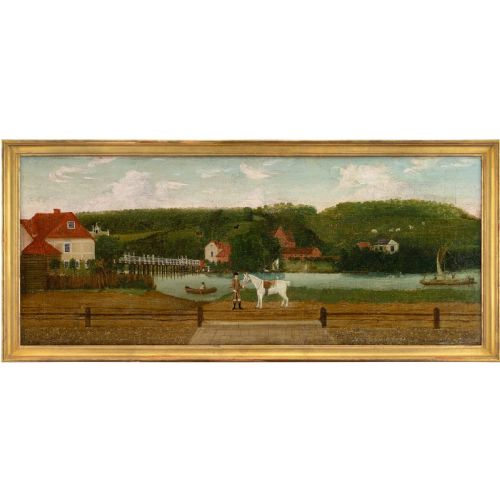
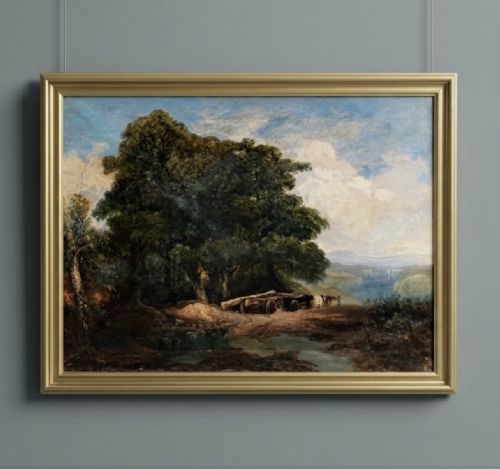
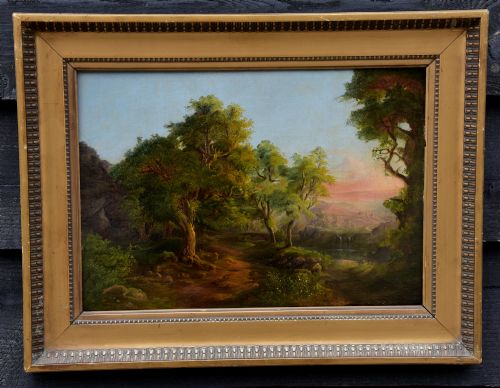
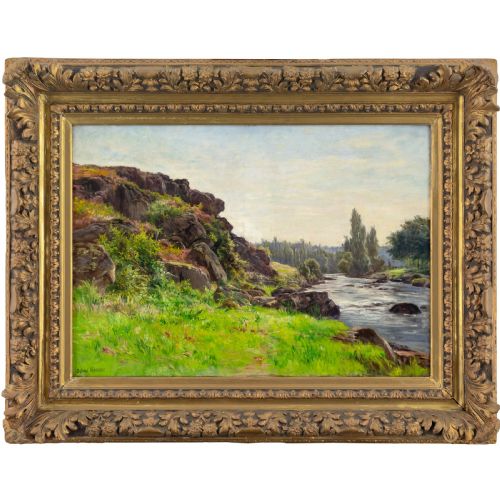
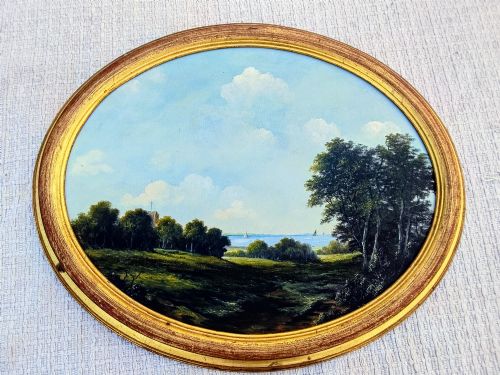
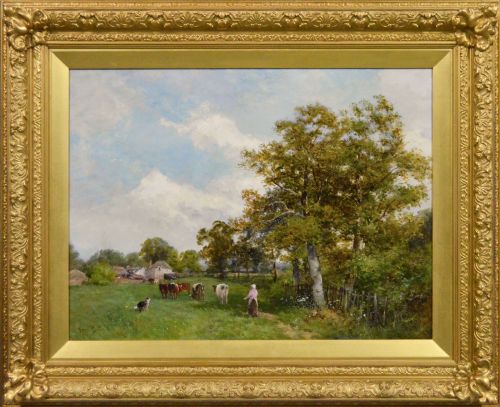
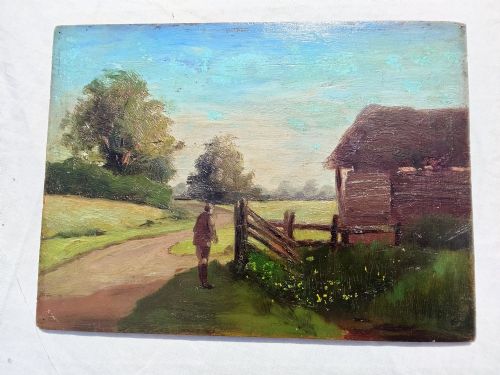
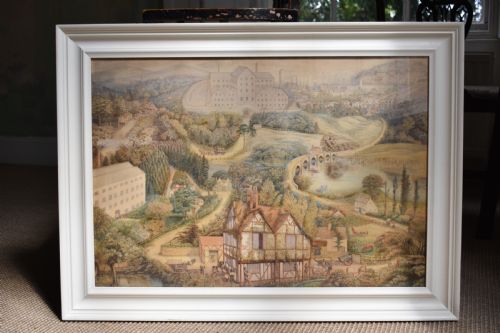
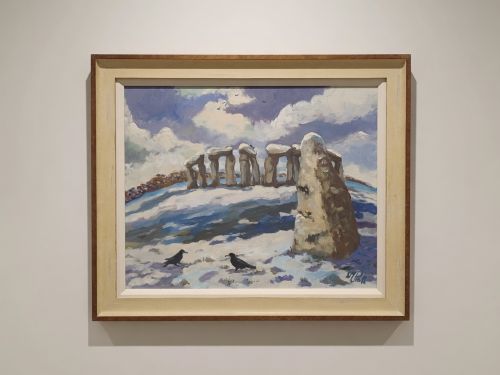
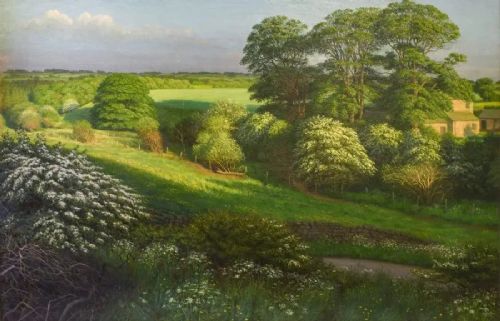
These countryside landscape wall art pieces capture pastoral scenes and river views, offering collectors a tangible connection to historical rural life.
Countryside Landscape Wall Art
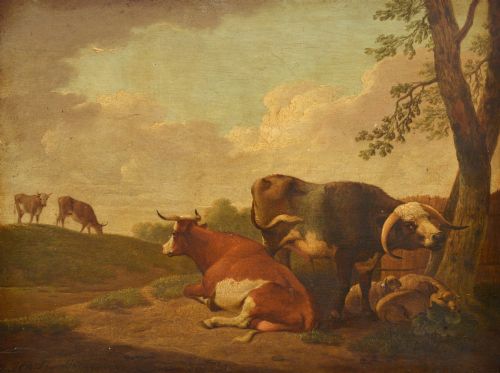
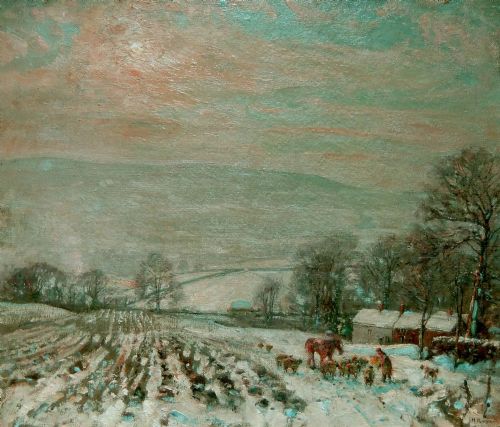
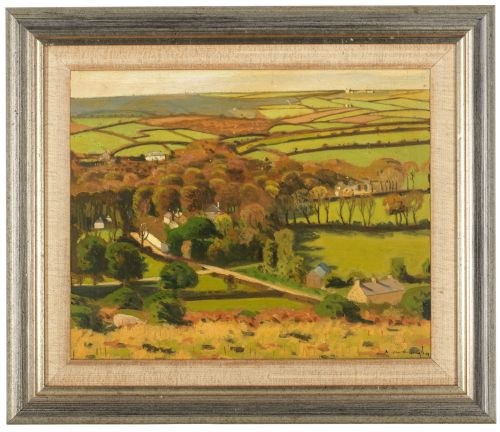
Countryside landscape wall art encompasses oil and watercolour paintings depicting rural settings, agricultural fields, and wooded valleys. These works range from Victorian pastoral compositions to early twentieth-century British and French impressionist interpretations.
Buyers frequently encounter nineteenth-century canvas and panel works executed by regional British school artists. Subjects span from river crossings and farm animals to coastal views and quiet village lanes.
The selection includes framed original works on paper, canvas, and wooden board spanning the Victorian era through the mid-twentieth century.
How They Were Made
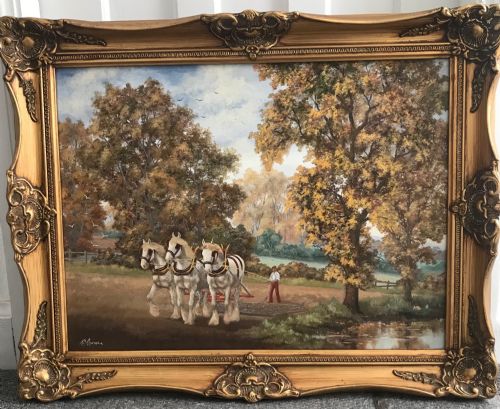
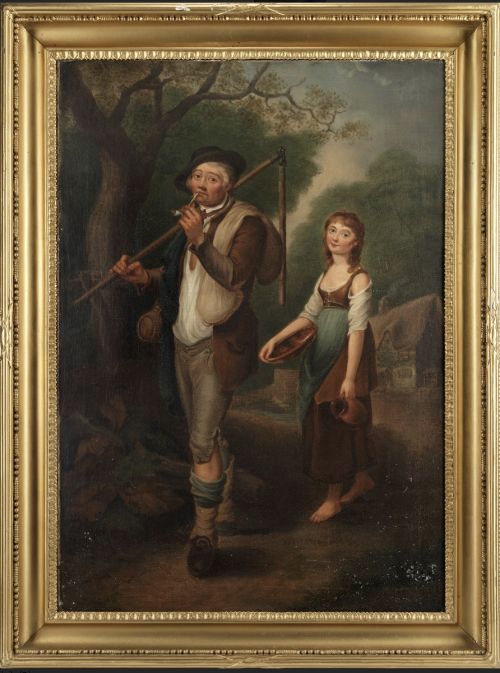
Artists utilised oil paint and watercolour applied to stretched canvas, wooden board, or heavy paper supports. Canvases are frequently housed within period gilt wood frames that complement the composition.
Brushwork varies from the tight control of nineteenth-century academic realism to the looser, textured application seen in British and French impressionist pieces.
Several canvases manage to squeeze stubborn shire horses and wandering sheep into the exact same muddy English field.
What Varies in Quality
Mastery of natural light, atmospheric perspective, and spatial depth distinguishes superior works from more formulaic topographical records. The handling of foliage, water reflections, and shifting weather reveals the primary hand of a skilled painter.
The integrity of the original surface, stability of the ground layer, and presence of a period-appropriate frame influence the overall preservation of the piece.
Richard Sebastian Bond·William H Myers·Herbert Royle·Robert Morson Hughes·David Bates·Ernest Higgins Rigg·Hubert Wellington·Owen Bowen
The Countryside Landscape Wall Art Glossary
- Oil Paint
- A slow-drying paint made from pigment suspended in a drying oil, typically linseed. This medium allows for rich colour blending and textured impasto application.
- Watercolour
- A painting method in which the paints are made of pigments suspended in a water-based solution. It produces transparent washes of colour on paper supports.
- Canvas
- A heavy woven fabric used as a surface for oil paintings, typically stretched over a wooden frame. It provides a durable and slightly flexible painting ground.
- Gilt Wood
- Wood that has been treated with a thin layer of gold leaf or metallic powder. These decorative frames often accompany nineteenth-century oil paintings.
Countryside Landscape Wall Art: Frequently Asked Questions
How do I identify a nineteenth-century landscape?
Look for traditional compositions featuring romanticized rural views, pastoral figures, and heavy gilt wood frames. The materials often include unlined canvas or wooden panels paired with nineteenth-century pigments.
Examining the stretcher bars, canvas weave, and any inscriptions on the reverse helps confirm the period of execution.
What is British Impressionism in art?
British Impressionism reflects the adoption of French plein air techniques by UK artists who focused on natural light and everyday rural scenes. These works display looser brushwork and brighter palettes than earlier Victorian academic paintings.
Artists working in this style prioritized capturing transient atmospheric effects over rigid topographical accuracy.
How should I care for antique oil paintings?
Keep paintings away from direct sunlight, extreme temperature fluctuations, and high humidity to prevent canvas warping and paint cracking. Dust the surface very gently with a soft, dry brush without applying pressure.
Avoid using liquid cleaners or attempting home restorations on aged oil paint or delicate wooden frames.
Are watercolours as durable as oils?
Watercolour paintings require protection behind glass to shield the paper and pigments from atmospheric moisture and airborne pollutants. When kept out of direct sunlight, they retain their delicate tones for generations.
The paper support makes them more sensitive to environmental changes than oil paintings on canvas.