
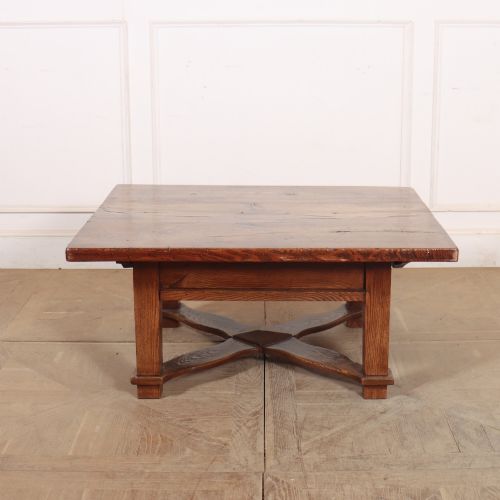


Country Wooden Tea Table
A country wooden tea table brings straightforward utility and rustic warmth to a room, drawing on centuries of domestic craft in solid timber.
Country Wooden Tea Table
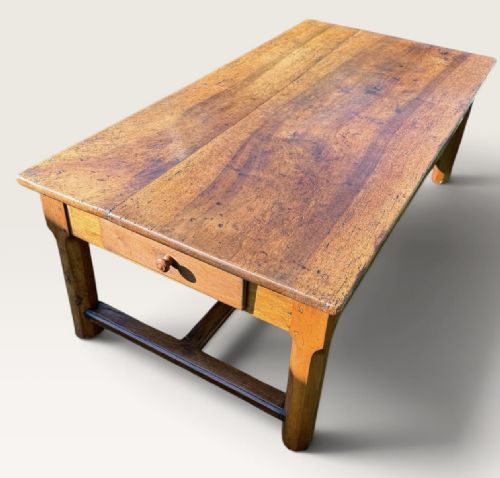
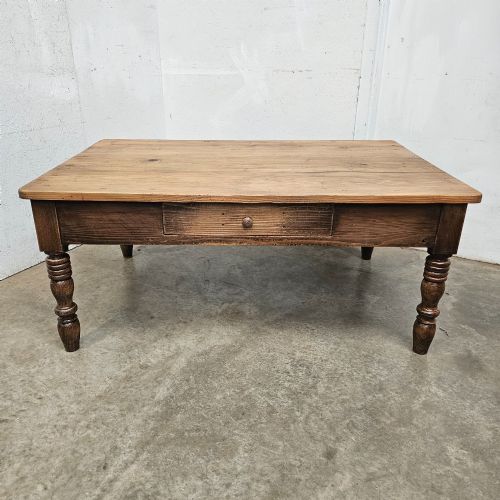
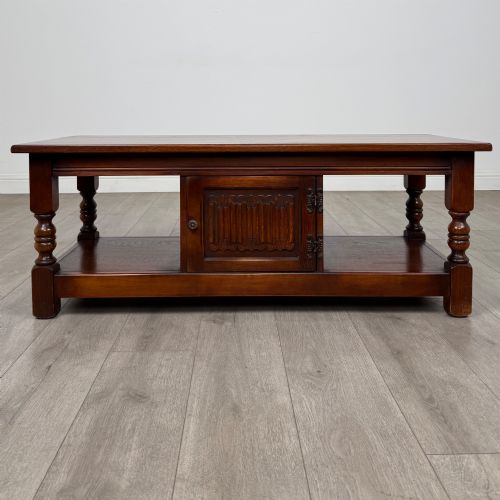
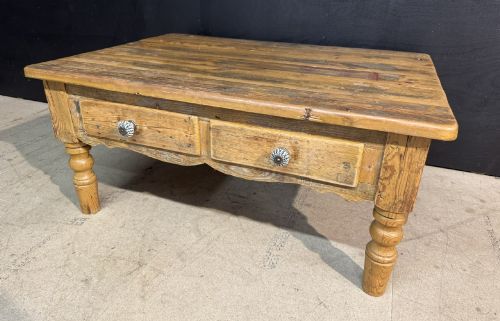
A country wooden tea table represents a practical domestic form shaped by regional traditions across Britain, France, Scandinavia, and Austria. When searching for a country wooden tea table, buyers encounter low tables, occasional pieces, and tripod designs spanning the eighteenth, nineteenth, and early twentieth centuries.
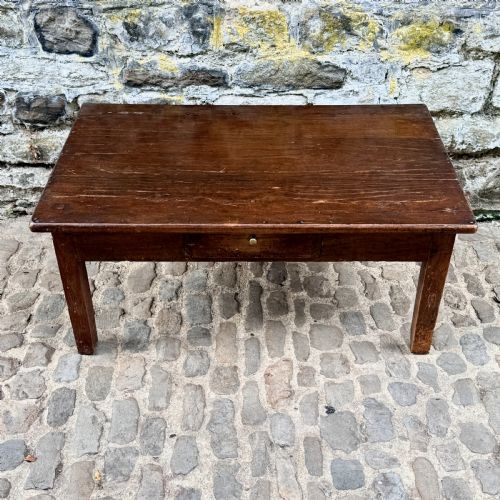
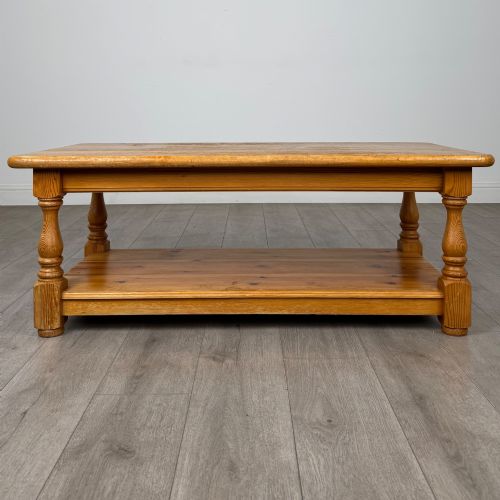
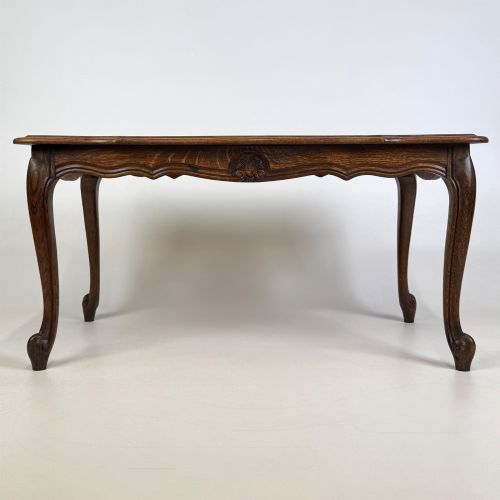
The selection ranges from sturdy pine and elm farmhouse tables to walnut and cherrywood tripod designs made in Georgian and Edwardian eras. These pieces often feature turned legs, drop leaves, or tilt tops suited to simple daily use rather than formal entertaining.
Materials and construction
Carpenters relied on local timbers such as oak, pine, elm, cherrywood, and walnut, often combining woods like sycamore and ash within a single piece. Surfaces frequently show the marks of hand-planing, while legs demonstrate turning techniques including bobbin and plain turnings.
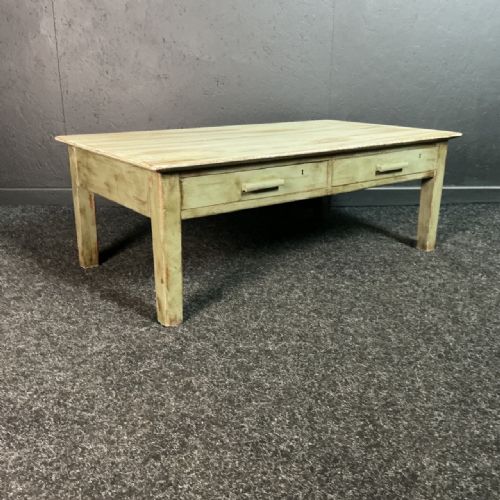
Construction methods prioritize utility, utilising peg joints, tripod bases, and occasional painted finishes. Tables designed with drawers or drop leaves incorporate straightforward hinges and runners suited to everyday service.
Some nineteenth-century tables arrived from remote rural workshops where makers simply used whichever local fruitwood happened to be lying behind the shed.
Assessing build and survival
Quality rests in the integrity of the timber and the honesty of the construction, where tighter grain and heavier boards denote superior stock. The retention of original painted surfaces or untouched patination elevates a piece above later stripped examples.
Structural stability in joints and the absence of clumsy repairs dictate the lasting worth of these items. Tables that retain their original turning, tilt mechanisms, and fittings present a more complete historical record.
The Country Wooden Tea Table Glossary
- Tripod Table
- A small freestanding table supported by a central pillar and three legs. This form gained popularity in the eighteenth century for serving tea or holding light objects.
- Cricket Table
- A small, lightweight table typically featuring three splayed legs and a round wooden top. The design provided stability on uneven stone floors in early cottages.
- Tilt Top
- A table mechanism allowing the top to pivot vertically when not in use. This clever space-saving feature appeared frequently on eighteenth-century occasional tables.
- Drop Leaf
- A table fitted with hinged flaps that fold down to reduce the footprint. This allowed furniture to sit compactly against a wall until extra surface area was required.
- Bobbin Turning
- A type of lathe-turned furniture leg resembling a string of wooden beads or bobbins. It is a decorative detail frequently found on seventeenth and nineteenth-century pieces.
Country Wooden Tea Table: Frequently Asked Questions
How were these tables used?
These tables served practical daily functions in domestic interiors, holding tea equipment, reading materials, or lighting. Their modest scale allowed them to move easily around a room as needed.
Many designs incorporated folding tops or drop leaves to adapt to smaller spaces, functioning as work surfaces or casual serving points during family gatherings.
How do I care for antique timber?
Protect the wood by keeping tables away from direct heat sources and sudden temperature fluctuations. Regular dusting with a soft cloth maintains the finish without stripping natural oils.
Apply traditional beeswax occasionally to nourish dry timber and preserve the historic surface patination accumulated over generations of use.
Are painted finishes original?
Many regional pieces feature early or original paint layers applied to protect cheaper softwoods like pine. Close inspection of the surface reveals wear patterns, craquelure, and pigment depth consistent with age.
Later overpainting often obscures the underlying timber and wear, so distinguishing between original coats and subsequent decoration remains essential for dating.
How do I distinguish between periods?
Eighteenth-century examples often display refined tripod bases, cherrywood construction, and cabinet-maker joinery associated with Georgian styles. Nineteenth-century pieces frequently utilise heavier pine, elm, and simpler turned legs for farmhouse utility.
Edwardian and later twentieth-century iterations revive earlier rustic forms, sometimes utilising oak and walnut with machine-finished uniformity.