


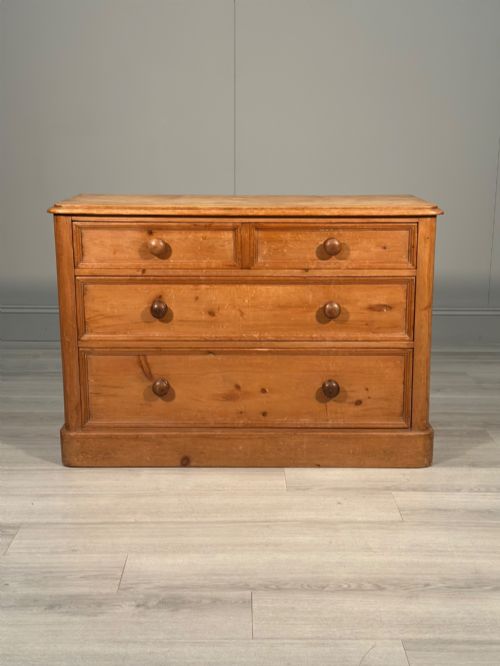
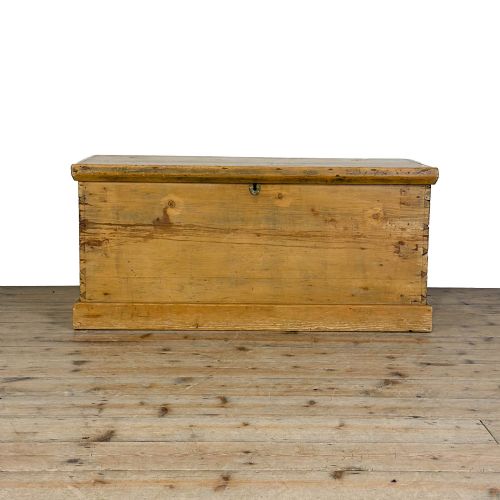
Country Storage Chest
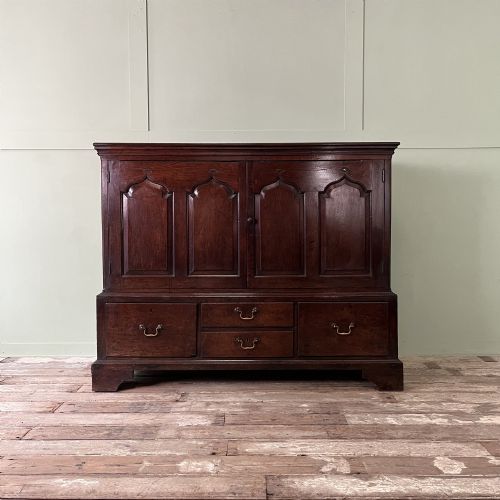
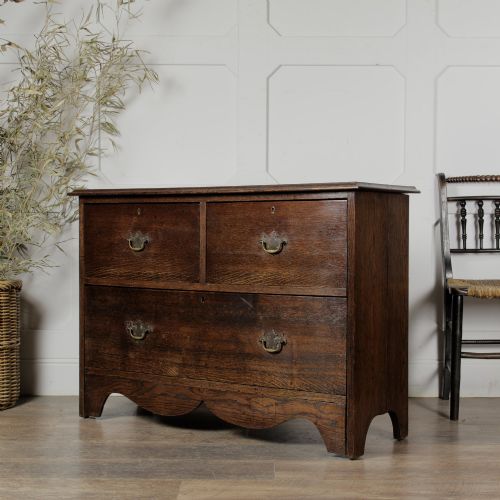
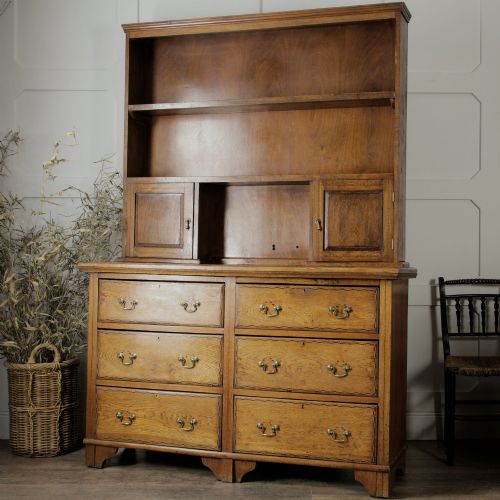
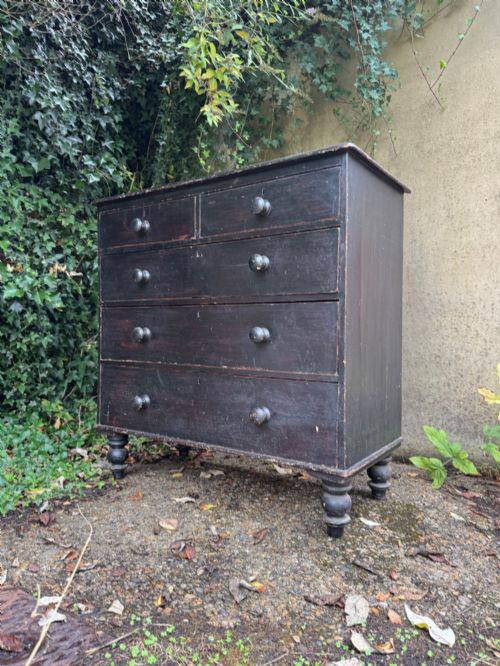
A country storage chest provides utilitarian storage built from honest woods like oak, pine and elm to suit rural interiors.
Country Storage Chest
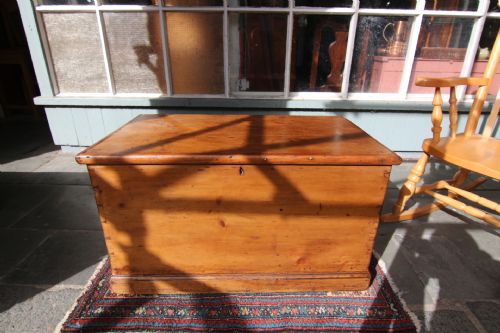
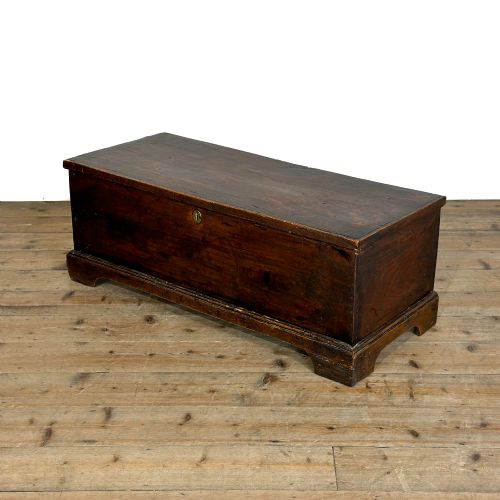
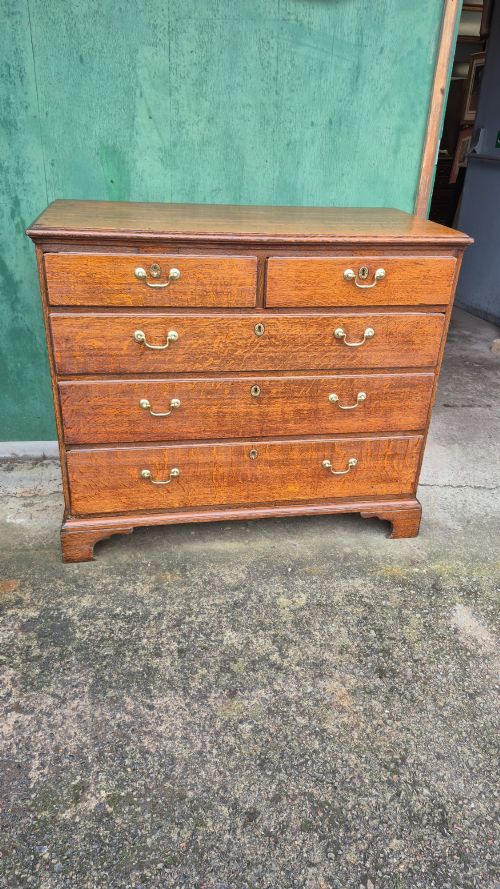
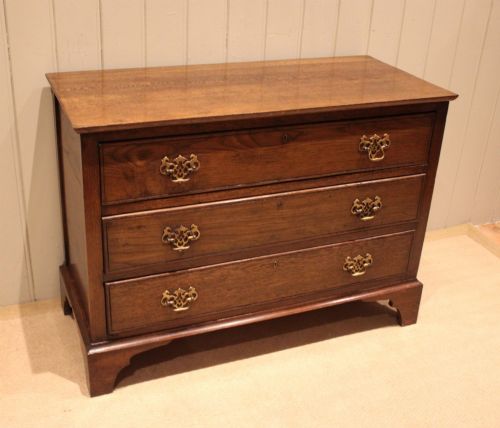
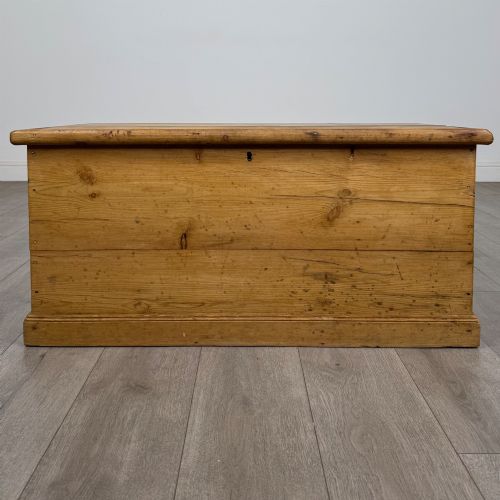
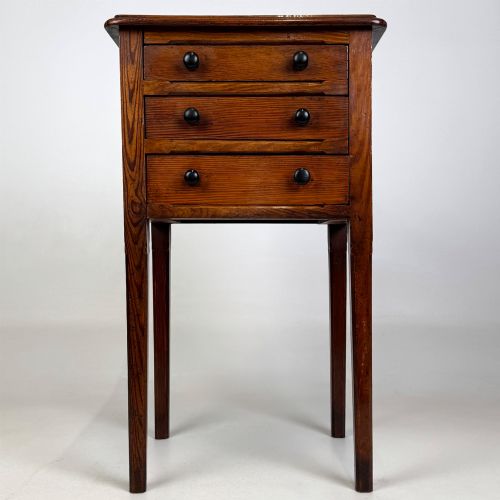
A country storage chest encompasses practical household vessels designed for domestic organisation across rural dwellings. When exploring a country storage chest, buyers typically encounter pine coffers, elm blanket boxes, and oak chests dating from the Georgian and Victorian eras.
Materials and construction
Craftsmen built these utilitarian items using solid regional timbers such as oak, elm, and pine, often joined with pegged mortise and tenon construction for durability. Surfaces frequently display original paint, wax finishes, or scrubbed timber patination.
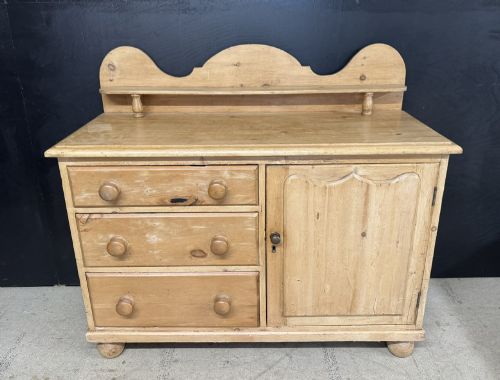
Hardware typically consists of iron hinges, brass escutcheons, and turned wooden bun handles suited to daily domestic handling. Secondary woods and traditional hand-cut dovetailing reveal the regional workshop origins of each piece.
Listings feature periods from the 17th century through the Edwardian era, constructed in oak, pine, elm, and painted wood.
Assessing quality
Quality rests upon the integrity of the timber selection, the retention of original surface treatments like period paint or wax, and the stability of the structural joinery. Pieces retaining their original ironwork or brass hardware command greater appreciation among collectors.
Proportion and regional vernacular detailing also dictate standard, where well-balanced proportions and untouched patination elevate a practical utility box into a notable example of country furniture.
Sir Clough Williams-Ellis
The Country Storage Chest Glossary
- Coffer
- A large wooden chest traditionally used for storing valuables, linens, or dry goods. Early examples often utilise simple six-plank construction joined at the corners.
- Linen press
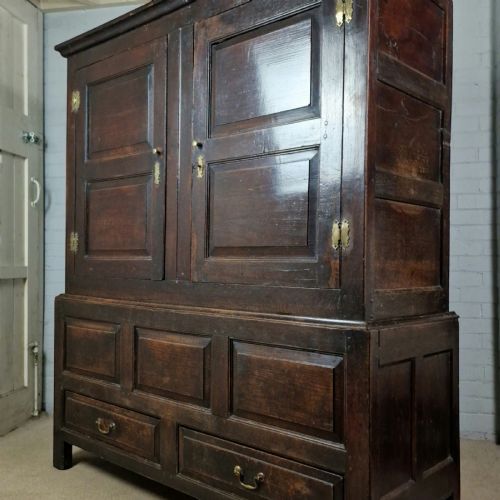
- A tall cupboard used for storing folded linen and garments, usually combining upper hanging or shelving space with lower drawers. These utilitarian pieces formed a central part of domestic storage.
- Crossbanding
- A decorative technique where thin strips of veneer are laid across the grain of the primary wood around the edges of drawer fronts. This adds a subtle border to otherwise plain timber surfaces.
- Patina
- The surface sheen and colour acquired by wood through age, handling, and regular polishing over centuries. A desirable surface shows deep tonal variation without artificial intervention.
Country Storage Chest: Frequently Asked Questions
What is a country storage chest used for?
These vessels served to store household linens, blankets, and provisions in domestic settings.
Today, they function practically in modern homes as living room coffee tables, bedroom blanket boxes, or hallway storage.
How do I date a wooden coffer?
Dating relies on examining construction methods, tool marks, and timber species used by the regional maker.
Hand-cut dovetails, pegged joints, and surface patination provide reliable physical indicators of age.
Are pine chests durable?
Solid pine and pitch pine offer robust structural strength suited to generations of daily household use.
Waxed finishes protect the soft wood while allowing the natural grain and daily wear to show gracefully.
What is the difference between oak and pine pieces?
Oak items generally originate from earlier Georgian or 17th-century vernacular traditions, offering heavy, dense construction and deep figure.
Pine versions are more commonly Victorian, featuring lighter weights and often carrying painted or scrubbed finishes.