

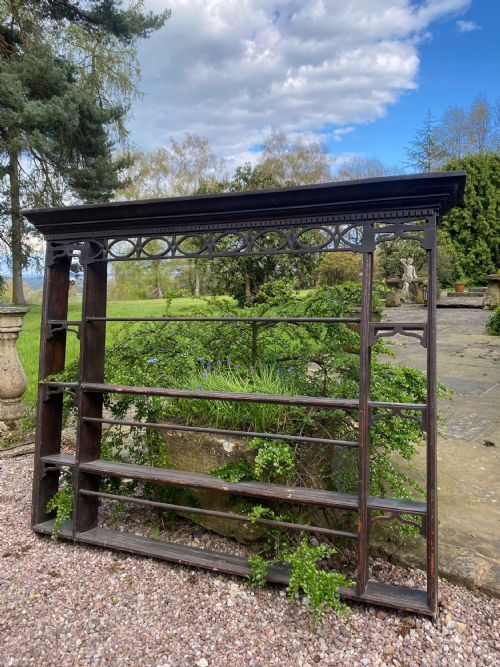
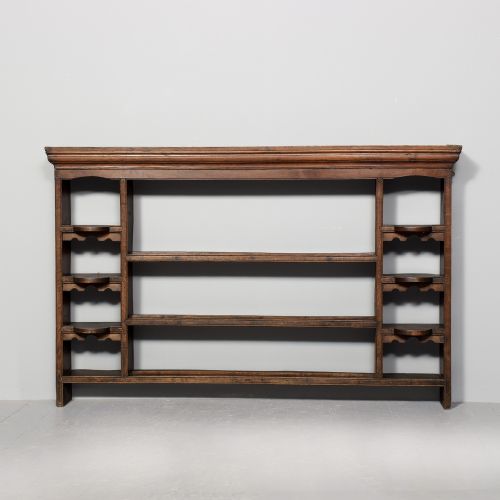
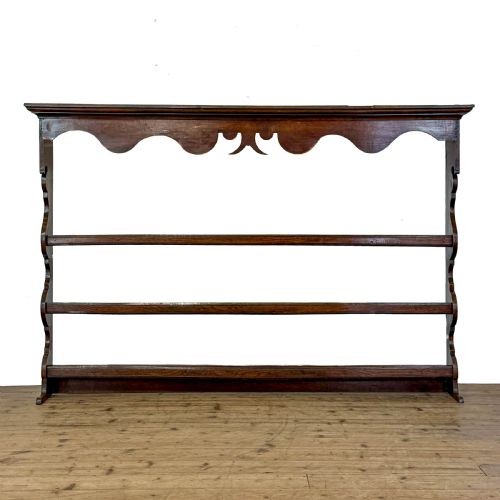


Country Oak Wall Rack
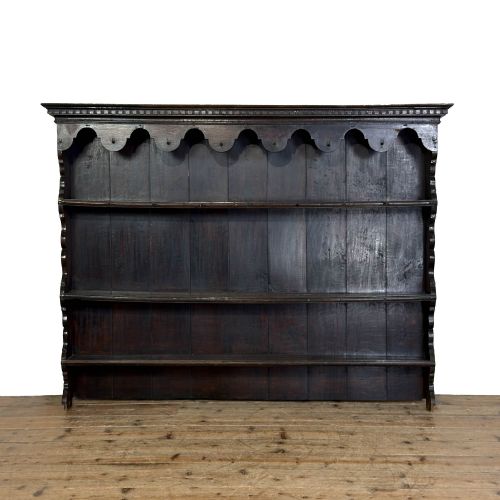
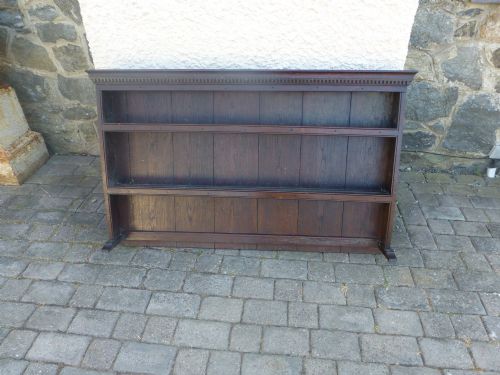
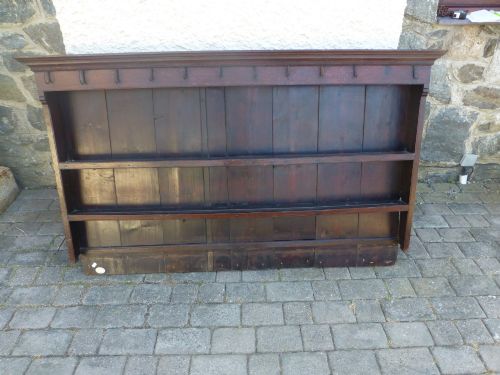
These country oak wall rack pieces organise domestic spaces with practical timber shelving designed to display plates, spoons and coats.
Country Oak Wall Rack
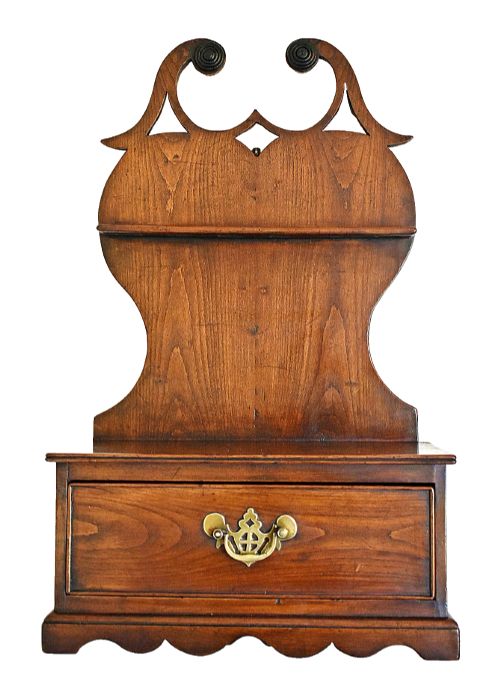
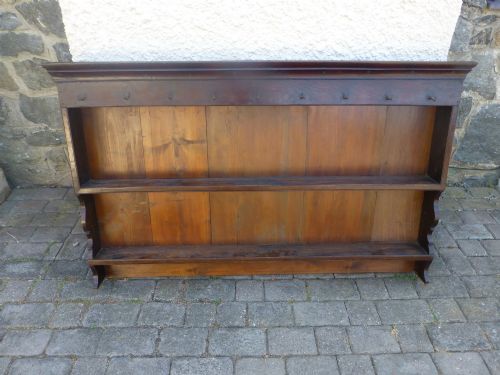
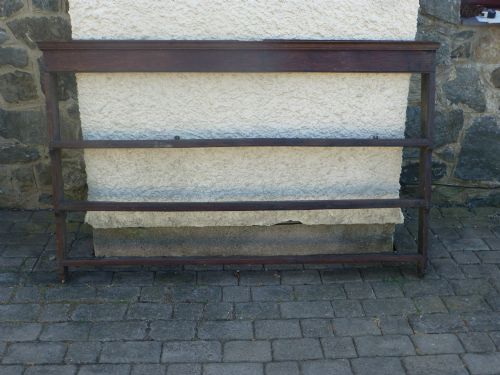
A country oak wall rack brings functional wall storage into kitchens, hallways and living rooms using traditional forms. Buyers searching for a country oak wall rack will discover plate racks, spoon racks, hanging shelves and coat racks mounted directly to walls.
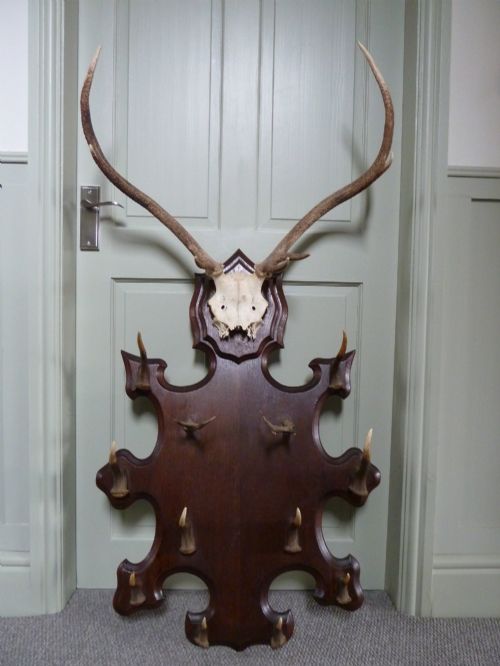
The pieces span several periods from the seventeenth century through the Georgian era into the nineteenth century. Examples include delft racks, hanging wall shelves, and hall stands incorporating stag horn or taxidermy hooves.
English country and Georgian styles dominate the selection, alongside Jacobean, Gothic Revival and French hunting lodge influences. Construction occasionally combines oak with pine or incorporates iron hooks and pewter spoons.
Quality and Distinction
The distinction between tiers rests on the sophistication of timber selection and joinery execution. Pieces featuring architectural details like Corinthian columns or deliberate inlay work demonstrate higher workshop ambition.
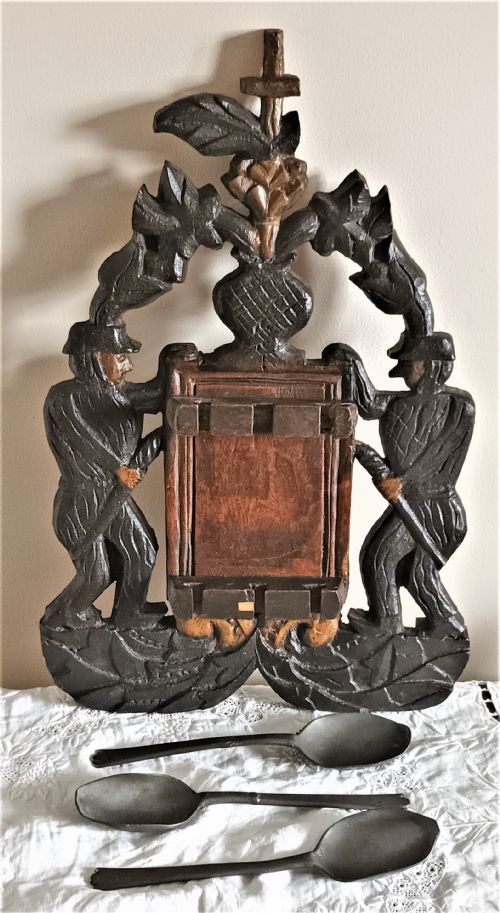
Preservation of original surfaces and fittings separates standard domestic items from superior survivals. The integration of period accessories, such as matching pewter trefid spoons, elevates the completeness of specific wall racks.
Country Oak Wall Rack Retail Price Guide 2026
Typical asking prices for country oak wall rack among the pieces listed under this phrase on Sellingantiques today, from the lower quarter to the upper quarter. They describe what is for sale here now, not the wider market.
Listings feature oak combined with iron, pewter, stag horn, bone, stained oak, pine and taxidermy hooves across seventeenth and eighteenth-century forms.
The Country Oak Wall Rack Glossary
- Delft rack
- A wall-mounted wooden shelf specifically designed to display glazed earthenware plates upright against a backboard. These fixtures saved valuable floor space in traditional kitchens.
- Trefid spoon
- An early dining implement featuring a flat, three-lobed terminal handle shape popular during the late seventeenth and early eighteenth centuries. They frequently accompany period spoon racks.
- Corinthian column
- An ornate classical architectural pillar form featuring decorative acanthus leaf capitals. Cabinetmakers occasionally adopted this motif for grander vernacular furniture.
- Hall stand
- A piece of furniture positioned near an entryway to hold coats, hats and walking items. Country variants frequently incorporated taxidermy elements and iron hooks.
Country Oak Wall Rack: Frequently Asked Questions
How do I hang a heavy oak wall rack?
Wall racks require secure fixing directly into wall studs or masonry using appropriate heavy-duty screws and brackets.
Because solid oak timber is exceptionally heavy, professional installation ensures the weight distributes safely without pulling away from the plaster.
What is the difference between a plate rack and a spoon rack?
Plate racks feature graduated vertical slats or deep ledges designed to hold ceramic plates upright for display and drying. Spoon racks are smaller wall-hanging boards fitted with notched rails to present collections of dining spoons.
Both forms served practical domestic storage functions in historic kitchens before modern cabinetry became standard.
How do I date an 18th century oak rack?
Dating relies on observing construction joints, timber weathering patterns, and architectural details characteristic of the Georgian and eighteenth-century periods. Hand-cut peg joints and vernacular design elements help distinguish older examples from later Victorian reproductions.
Subtle changes in moulding profiles and hardware fixings provide further clues regarding the decade of manufacture.
Can I use an antique plate rack for modern heavy stoneware?
Historic plate racks were built for lighter earthenware and delft pottery rather than heavy modern stoneware. Checking the depth of the plate grooves and the structural integrity of the back frame prevents accidental damage to both the rack and ceramics.