
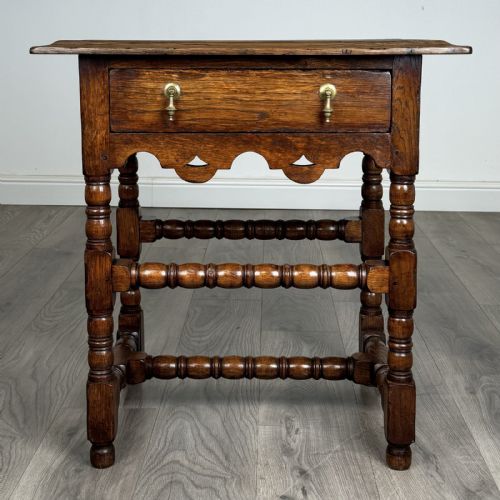
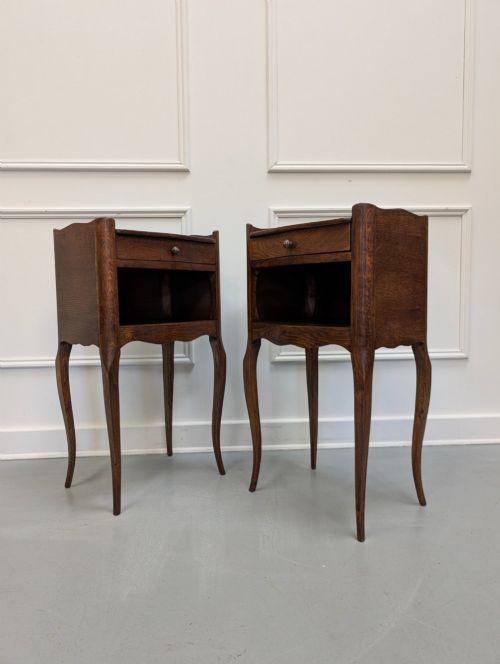
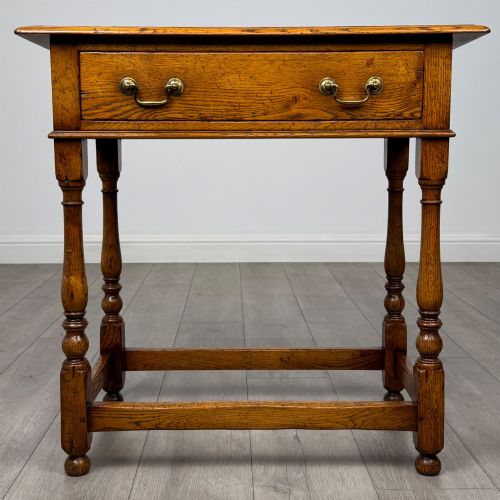

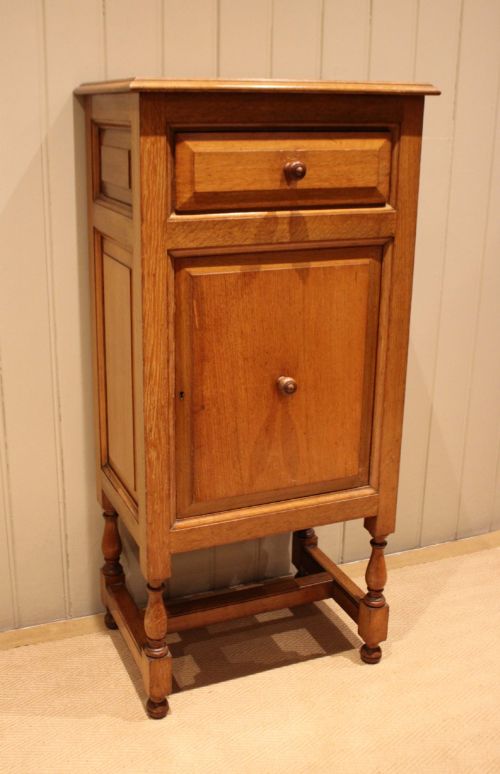





Country Oak Nightstand
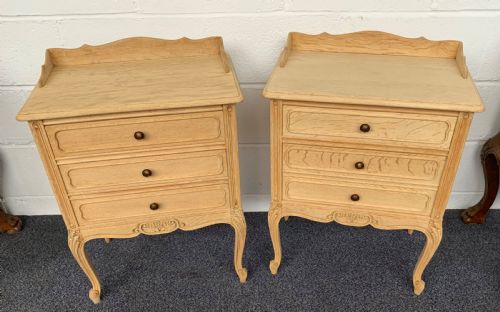
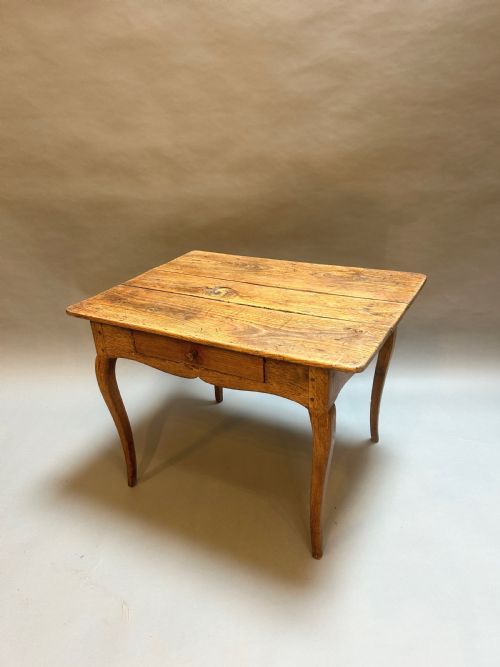
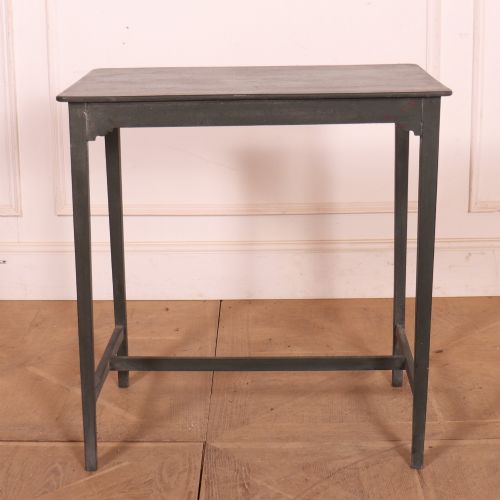
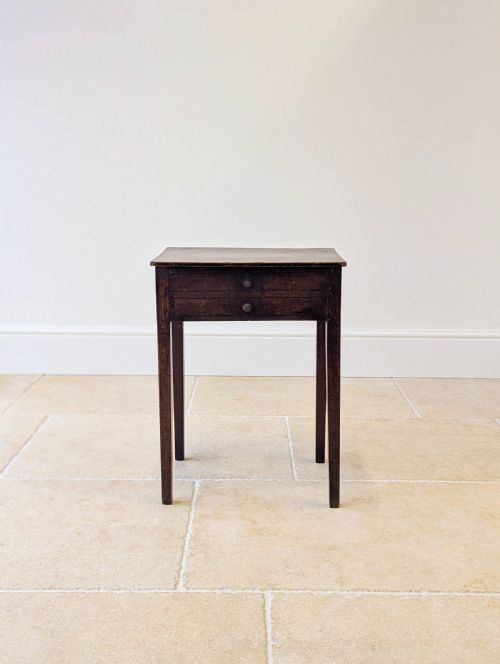
These country oak nightstands bring honest, sturdy utility to the bedroom, grounding your space with centuries of tactile grain and quiet character.
Country Oak Nightstand
A country oak nightstand covers a surprisingly broad spread of domestic forms, drawing from English country, French provincial, and Georgian traditions. You will encounter side tables, small bedside cabinets, lamp tables, and diminutive chests of drawers spanning from the eighteenth century into the twentieth century.
The pieces appearing most frequently range from sturdy 1920s French bleached oak bedside cabinets to eighteenth-century English lamp tables and early nineteenth-century primitive examples. These forms were built for daily bedside service, offering practical surfaces and small cupboards or drawers for nighttime necessities.
Makers ranged from rural joiners working with local timber to provincial cabinetmakers supplying straightforward domestic furniture. Their designs prioritise functional proportion over elaborate ornament, making them exceptionally adaptable beside a modern or traditional bed.
Materials and construction methods
Solid oak provides the structural backbone for these pieces, often complemented by secondary timbers like pine and fitted with brass hardware. Artisans selected oak for its formidable durability and distinct grain pattern, which ages gracefully through decades of handling and wax polishing.
Surface treatments vary from polished natural timber and bleached finishes to traditional painted oak surfaces and simulated painted wood. Joinery techniques reflect the period of origin, relying on traditional pegged joints, hand-cut dovetails for drawers, and sturdy panelled construction for small cupboards.
Periods represented reach from the eighteenth century through Georgian, Victorian, and Edwardian eras into the 1950s.
Distinguishing quality across the range
Quality rests primarily in the integrity of the timber, the subtlety of the surface finish, and the fidelity of the construction. Superior pieces display well-figured oak with a warm, undisturbed patina built up through generations of polishing and use.
Proportion and restraint separate the finest examples from heavier, clumsier utilitarian items. Finer pieces maintain crisp mouldings, tight joints, and original hardware, whereas lesser or heavily restored pieces may show replaced timber, inappropriate modern fixings, or overworked surfaces.
The Country Oak Nightstand Glossary
- Bleached oak
- Timber treated to lighten its natural tone, a finish seen frequently on twentieth-century French provincial furniture. This treatment softens the yellow cast of raw oak to give a pale, chalky appearance.
- Lamp table
- A compact, sturdy table designed originally to hold a portable light source. In modern usage, it serves reliably as a bedside surface for books and lighting.
- Georgian primitive
- A descriptive term for domestic furniture made during the Georgian era outside metropolitan workshops. These items eschew classical ornamentation in favour of unadorned, utilitarian forms.
- Bedside cabinet
- An enclosed piece of furniture featuring a door or small cupboard space beside the bed. It keeps nighttime items neatly out of sight.
- Work table
- A small functional table, often fitted with a drawer, historically used for sewing or domestic tasks. Their modest proportions suit the bedside role admirably.
Country Oak Nightstand: Frequently Asked Questions
Are these nightstands tall enough for modern beds?
Many older side tables and bedside cabinets were built lower than contemporary mattress heights, reflecting earlier sleeping arrangements. It is sensible to measure your bed height before selecting a piece.
Lower tables still function well as low-slung bedside surfaces or companion pieces in a guest room where height matters less than character.
How do I clean and maintain an oak nightstand?
Maintenance requires little more than occasional dusting with a dry cloth and an application of traditional beeswax to nourish the timber. Avoid placing damp glasses directly on the unprotected wood to prevent water rings.
Maintaining the wax finish preserves the natural sheen and protects the grain from everyday household wear.
Can I mix different oak periods in one room?
Oak possesses a visual consistency that allows eighteenth-century tables to sit comfortably alongside 1920s French cabinets. The unifying element is the natural timber grain rather than strict stylistic matching.
Allowing slight variations in tone and era creates a more collected, authentic interior than a uniform suite of furniture.
What is the difference between a side table and a bedside cabinet?
A side table offers an open surface with legs and sometimes a single drawer below, keeping the floor space visually clear. A bedside cabinet incorporates an enclosed cupboard with a door, concealing storage space.
Your choice depends on whether you prefer open display or closed storage beside the mattress.