

Country Oak Box Seat
These country oak box seat pieces offer sturdy timber storage and deep-seated comfort shaped by centuries of vernacular design.
Country Oak Box Seat
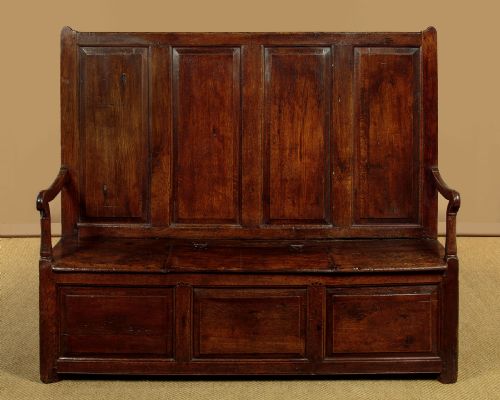
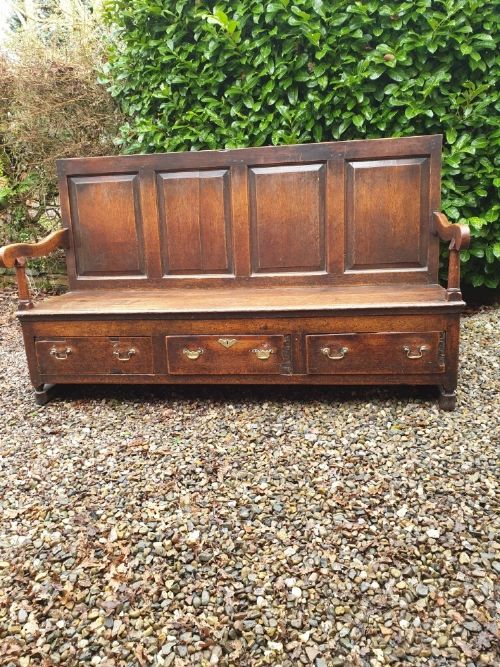
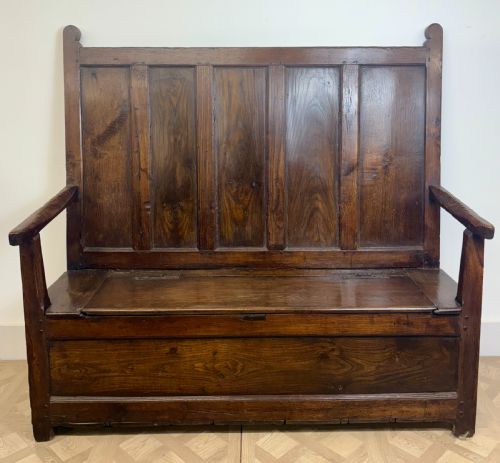
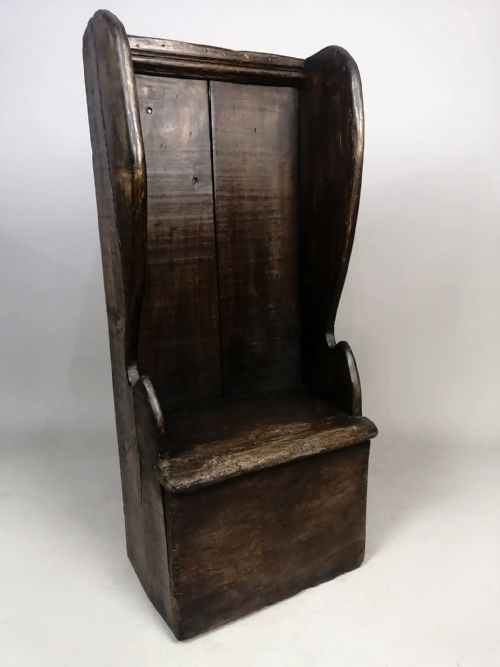
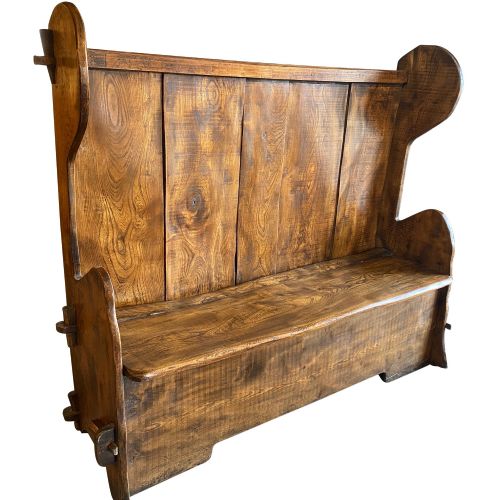
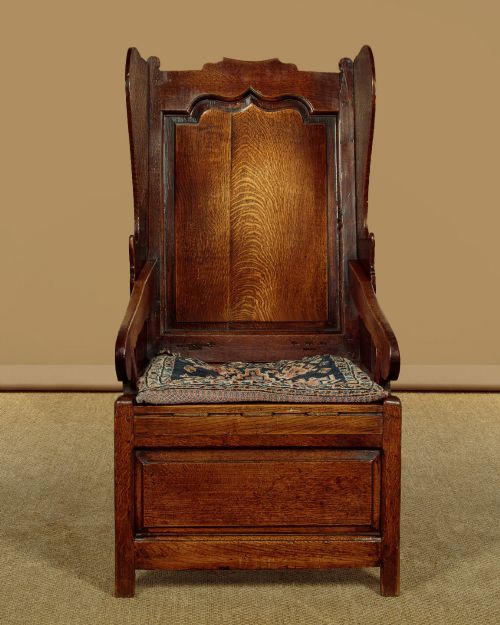
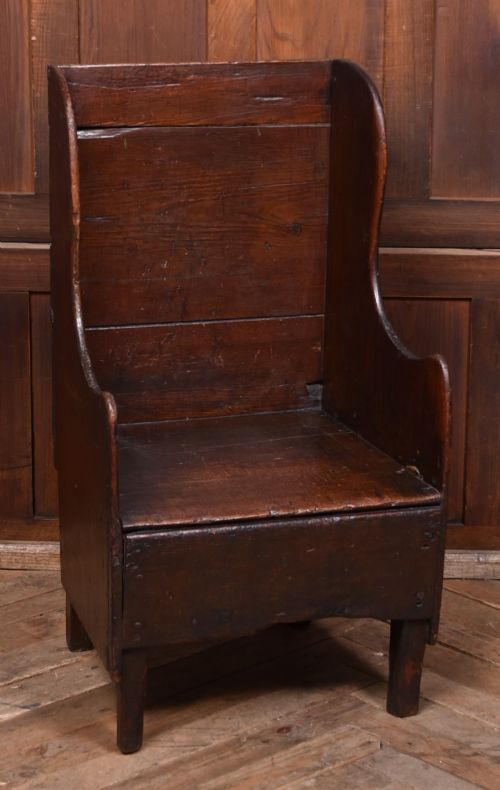
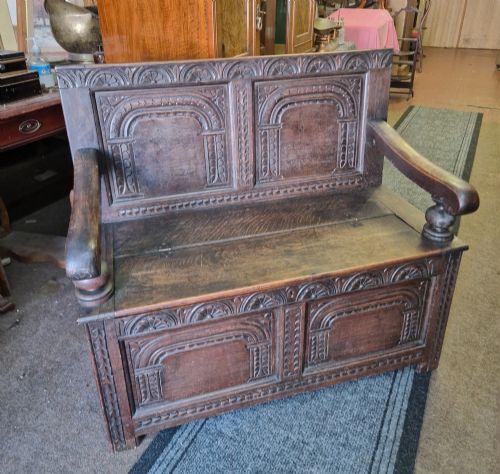
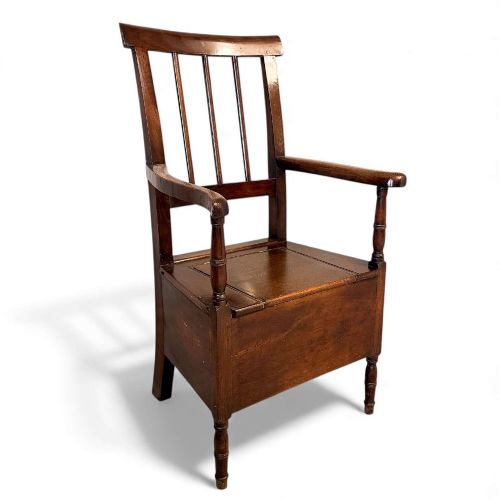
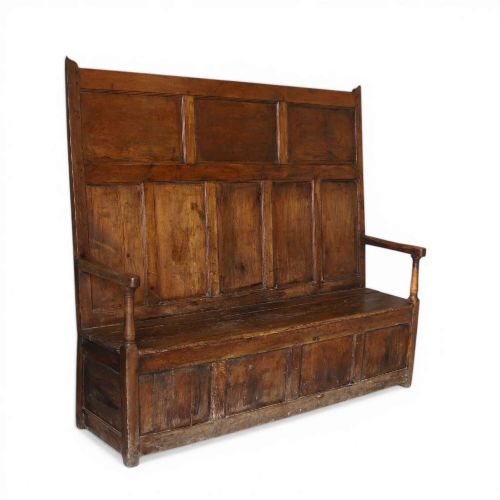
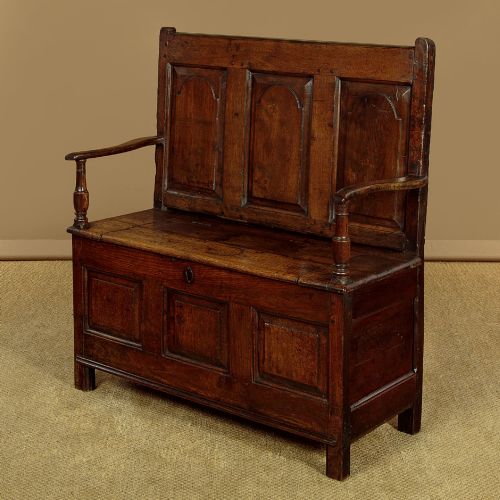
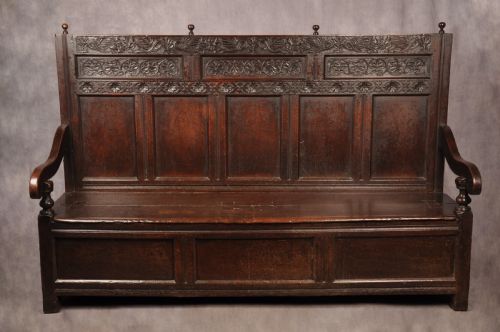
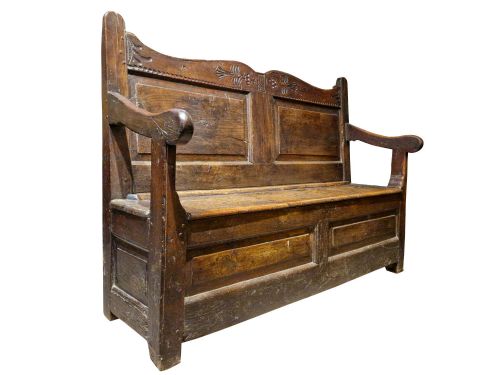
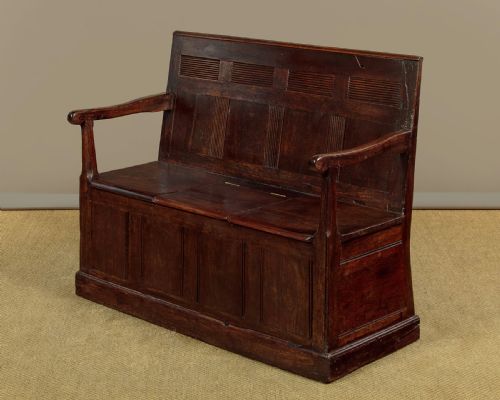
When you search for a country oak box seat, you encounter robust seating forms designed for functional domestic use rather than formal display. The selection on this page centres on sturdy settles, benches, and chairs incorporating hidden storage beneath the seat or within the frame.
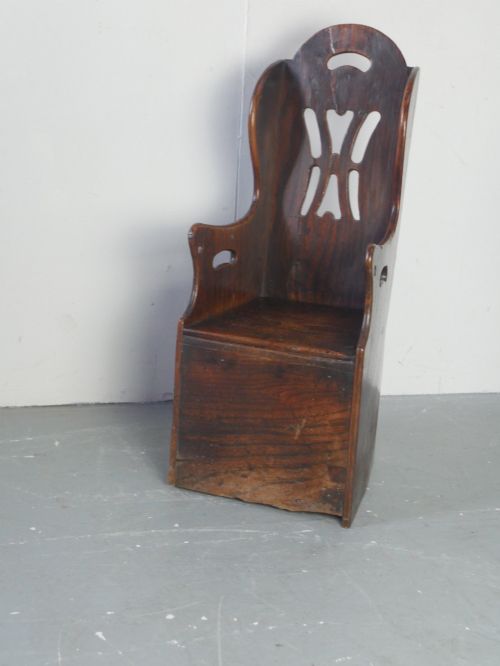
The pieces span multiple centuries, ranging from seventeenth-century vernacular origins to nineteenth-century country adaptations. Settles dominate the selection, often featuring high panelled backs to block draughts in older homes alongside smaller child chairs and lambing variants.
Geographic variations emerge across the regions, including Welsh and North Country examples alongside English and continental pieces. Each region brought distinct proportions and framing choices to the basic box-seat formula.
Evaluating quality and proportion
Quality rests in the integrity of the timber selection and the retention of original structural elements without excessive replacement. Superior examples maintain balanced proportions across high panels, arm rests, and the box base.
The integration of the storage compartment dictates much of the character, where well-hung lids and original hinges elevate a piece above later adaptations. Surface depth and untouched timber patination separate finer vernacular items from heavily restored equivalents.
Listings feature pieces spanning from the seventeenth century through to the nineteenth century, built primarily in oak, elm, ash, and fruitwood.
The Country Oak Box Seat Glossary
- Box settle
- A high-backed wooden bench featuring a compartment beneath the seat for storage. This form protected sitters from cold draughts in traditional farmhouses.
- Lambing chair
- An enclosed wooden armchair, often featuring high wings and a solid base. It provided shelter from cold air near the hearth.
- Vernacular
- Everyday furniture made by local cabinet makers using regional traditions rather than metropolitan pattern books. These pieces prioritize utility and local materials.
- Panel-back
- A construction method utilising wooden frames fitted with flat or raised panels. This technique allowed timber to expand and contract naturally without warping.
- Fruitwood
- A dense timber harvested from fruit-bearing trees such as pear or apple. Makers utilised these hard woods for turned spindles and smaller structural elements.
Country Oak Box Seat: Frequently Asked Questions
What is a box settle?
A box settle is a wooden bench featuring a high back and a concealed storage compartment beneath the seat. They served multiple purposes in traditional interiors, offering seating by the fire alongside space to store household goods.
Most examples include enclosed arms or panelled backs designed to keep out household draughts. The lower box section supports the seat while keeping stored items protected from dust and damp.
How do I date an oak settle?
Dating relies on examining construction techniques, joinery marks, and the evolution of panel styles across different centuries. Early seventeenth-century pieces typically show heavier pegged framing and simpler panel configurations compared to later Georgian iterations.
Changes in timber preparation and hardware styles also help narrow down the period of manufacture. Regional variations often retain archaic building methods longer than metropolitan workshops.
Where were lambing chairs used?
Lambing chairs were traditionally positioned near the fireplace in farmhouses and rural cottages. Their enclosed sides and high wings trapped heat from the hearth to keep the occupant warm.
Smaller variants and children's versions offered the same sheltered seating design on a reduced scale. The integrated box base or solid apron kept floor-level drafts away from the sitter.
Are these pieces made from solid oak?
These items are constructed from solid native timbers, frequently combining primary woods like oak with secondary structural elements of elm, ash, or fruitwood. Regional makers utilised whatever strong local wood was readily available in their immediate area.
Secondary woods often appear in internal framing, box bases, or subsidiary panels. This mixed-timber construction reflects traditional rural woodworking practices rather than modern uniformity.