


Country Kitchen Seats
Country kitchen seats bring enduring utility and honest timber construction into modern interiors through time-worn Windsor chairs, ladderbacks, and sturdy benches.
Country Kitchen Seats
Country kitchen seats encompass functional furniture created for everyday domestic labour, including dining chairs, armchairs, benches, stools, and dining tables. When searching for country kitchen seats, buyers encounter various traditional forms rooted in nineteenth-century and early twentieth-century rural domestic life.
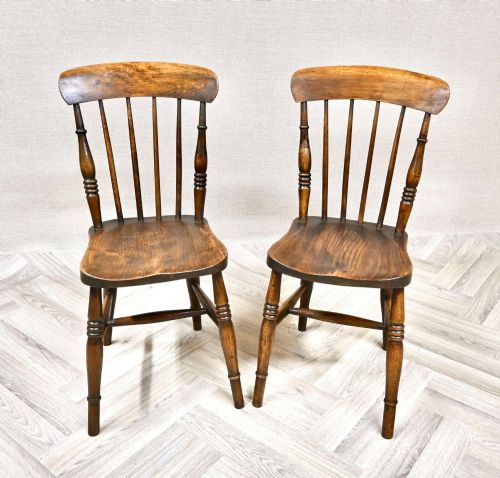
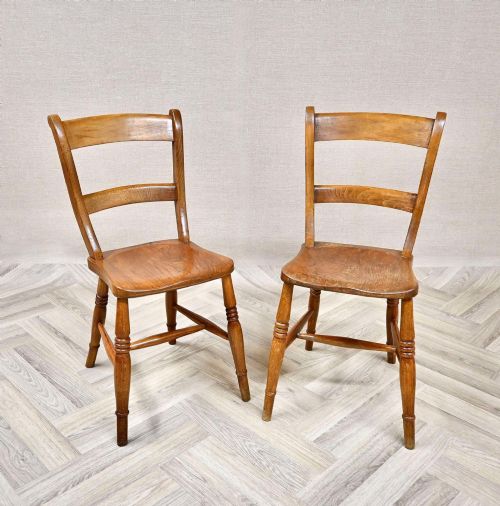
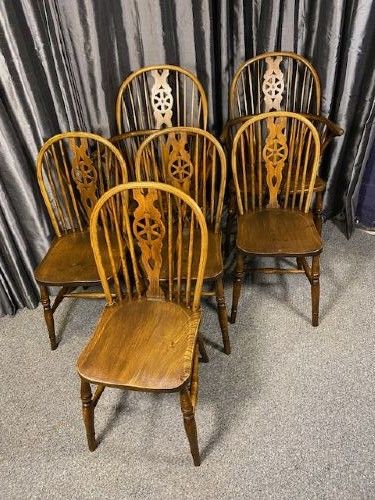
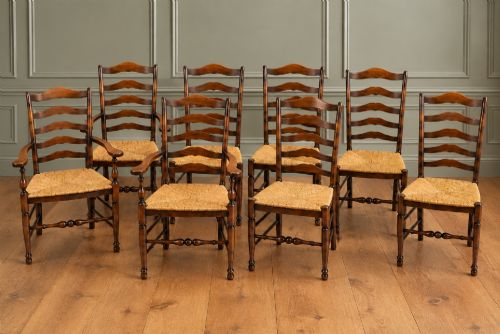
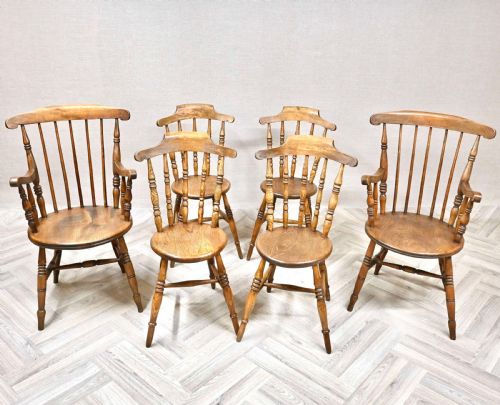
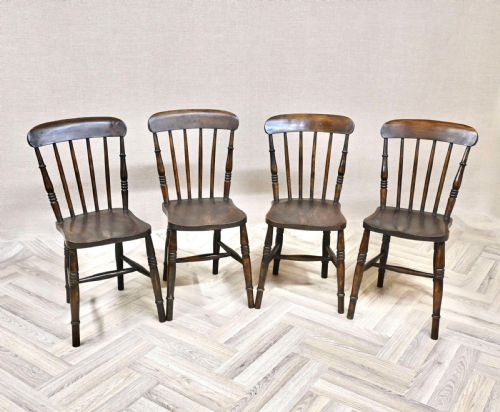
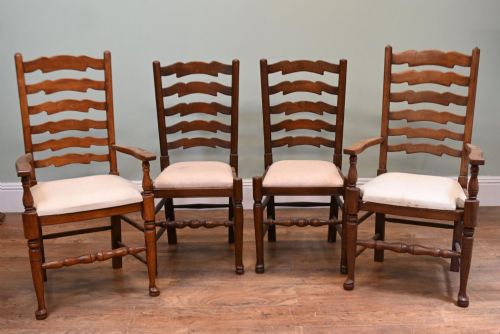
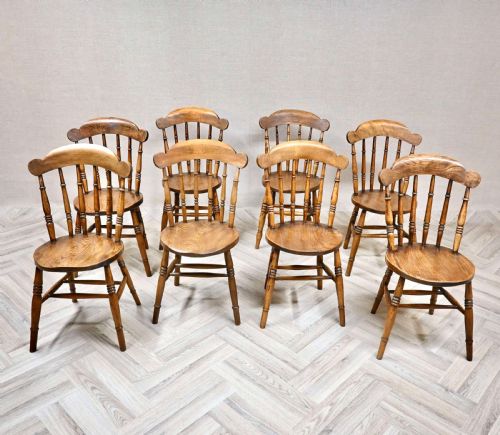
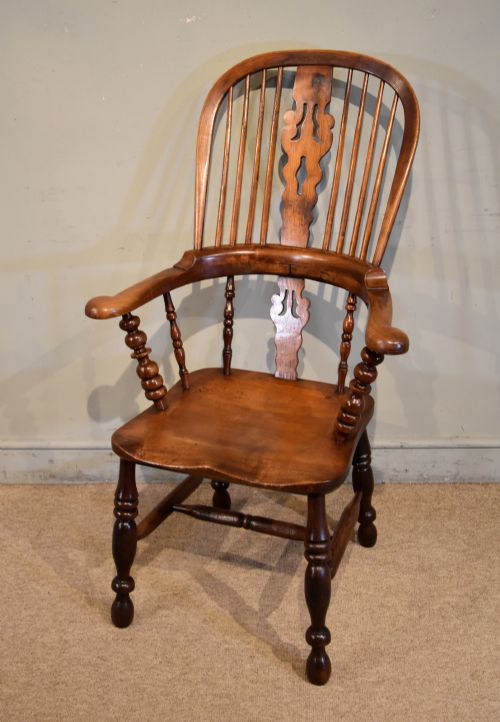
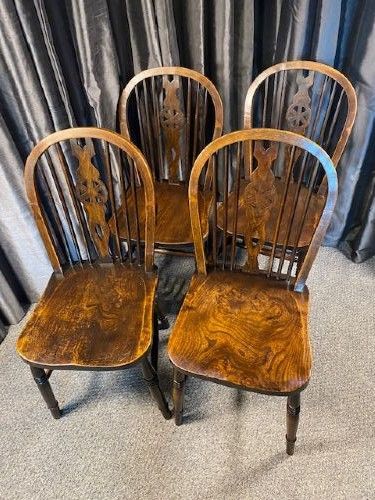
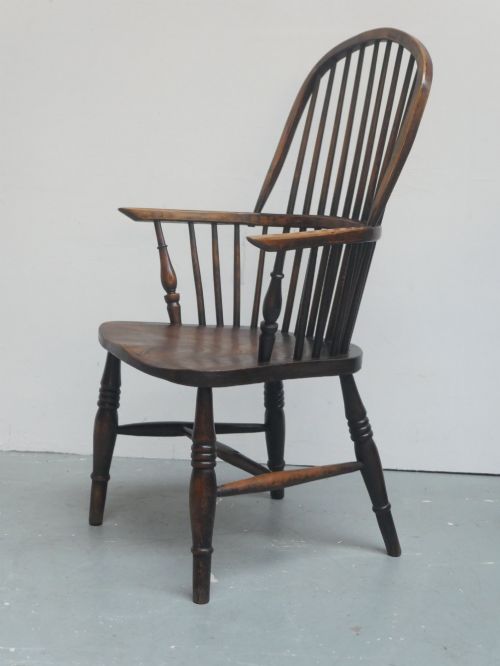
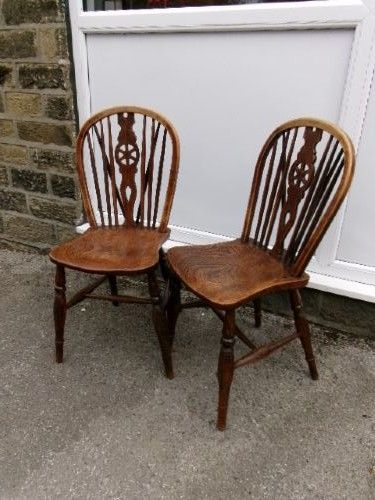
The most common variants on this page are Windsor chairs, ladderbacks, and spindle back chairs, often originating from periods such as the Victorian era and the early twentieth century. These pieces combine simple vernacular forms with robust timber frames designed for heavy daily use.
The selection ranges from single armchairs and pairs of bar stools to large sets of dining chairs intended for communal tables. Regional English styles predominate, alongside occasional French farmhouse equivalents and Edwardian dining stools.
How they were made
Maker construction relies heavily on native hardwoods, pairing elm seats with ash or beech spindles and bending frames. Elm provided a tough, non-splitting surface for solid saddle seats, whilst ash and beech offered the flexibility required for steam-bent hoops and ladderbacks.
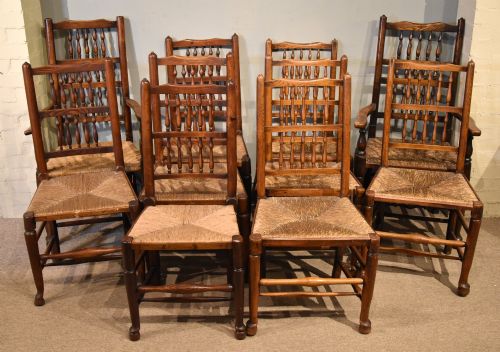
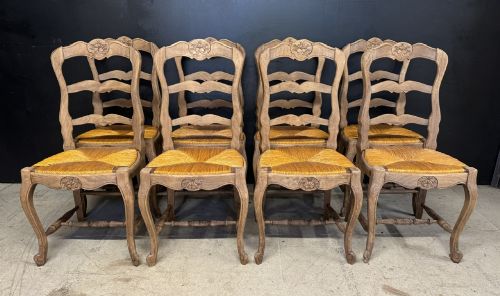
Additional materials include oak, pine, yew, and rush, the latter utilised for woven seating inserts on ladderback chairs. Joinery techniques typically involve turned components fitted into bored holes, secured with wedges to create rigid, long-lasting seating structures.
Country Kitchen Seats Retail Price Guide 2026
Typical asking prices for country kitchen seats among the pieces listed under this phrase on Sellingantiques today, from the lower quarter to the upper quarter. They describe what is for sale here now, not the wider market.
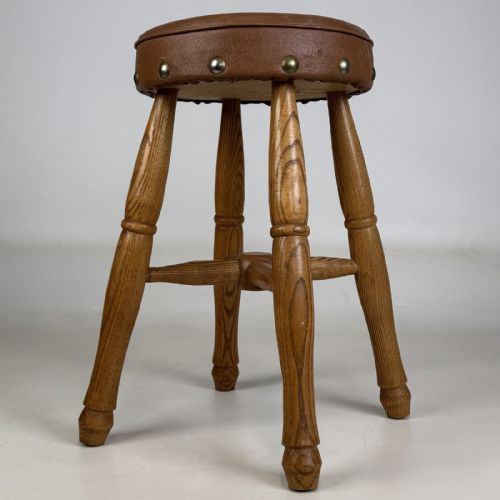
Brass studded seats on Victorian stools added a touch of formal upholstery style to otherwise utilitarian farmhouse furniture.
What varies in quality
Quality differences emerge in the selection and matching of timbers, particularly in the figuring and grain of elm seats and the uniformity of turned spindles. Superior examples display thoughtful timber selection that enhances the natural character of the wood over generations of use.
Structural integrity and the survival of original surfaces dictate the standing of a piece within the range. Refinished items differ substantially from those retaining a deep, undisturbed patina built up through decades of domestic service.
High Wycombe
The Country Kitchen Seats Glossary
- Windsor chair
- A wooden chair built with a solid sculpted seat into which the legs and back-pieces are dowelled directly. This form provides robust structural support through a combination of turned spindles and bentwood parts.
- Ladderback
- A chair style featuring horizontal slats or rails between the vertical uprights of the back. These rails are often shaped and graduated in size from top to bottom.
- Rush seat
- A woven seating surface made from dried marsh rushes twisted into cords. This traditional method creates a resilient, textured pad common on vernacular ladderback chairs.
- Spindle back
- A chair back constructed from numerous thin, turned vertical wooden rods. This design lightens the frame while maintaining rigid support for the sitter.
- Harlequin set
- A collection of dining chairs that match in general style or period but vary slightly in minor details or proportions. Such sets were often assembled over time rather than purchased as a single batch.
- Penny seat
- A colloquial term for a round wooden stool seat featuring a central depression resembling a large coin. This shaping enhances sitting comfort on solid timber tops.
Country Kitchen Seats: Frequently Asked Questions
Can I mix different chairs around a table?
Mixing different styles creates a harlequin arrangement that mirrors how rural households naturally accumulated furniture over many decades. Many period sets are already assembled as harlequin groups, sharing similar heights and materials.
To maintain visual balance, keep a common thread such as timber type or general era, combining ladderbacks with simple spindle chairs around a refectory table. This approach introduces character without disrupting the dining room layout.
How do I care for antique elm and ash?
Antique timbers require simple maintenance using natural beeswax to nourish the wood and protect the original surface patina. Avoid placing chairs near direct heat sources or modern radiators, which cause timber to dry out and joints to loosen.
Regular dusting with a soft cloth prevents particle buildup in carved details and turned spindle joints. Treating the wood gently preserves the historic surface wear that defines these country pieces.
Were bar stools common in nineteenth-century kitchens?
Tall stools appeared primarily in specialised domestic workspaces, sculleries, and commercial settings rather than main family dining areas. They utilised the same sturdy turned construction as standard kitchen chairs to withstand heavy daily use.
These pieces feature elevated footrests positioned between the legs to support the sitter at a higher counter level. Their survival in matched sets is uncommon due to the rigorous environments they inhabited.