






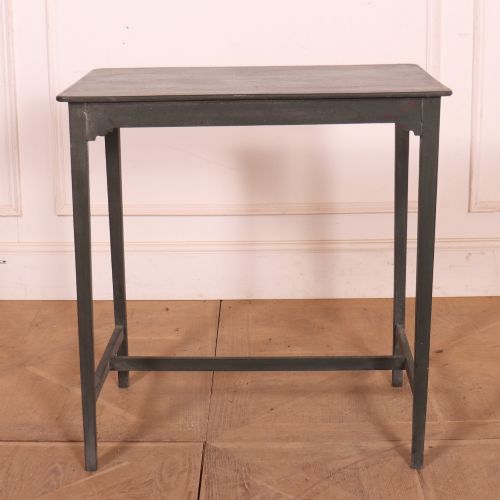


Country House Occasional Table
A country house occasional table brings the flexible, lived-in utility of past centuries into modern rooms through honest timber and modest scale.
Country House Occasional Table
A country house occasional table serves as a versatile piece for daily domestic use, appearing in side table, wine table, and lamp table formats across this selection. These items span periods from the eighteenth century through the Victorian era, showing how domestic furniture adapted to changing rooms and needs over generations.
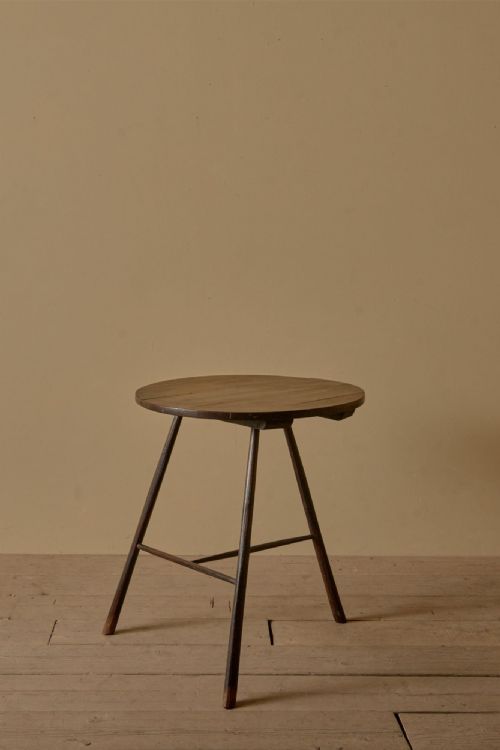
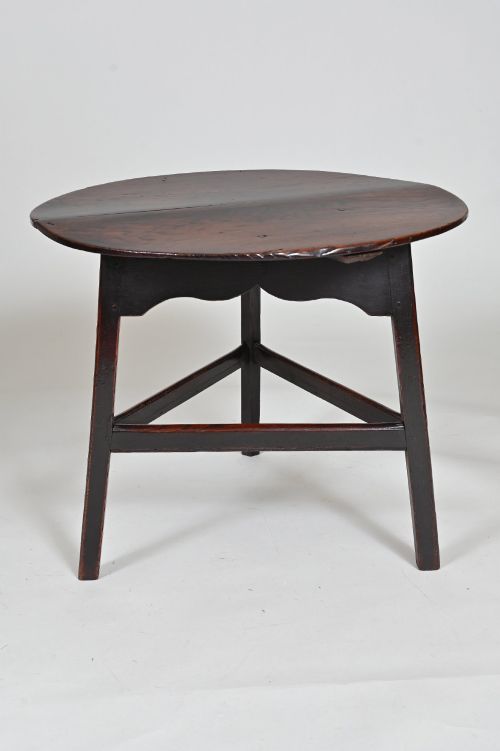
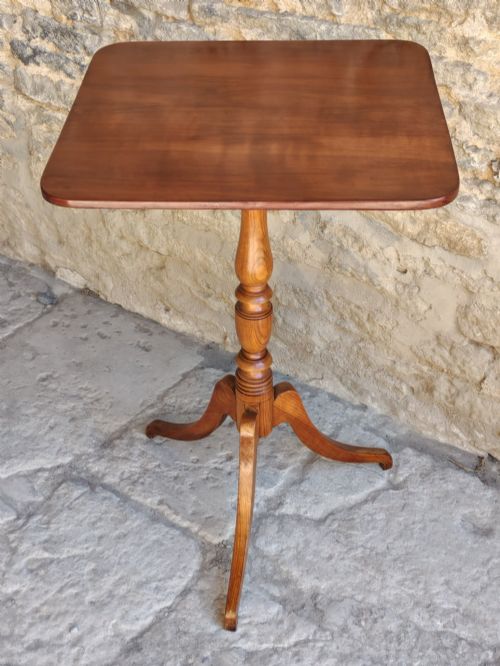
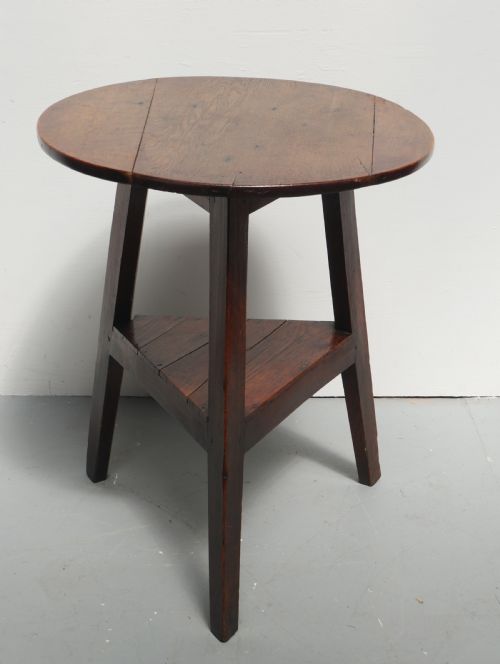
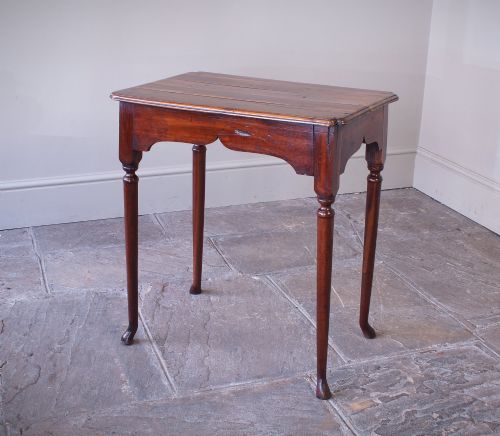
The most common forms on this page include sturdy cricket tables in oak or pine, alongside tripod lamp tables and Georgian low boys. English, Scottish, and Swedish origins appear, reflecting both regional vernacular traditions and refined metropolitan influences reaching provincial homes.
How they were made
Cabinet makers relied primarily on solid timbers such as oak, mahogany, fruitwood, and pine, often turning legs on a lathe or joining tops with pegged construction. Painted finishes in grey or other tones frequently cover pine and oak surfaces, showing the practical decoration applied by past owners.
Details like leather tops, tilt mechanisms, and occasional marble insertions reveal the mix of utilitarian design and finer craftsmanship found in larger estates. Construction methods range from rustic three-legged cricket tables to precise mahogany Pembroke and pedestal formats.
Country House Occasional Table Retail Price Guide 2026
Typical asking prices for country house occasional table among the pieces listed under this phrase on Sellingantiques today, from the lower quarter to the upper quarter. They describe what is for sale here now, not the wider market.
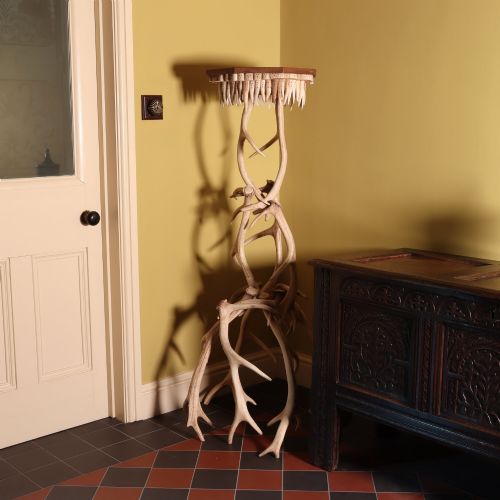
An antler torchiere stands ready to illuminate the room with unexpected woodland charm.
What varies in quality
Quality rests in the selection of timber and the integrity of the original structure, where figuring in woods like pollard oak or mahogany distinguishes finer examples from plain utility pieces. Original painted surfaces carry distinct value compared to later re-paintings, preserving the true age of the finish.
Proportion and the restraint of turning work separate provincial workshop output from pieces built to formal design standards, such as those following Gillows patterns. The retention of original elements, from tilt-top hardware to brass fittings, shapes the character of each surviving item.
Gillows Design
The Country House Occasional Table Glossary
- Cricket table
- A small, sturdy three-legged table with a round wooden top, traditionally used in English vernacular settings. The three legs ensure stability on uneven floors.
- Low boy
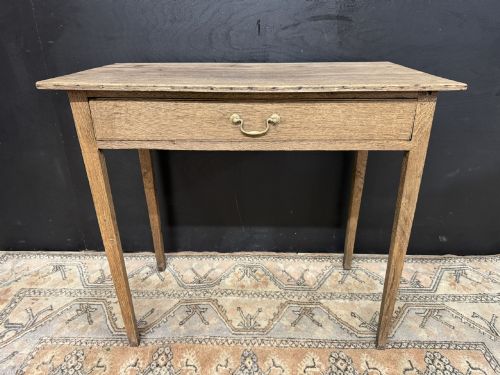
- A small eighteenth-century table with one or more drawers, typically used as a dressing table or side table. These pieces combine compact proportions with useful storage.
- Pembroke table
- A drop-leaf table with hinged flaps on either side, popular during the Georgian and Regency periods. It offers adjustable surface area for versatile placement.
- Tripod table
- A small table supported by a central pillar resting on three spreading feet, often featuring a tilt-top mechanism. This form became widespread during the eighteenth and nineteenth centuries.
- Torchiere
- A tall, slender stand designed to support a lamp or candle, functioning as a vertical light source in a room. Examples in this category include taxidermy antler construction.
Country House Occasional Table: Frequently Asked Questions
What is a cricket table?
A cricket table is a traditional three-legged round table built from timbers like oak or pine. Its design provides steady footing on uneven farmhouse floors.
These pieces function well beside armchairs or as lamp stands in sitting rooms.
How do I use an occasional table?
These tables provide convenient surfaces for lamps, books, or drinks in living spaces and bedrooms. Their modest scale allows them to move easily where needed.
Pairing a rustic pine or oak piece with contemporary seating creates a balanced interior.
How can I tell the period?
Dating relies on timber choice, construction marks, and stylistic details such as turned legs or bracket feet. Eighteenth-century pieces often show simpler joinery and fruitwood or oak construction.
Victorian and later nineteenth-century examples frequently introduce mahogany, marble tops, or painted finishes.
Are painted finishes original?
Many pine and oak tables feature original paint layers applied during the eighteenth or nineteenth centuries. These historic surfaces often exhibit natural wear and softening over time.
Examining the paint helps distinguish period decoration from later decorative updates.