



Country House Landscape
Country house landscape paintings capture vast estates, gardens and rural views in oil and watercolour.
Country House Landscape
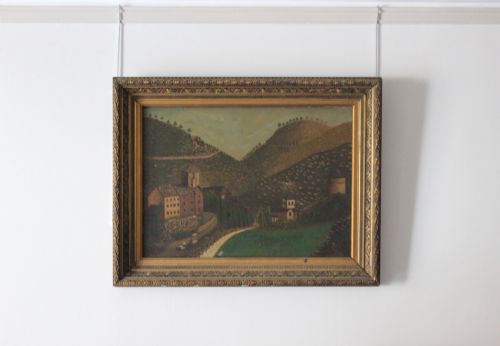
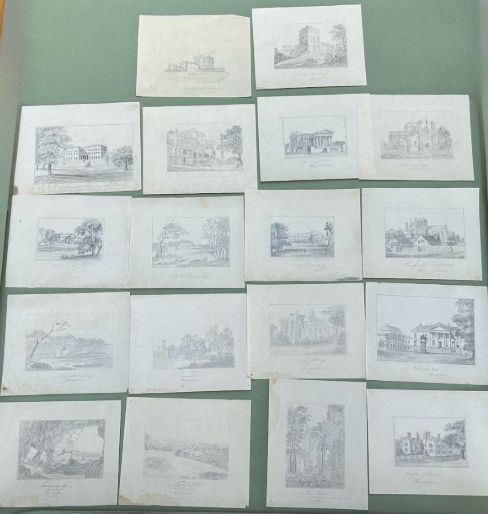
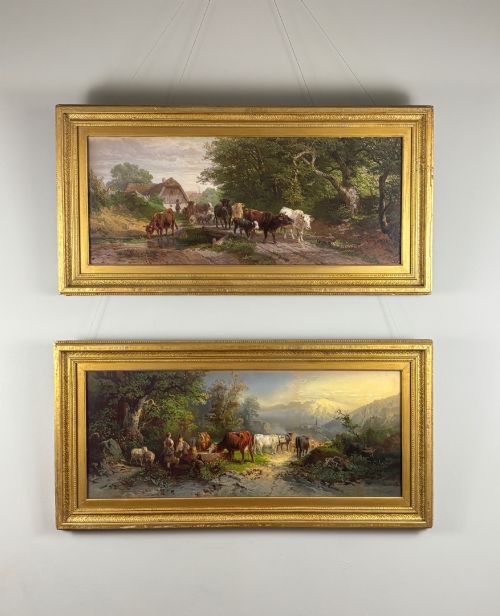
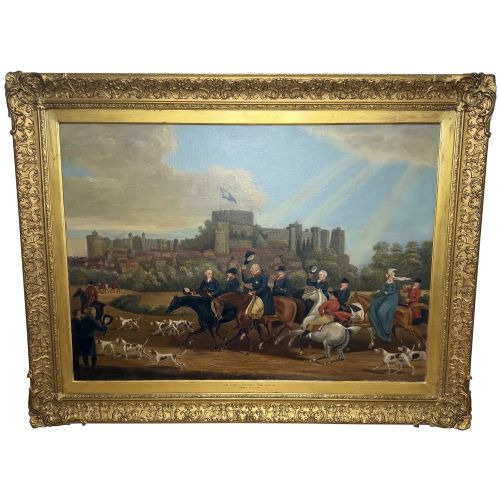
A country house landscape depicts grand estates, parkland, rural gardens and architectural views through the medium of oil and watercolour. These works record historic properties and their surrounding grounds, often populated by figures, animals or livestock.
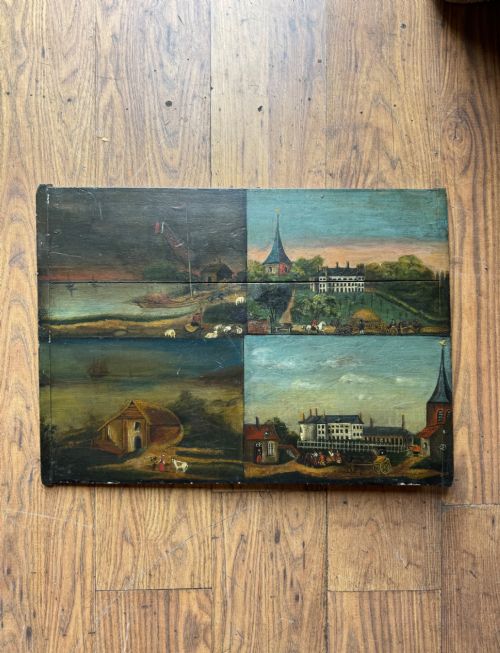
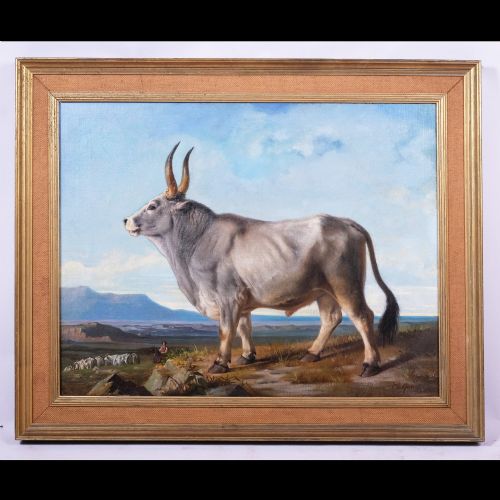
The pieces seen here date primarily from the nineteenth century into the early twentieth century, spanning Victorian and Edwardian periods. Buyers encounter framed canvases and watercolours that reflect both naive provincial charm and academic British realism.
Materials and technique
Artists painted primarily in oil on canvas or board, alongside delicate watercolour and gouache works on paper. Canvases received layers of oil paint to build depth in foliage, skies and distant architecture.
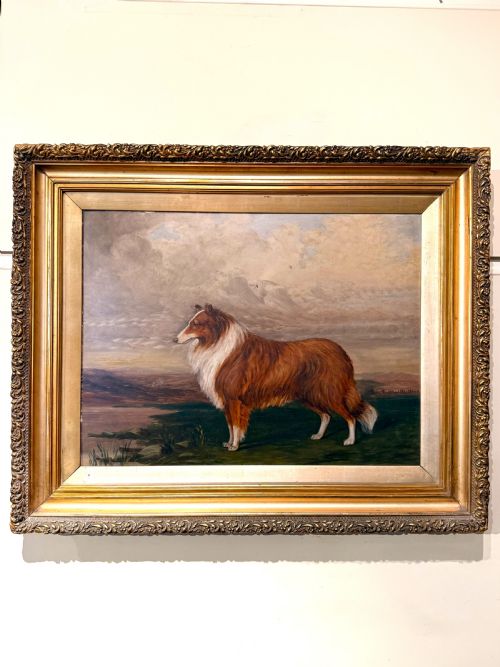
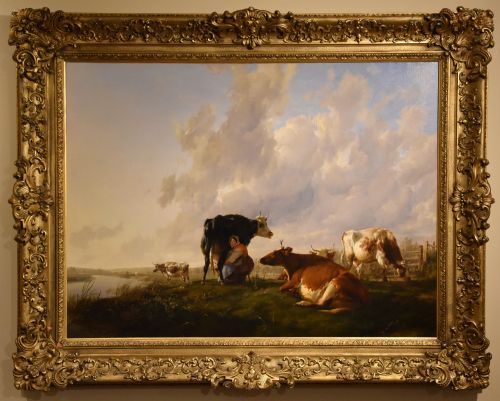
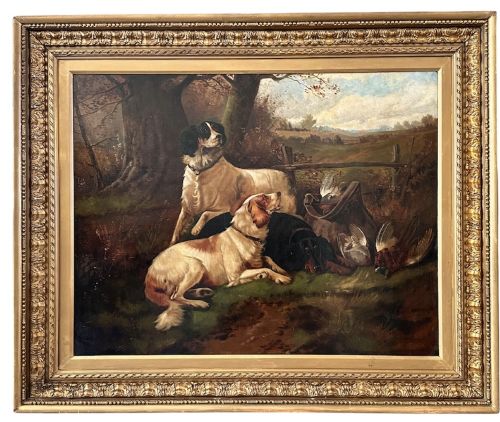
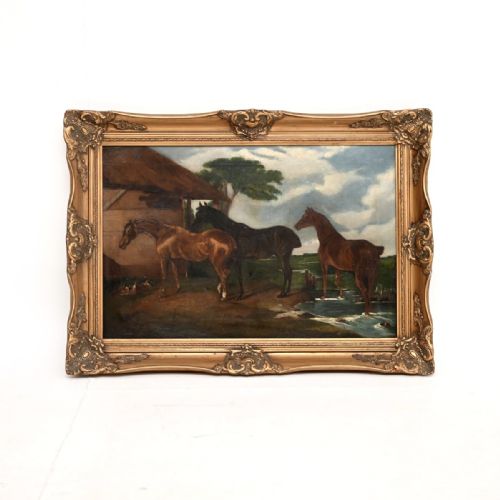
Several canvases quietly record horses, sheep, and dogs staring directly out at the artist as if critiquing the composition.
Judging quality
Quality rests upon the artist's handling of light, atmospheric perspective and structural draughtsmanship within the composition. Masterful brushwork defines the foliage, masonry and movement of figures or animals against the rural backdrop.
The integrity of the original canvas, the preservation of the pigment layers and the presence of period-appropriate giltwood frames elevate the standing of a work. Finer examples display confident proportion and distinct spatial depth.
Thomas Sidney Cooper·John Frederick Herring Jnr·Henry John Yeend King·Philip Henry Rideout·Alfred Walter Williams
The Country House Landscape Glossary
- Giltwood
- Wood carved and coated with gold leaf or gold paint. This finish appears frequently on nineteenth-century frames surrounding large canvases.
- Gesso
- A plaster mix applied to wooden frames as a smooth base before gilding. It allows for intricate moulded decoration around the edge of the artwork.
- Provenance
- The documented history of ownership of an artwork. It traces the journey of a painting from its commission in a historic estate to the present day.
- Topographical
- Representing a specific actual place rather than an imaginary scene. These paintings document real country houses, gardens and local geography.
- Realism
- An artistic movement focusing on everyday subjects without idealisation. Nineteenth-century examples depict animals, labourers and estates with direct observation.
Country House Landscape: Frequently Asked Questions
What is a country house landscape?
These artworks depict historic estates, gardens, and surrounding parkland, usually executed in oil paint or watercolour.
They serve as visual records of British and European rural architecture alongside pastoral life during the nineteenth and early twentieth centuries.
How were these paintings displayed?
Original owners hung these framed canvases in principal reception rooms, libraries, and hallways of large domestic properties.
The heavy giltwood frames were chosen to project status and complement the interior woodwork of period homes.
How do I care for an oil painting?
Keep the artwork away from direct sunlight, high humidity, and rapid temperature changes to protect the canvas and paint layers.
Dust the surface gently with a dry, soft brush and avoid using water or chemical cleaners on the pigment or frame.
How do I date a landscape painting?
Examine the style of clothing worn by any figures, the architectural details of the buildings, and the framing materials used.
Signatures, artist records, and the weave of the canvas or type of paper also help pinpoint the period of creation.