


Country House Bird Art
Country house bird art brings the atmosphere of the estate and the field straight into a room through oil, watercolour, and wood.
Country House Bird Art
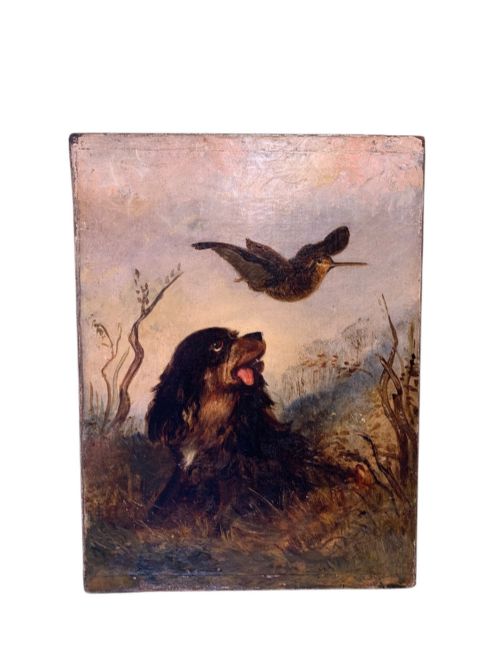
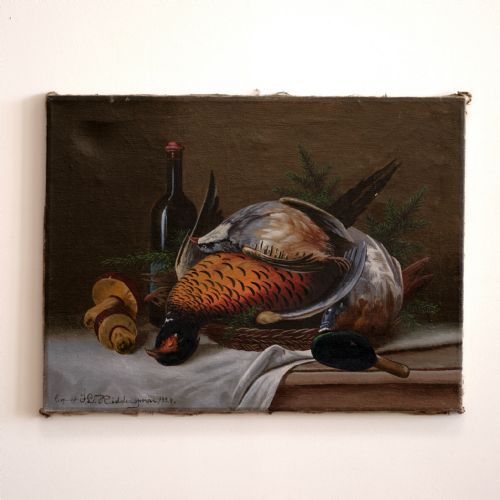
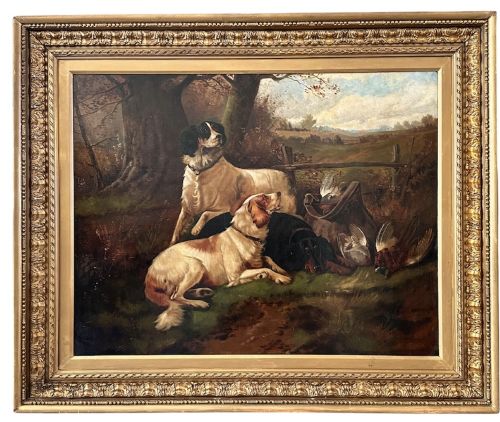
When you search for country house bird art, you encounter a selection of pieces that reflect rural sporting life, natural history, and folk traditions. The offerings span oil paintings, watercolours, framed prints, sculptures, and carved wooden decoys. You will frequently find depictions of game birds, farmyard scenes, and wildfowl alongside vintage avian sculptures.
The objects on this page bridge domestic decoration and sporting heritage, originating from periods such as the Victorian era and the early twentieth century. Many items capture the quiet observation of nature, whether through detailed watercolours of game birds or rustic wooden figures carved for practical use. These works suit rooms designed with traditional or eclectic interiors in mind.
Materials and methods
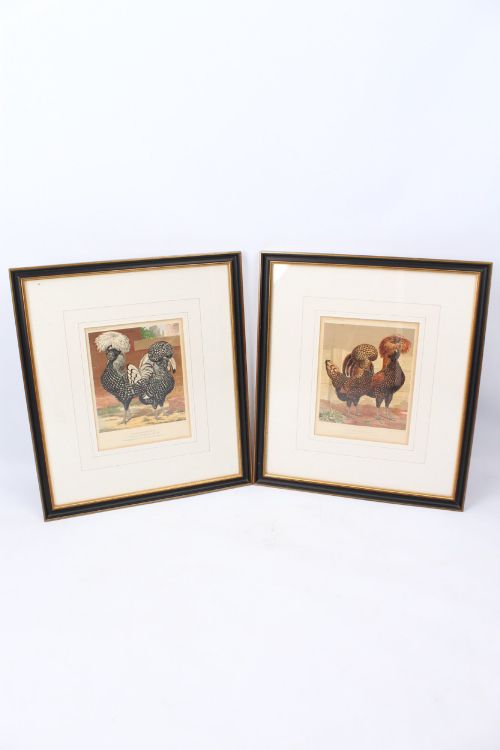
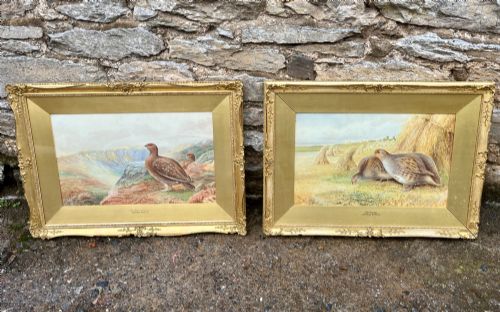
Artists and makers utilised traditional media, applying oil paint to canvas, wooden panels, and boards to build rich textures and depth. Watercolours on paper appear frequently, often capturing the fine plumage of game birds and waterfowl with careful brushwork. Engraved and lithographic prints offer another route of production, sometimes finished with hand-applied colour.
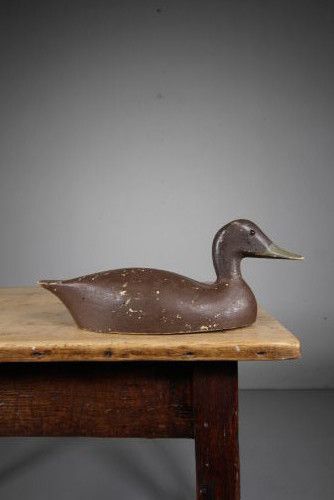
Carved wooden decoys and sculptures rely on timber selection and hand-tooling to achieve their distinctive forms. These pieces often feature painted surfaces that have weathered naturally over time, showing the marks of their construction and use. Gilt accents sometimes appear on frames, adding contrast to the darker tones of the canvases and prints.
Wooden birds have quietly watched over country house interiors for generations, requiring no feeding and bringing zero feathers to the rug.
Judging quality in these works
Quality in these pieces rests upon the surety of the drawing and the fidelity of the bird's anatomy. Skilled painters capture the accurate posture and feather patterns of game birds and wildfowl, whereas lesser examples rely on stiff repetition. In carved wooden decoys, the strength of the silhouette and the character of the surface wear determine the visual impact.
The survival of original framing and uncompromised surfaces elevates the standing of a piece. Works that retain their authentic patination without heavy restoration offer a clearer connection to their period of origin. A strong composition, whether in an oil painting or a watercolour, holds the viewer's attention across the room.
John Sargent Noble·George Rankin·Edgar Hunt·Stephen Elmer·Rev B. Morris·Archibald Thorburn
The Country House Bird Art Glossary
- Decoy
- A carved or moulded figure used to attract wildfowl or game birds. These objects combine practical rural craftsmanship with decorative folk art appeal.
- Lithograph
- A print produced from a flat stone or metal plate treated to repel ink except where required for the image. This technique allowed for the reproduction of detailed natural history illustrations.
- Patina
- The surface sheen and colour developed by wood, paint, and canvas over decades of exposure and handling. It serves as a visual indicator of age and authenticity.
- Watercolour
- A painting method where fine pigment is suspended in a water-based solution on paper. It allows for translucent washes that suit delicate studies of feathers and foliage.
- Framed Print
- An impression on paper set behind glass within a protective border. These items often preserve historical illustrations of birds for interior display.
Country House Bird Art: Frequently Asked Questions
Where should I hang these bird paintings?
These works suit traditional living spaces, libraries, or studies where their rural subjects complement wood panelling and heritage colour schemes. They also add character when mixed into modern gallery walls alongside other framed items.
Consider eye-level placement where the finer details of the plumage and brushwork can be observed up close. Pairing smaller watercolours or prints together creates a balanced arrangement on a narrow wall.
How do I care for antique watercolours?
Keep watercolours away from direct sunlight to prevent the pigments and paper from fading over time. Stable indoor humidity levels protect the paper from warping and the backing materials from degrading.
Ensure that framing uses acid-free mounts to prevent discolouration around the edges of the paper. Regular light dusting of the wooden or gilt frames keeps the exterior tidy.
What is a wooden decoy used for?
Decoys were originally carved from wood to lure wildfowl within range during shoots. Today, they function as decorative objects that bring tactile folk art warmth into interior spaces.
Their robust construction and weathered painted surfaces make them suitable for display on shelves, mantelpieces, or tabletops. Each piece reflects the functional traditions of rural life.
How can I tell the Victorian pieces apart?
Victorian works often display darker, richer oil palettes and heavier gilded framing compared to later twentieth-century examples. The subject matter frequently aligns with nineteenth-century sporting tastes and detailed natural history.
Printed items from this era often feature embossed borders or distinct Victorian typography on the backing sheets. Examining the construction of the frame and the backing boards provides further clues to the date.