




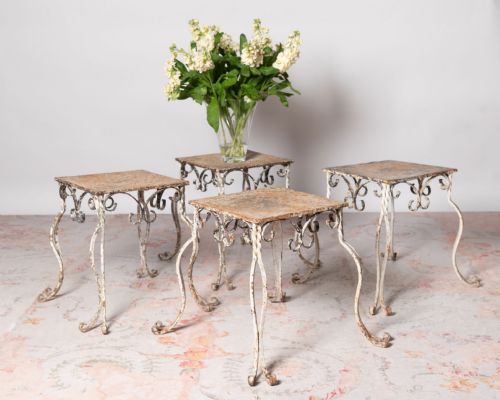
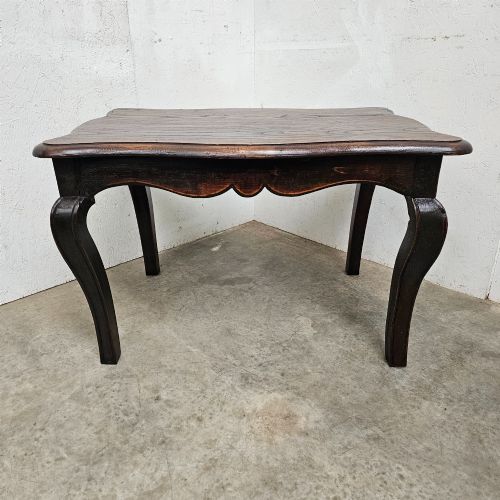
Country Furniture Occasional Table
A country furniture occasional table brings warmth and utility to a room through honest timber construction and regional domestic design.
Country Furniture Occasional Table
When searching for a country furniture occasional table, you encounter practical surfaces built for everyday domestic life rather than formal parlour display. These tables span several centuries, with particular emphasis on pieces originating from the eighteenth and nineteenth centuries.
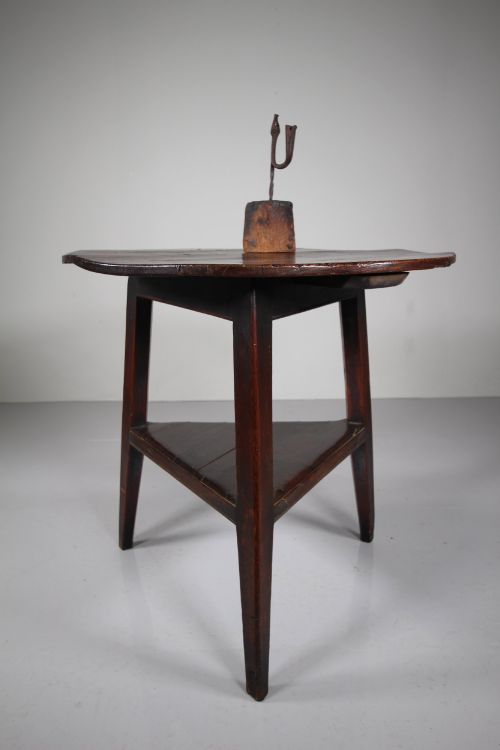
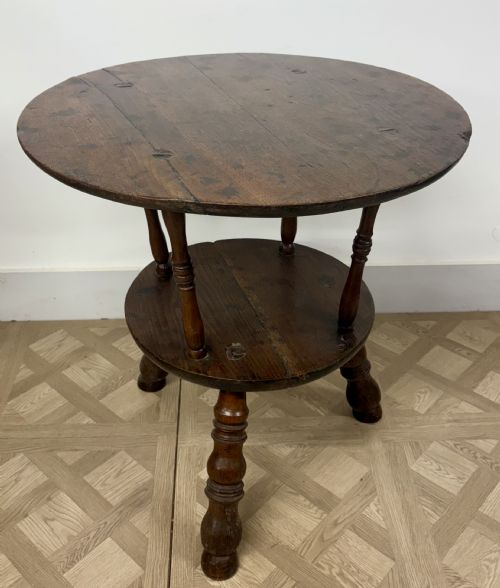
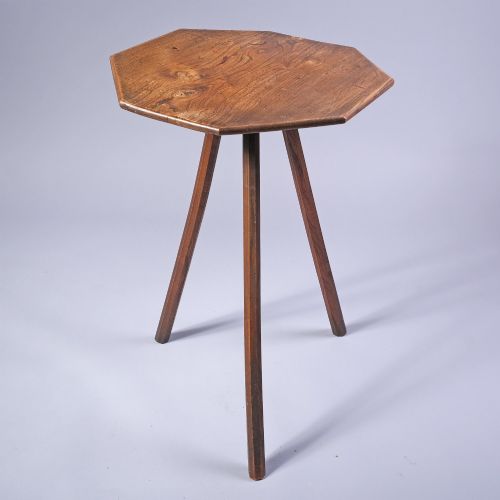
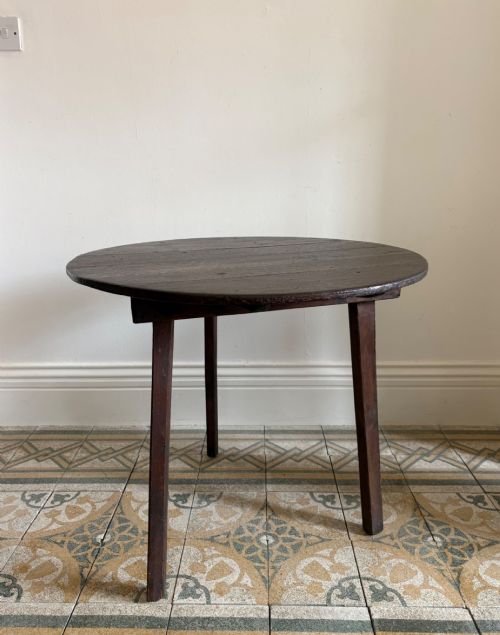
You will regularly meet cricket tables among these listings, characterised by their three-legged frames designed to stand steady on uneven flagstone floors. Materials range from sturdy local hardwoods like oak and elm to painted pine and fruitwood.
How they were made
Cabinet makers and local joiners utilised native timbers that were readily available, frequently combining oak, elm, ash, and fruitwood within a single piece. Table tops were constructed from solid planks or turned circular boards, whilst bases relied on pegged joints and tapered legs.
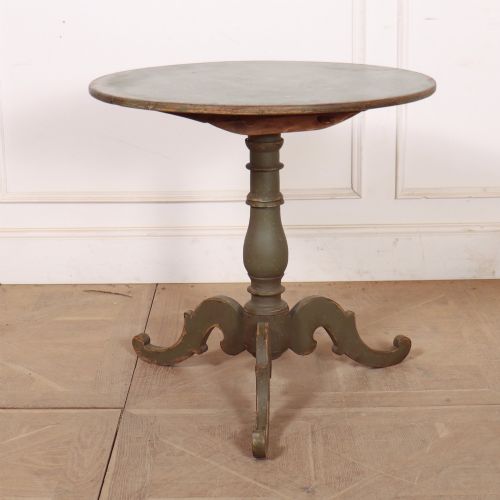
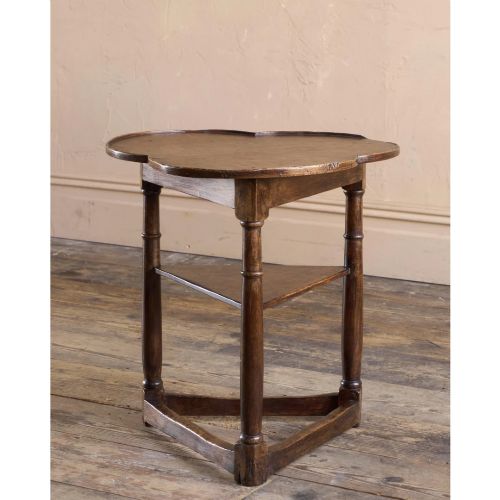
Surface treatments varied from waxed natural grain to layers of historic paint in Scandinavian or Welsh traditions, protecting the wood while adding regional character. Detail work remained restrained, focusing on turned pedestals, trefoil tops, and pad feet rather than elaborate carving.
A sturdy three-legged frame ensures a rustic table stands level even when the cottage floor has given up entirely.
What varies in quality
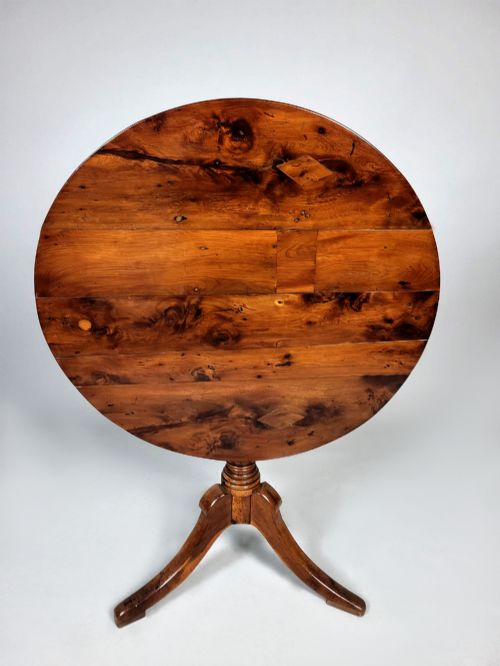
The distinction between standard domestic utility pieces and finer examples rests upon timber selection and the integrity of construction. Tables featuring well-figured woods such as yew or pollard oak command greater interest than plain utility pine.
Proportion and original surface patination dictate the standing of a piece. Examples retaining their untouched early painted finishes or genuine patinated timber surfaces display a coherence that replacement tops or heavily restored frames lack.
The Country Furniture Occasional Table Glossary
- Cricket table
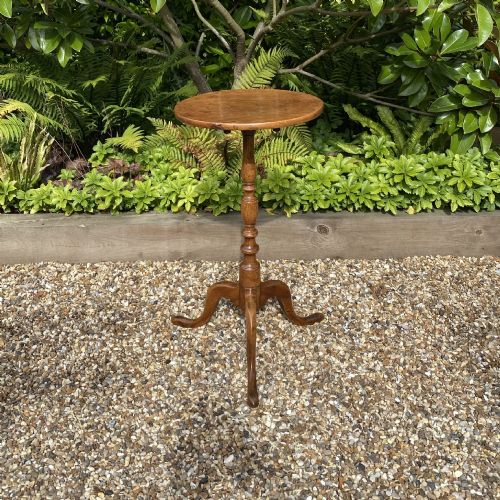
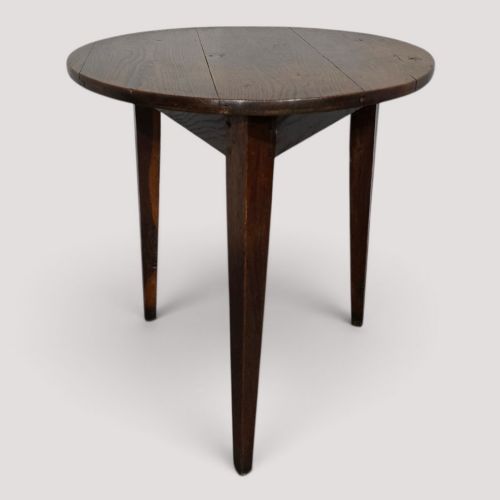
- A small wooden table traditionally featuring three splayed legs and a circular top. This design ensured stability on uneven floors in rural cottages and taverns.
- Tripod table
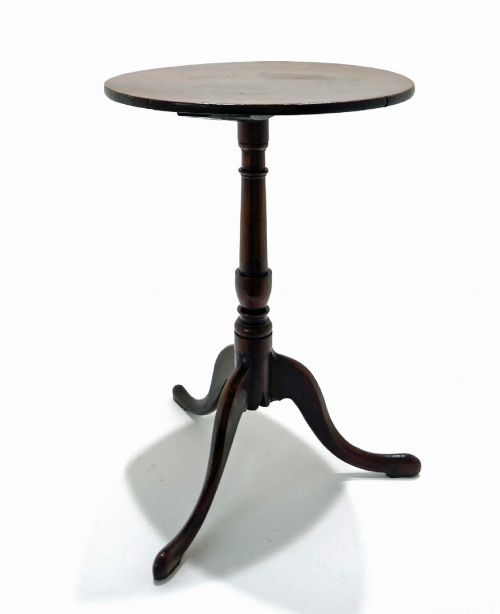
- A freestanding table supported by a central pillar above three divergent feet. These versatile pieces gained popularity during the Georgian period for tea or candle lighting.
- Pad foot
- A rounded, slightly raised foot carved at the bottom of a cabriole or straight leg. It sits flat on the floor without requiring a separate shoe.
- Trefoil top
- A table top shaped with three lobes or rounded projections. This unusual geometric form appears frequently on early circular vernacular tables.
Country Furniture Occasional Table: Frequently Asked Questions
What is a cricket table?
A cricket table is a small vernacular table built with three legs, which allowed the piece to stand firmly on uneven stone floors in old cottages.
Most examples feature a circular wooden top supported by pegged legs and stretchers, offering a compact surface for everyday household tasks.
Where were country occasional tables made?
These tables were produced across rural Britain and continental Europe by local joiners and regional makers who utilised native timbers close to hand.
English, Welsh, and Swedish workshops generated distinct local designs, incorporating regional woods such as oak, elm, ash, birch, and pine.
How do I use an occasional table at home?
Country occasional tables serve practical functions beside seating as lamp tables, wine stands, or side surfaces for books and drinks.
Their compact proportions and simple timber construction allow them to integrate easily into modern living spaces as versatile accent pieces.
How can I tell the age of a country table?
Age is determined by observing construction methods, tool marks, timber shrinkage, and the natural wear accumulated over centuries of domestic use.
Earlier pieces from the seventeenth and eighteenth centuries often display hand-cut joinery, pegged joints, and native hardwoods like oak and fruitwood.