


Country Cottage Kitchen Chairs
Country cottage kitchen chairs bring honest vernacular charm to a room, offering sturdy wood seats and traditional vernacular forms built for daily life.
Country Cottage Kitchen Chairs
Country cottage kitchen chairs encompass sturdy wooden dining seating shaped by regional vernacular traditions from the Georgian and Victorian periods. Buyers seeking this phrase typically encounter robust dining chairs designed for practical domestic use in farmhouses and rural homes.
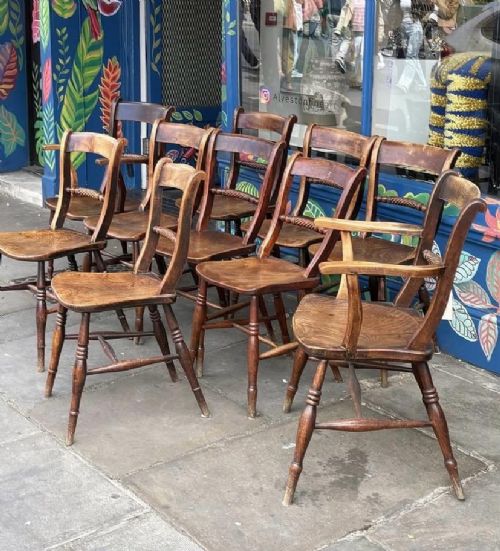
The selections span larger matched sets alongside harlequin groups gathered from different origins. Common configurations range from pairs and small sets of three or four up to larger groupings of six, eight, ten, or twenty-two dining chairs.
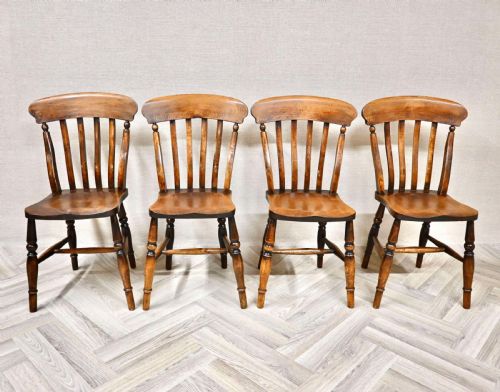
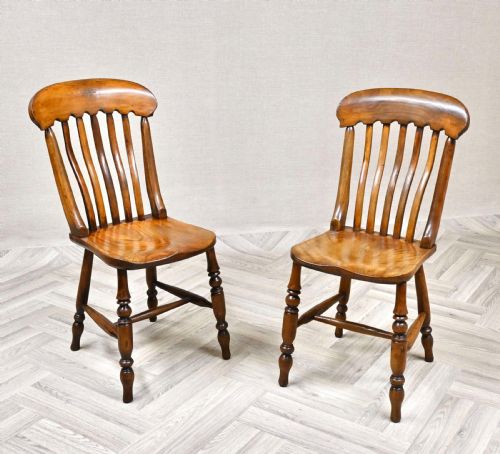
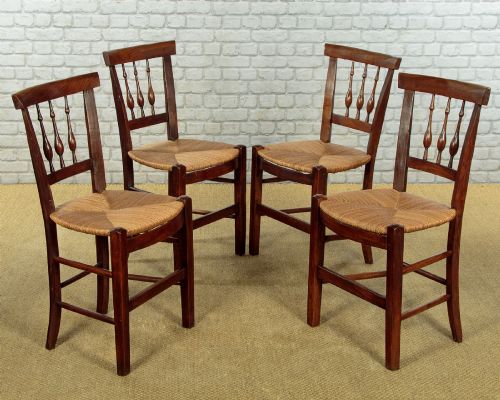
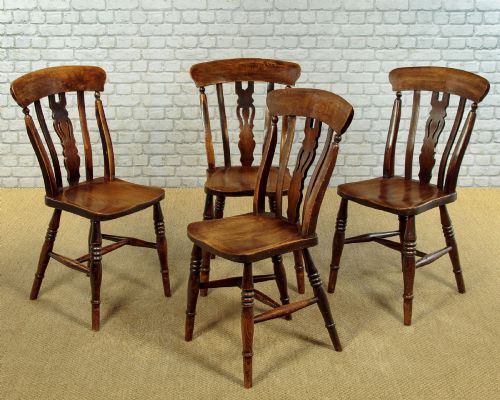
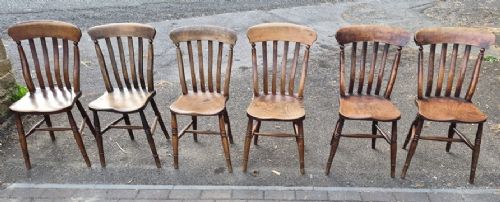
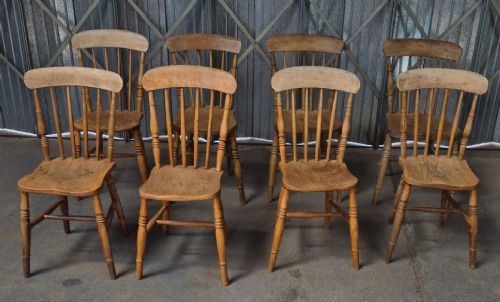
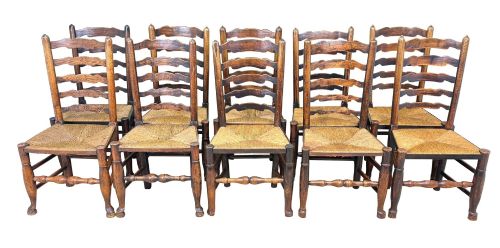
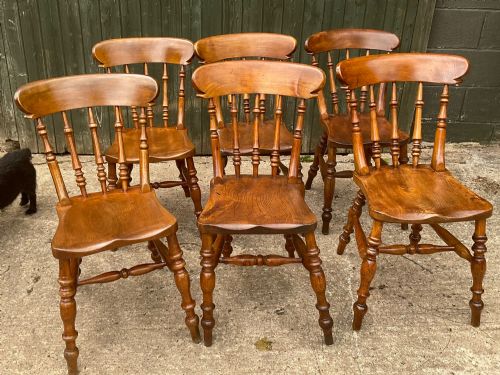
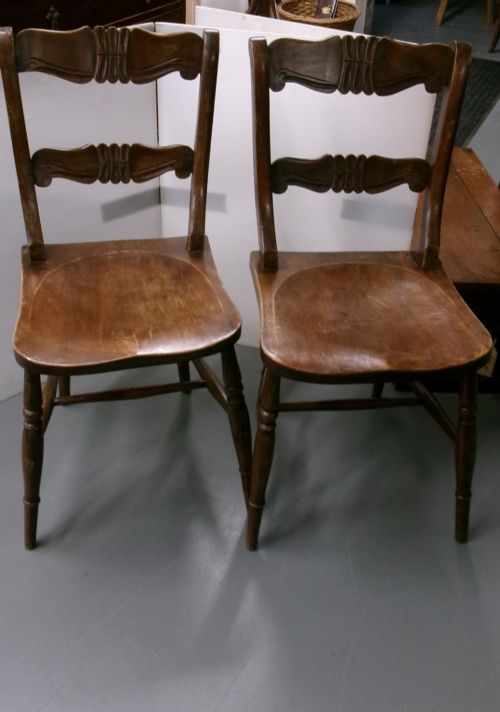
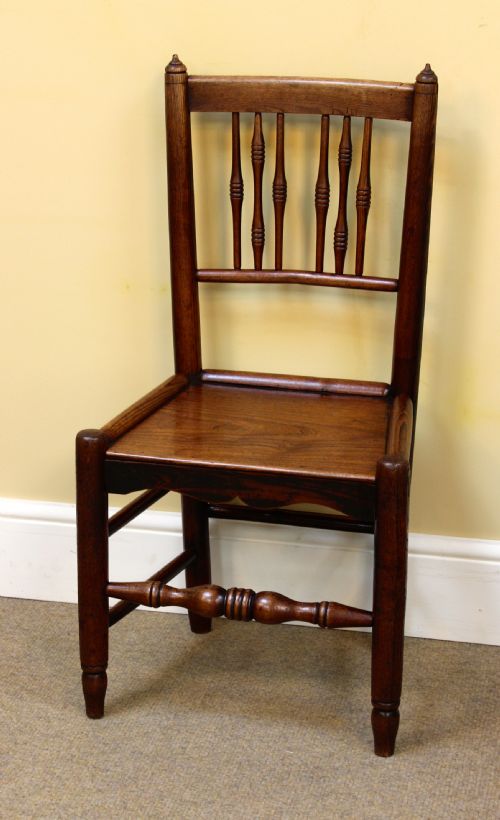
Forms divide into distinct regional and structural types, notably Windsor lathbacks, stick backs, wheel backs, and ladderbacks. Many examples utilise traditional rush seats or solid timber boards shaped for comfort.
Materials and Construction
Construction relies heavily on native timbers such as elm, ash, beech, and oak, selected for strength and flexibility. Elm frequently forms the solid wood seats due to its resistance to splitting, while ash and beech provide resilient spindles and legs.
Traditional bodging and Windsor techniques join turned components directly into thick plank seats using wedged tenons. Lathbacks, stick backs, and spindlebacks utilise steam-bent or shaved timber elements secured without metal fasteners.
Some resilient sets survived decades of family meals by having their elm seats polished smooth simply through generations of daily use.
Assessing Quality and Character
Quality reveals itself in the harmonious balance of timber selection, such as the rich grain figure of elm seats paired with well-turned ash or beech framing. Superior examples maintain structural integrity alongside well-worn surfaces that show decades of honest domestic use.
The uniformity of a matched set or the pleasing consistency of a harlequin grouping alters how these dining chairs sit together in a room. Nicely sculpted comb pieces, balanced spindles, and tight joints distinguish finer vernacular workshops from utilitarian workshop production.
Worksop Allsop
The Country Cottage Kitchen Chairs Glossary
- Windsor chair
- A wooden chair constructed with a solid plank seat into which the legs and back spindles are separately inserted. This design creates a robust, enduring seat form typical of English country furniture.
- Lathback
- A chair back featuring a central vertical wooden slat or lath flanked by spindles. This regional variation offers sturdy support while maintaining a light visual profile.
- Harlequin set
- A collection of dining chairs that match in general style and material but vary slightly in minor details. These groups formed over time from related individual pieces rather than a single workshop order.
- Rush seat
- A seating surface woven from dried marsh rushes around a wooden frame. This traditional technique provides a resilient and slightly flexible seat.
- Stick back
- A chair featuring plain turned spindles forming the backrest structure. These pieces rely on simple vernacular joinery for everyday durability.
Country Cottage Kitchen Chairs: Frequently Asked Questions
How do I care for antique wood seats?
Keep wooden kitchen chairs away from direct heat sources and rapid humidity changes to prevent the timber from splitting. Regular dusting and occasional application of appropriate wax help preserve the surface.
Avoid harsh chemical cleaners that can strip the historic finish and dry out the grain.
What is a harlequin set of chairs?
A harlequin set is a group of dining chairs that share a common style, period, or material but were not originally made as a single batch. They offer a cohesive look while displaying subtle variations in turning and proportion.
This approach allows buyers to gather larger dining sets of six or more pieces that match in character.
How can I tell Victorian chairs from Georgian ones?
Georgian country chairs generally date from the late eighteenth or early nineteenth century and often feature refined country Chippendale influences or early ladderback forms. Victorian pieces, spanning from the mid-nineteenth century onward, frequently showcase robust Windsor lathback and stick back variations.
Examining the turning styles, wood patination, and construction details helps clarify the period.