


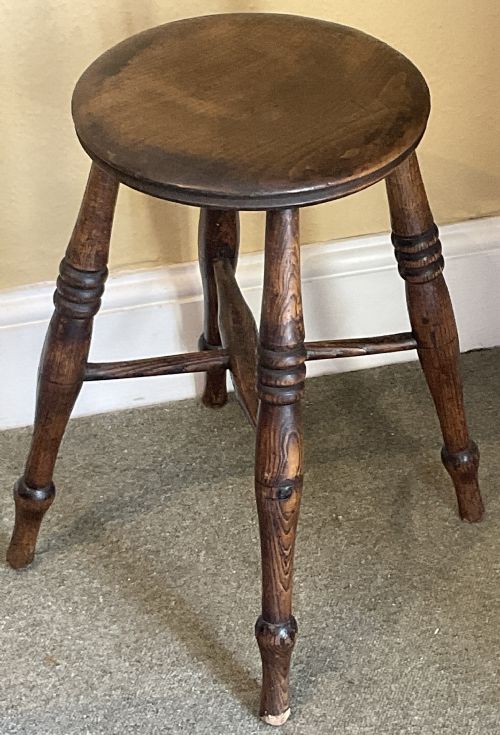

Cottage Oak Chairs
These cottage oak chairs bring solid provincial character to a room, offering sturdy seating built for everyday domestic life.
Cottage Oak Chairs
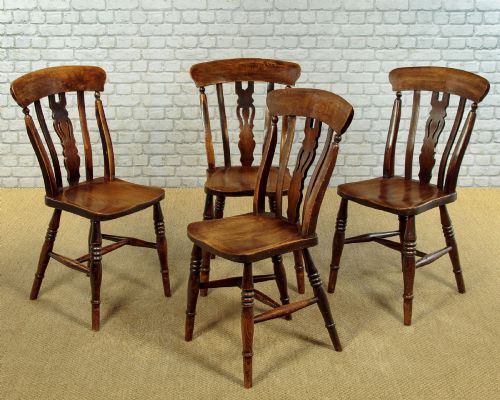
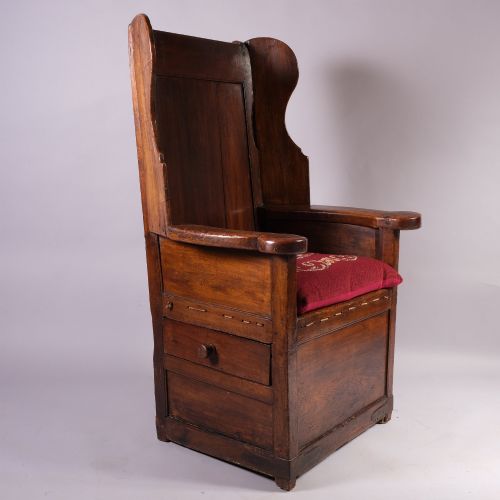
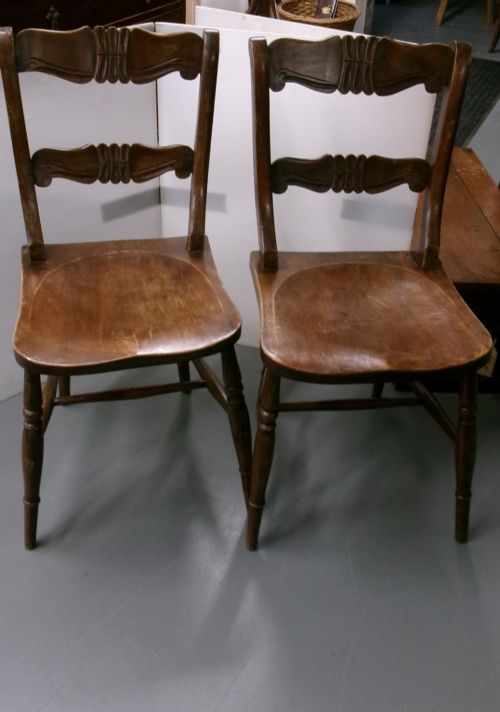
Cottage oak chairs comprise practical domestic seating forms rooted in rural and provincial traditions, spanning periods from the 18th century through the Victorian era and into the early 20th century. Buyers searching this phrase encounter dining chairs, side chairs, armchairs, and rocking chairs shaped by vernacular makers across English and Welsh regions.
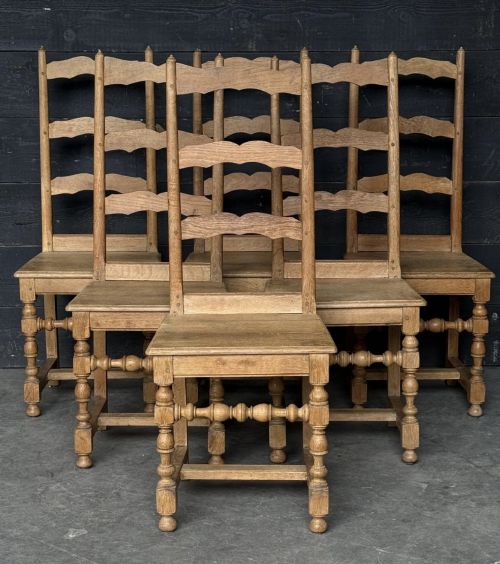
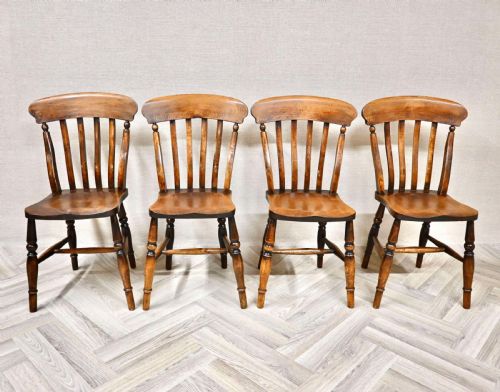
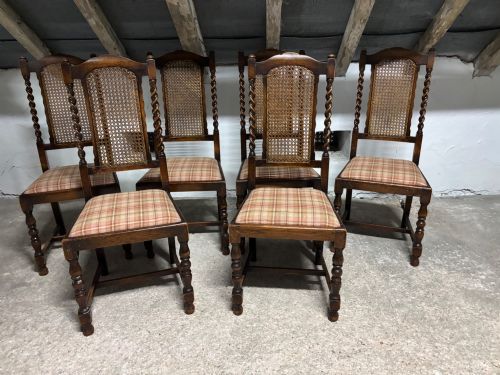
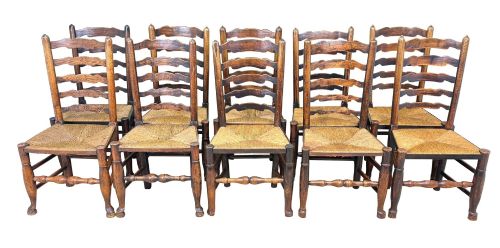
The selection frequently includes sets of four, six, or ten dining chairs alongside individual Windsor, lathback, ladderback, and spindle-back models. These pieces reflect regional styles such as Georgian vernacular, Victorian country, and Arts and Crafts designs intended for hardworking farmhouse kitchens and parlours.
How they were made
Construction relies heavily on native timbers, predominantly solid oak paired with elm, ash, and beech for structural members and turned components. Makers utilised traditional joinery methods, fixing seats to frames with pegged mortise and tenon joints.
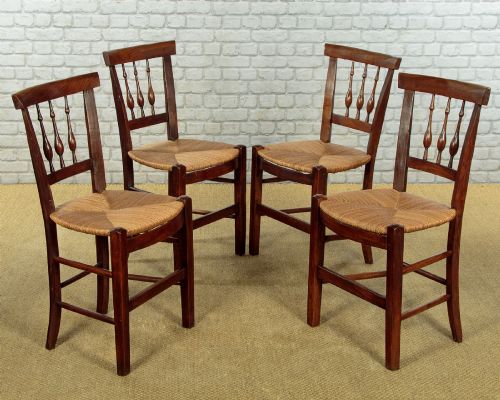
Seats often incorporate woven rush or cane inserts, alongside solid wood plank construction shaped for comfort. Simple hand tools and lathe turnings defined the production of these utilitarian chairs.
Some chairs retain the minor ink stains and tool marks left behind by generations of kitchen occupants.
What varies in quality
Quality rests in the integrity of the timber selection and the retention of original surface patination. Examples with uncompromised framing and minimal structural replacement command greater interest from collectors.
The crispness of turned spindles, the tightness of rush or cane weaving, and the uniformity within matched sets distinguish finer provincial pieces from simpler utility seating.
Worksop Allsop
The Cottage Oak Chairs Glossary
- Windsor
- A chair style characterised by a solid wooden seat into which the legs and back spindles are wedged directly. These forms often include a bowed back rail or a pierced splat.
- Rush seat
- A seating surface woven from dried marsh rushes twisted into cords. This traditional technique provides a resilient and slightly yielding platform.
- Vernacular
- Everyday objects designed by regional craftsmen to serve a specific local function rather than following academic architectural styles. These pieces prioritise utility and local timber availability.
- Lathback
- A chair back constructed with horizontal flat wooden slats, or laths, secured between the upright posts. This design appears frequently on 19th-century kitchen seating.
- Ladderback
- A chair back featuring multiple horizontal arched rails resembling the rungs of a ladder. This traditional form was widely produced across English and Welsh rural workshops.
Cottage Oak Chairs: Frequently Asked Questions
What defines a cottage oak chair?
These chairs are traditional provincial seats constructed primarily from native oak for domestic use in farmhouses and cottages.
They encompass various regional forms including ladderbacks, Windsors, and solid wood dining chairs dating from the 18th to the early 20th century.
How do I care for rush seats?
Rush seats require a dry environment to prevent the natural fibres from becoming brittle or damp.
Cleaning should be limited to gentle dusting with a soft brush, avoiding excess moisture or chemical cleaning agents.
Are these chairs suitable for daily dining?
Most of these chairs were originally built for hardworking kitchen and dining environments, making them inherently sturdy for everyday use.
Checking the stability of joints and seat webbing ensures they can handle regular seating.
How can I tell the period?
Dating relies on observing construction marks, timber ageing, tool traces, and stylistic shifts from Georgian vernacular to Victorian country revivals.
Comparing turnings and joinery details against documented regional examples helps narrow down the decade.