



Costume Portrait Painting
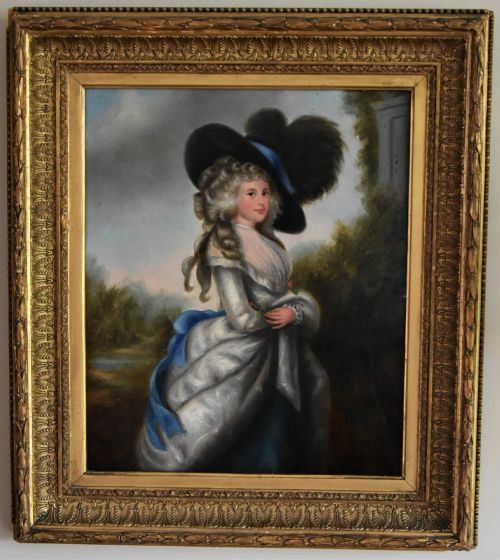
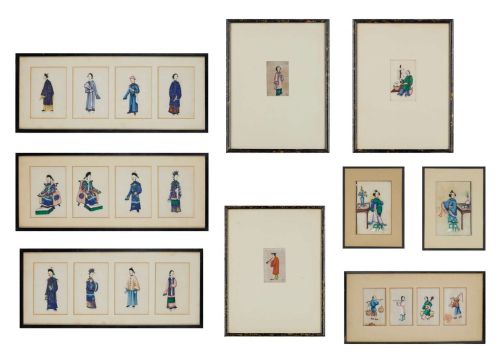
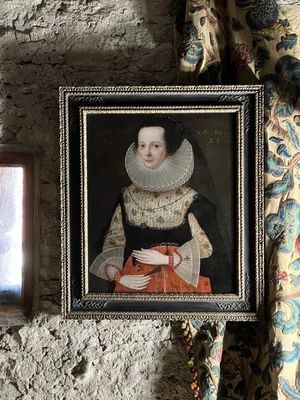
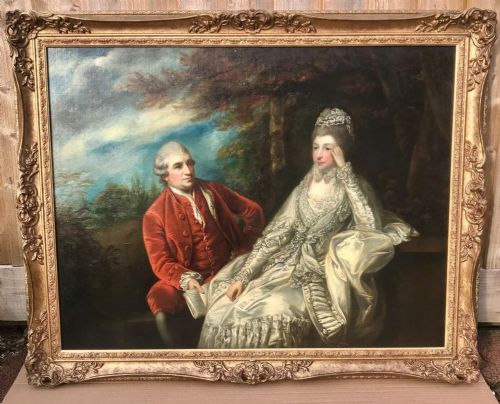
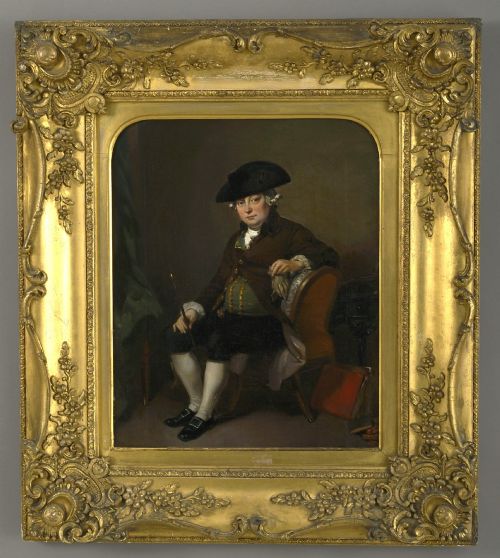
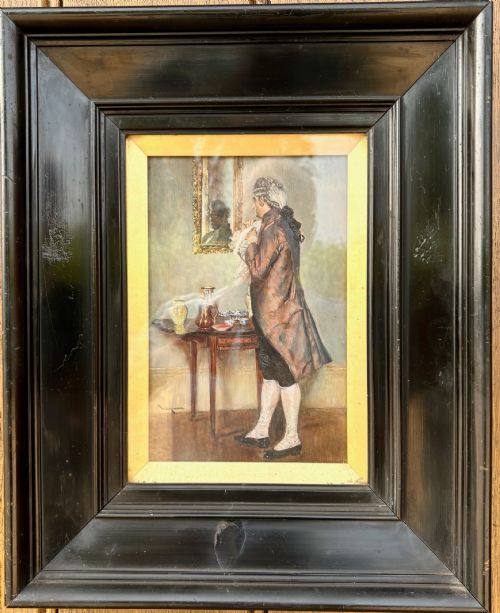
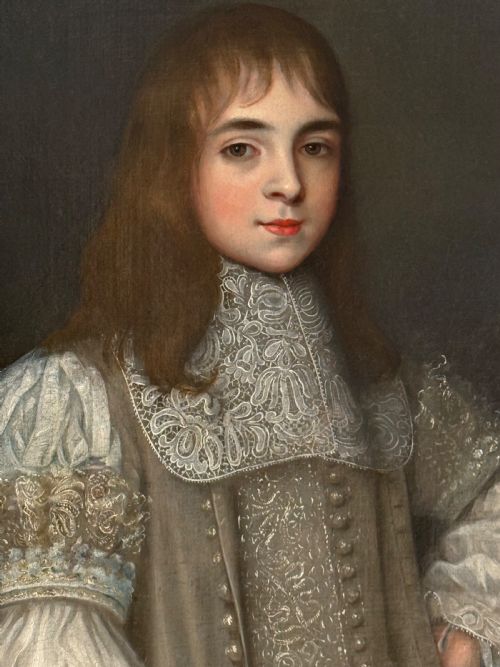
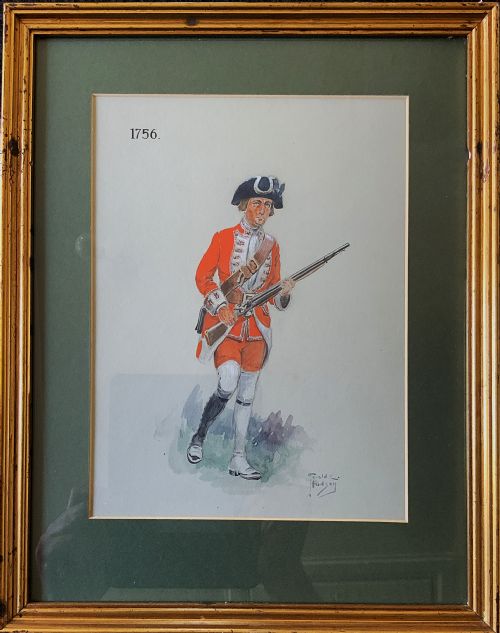
These costume portrait painting examples capture individuals styled in historical dress, ranging from seventeenth-century nobility to theatrical figures.
Costume Portrait Painting
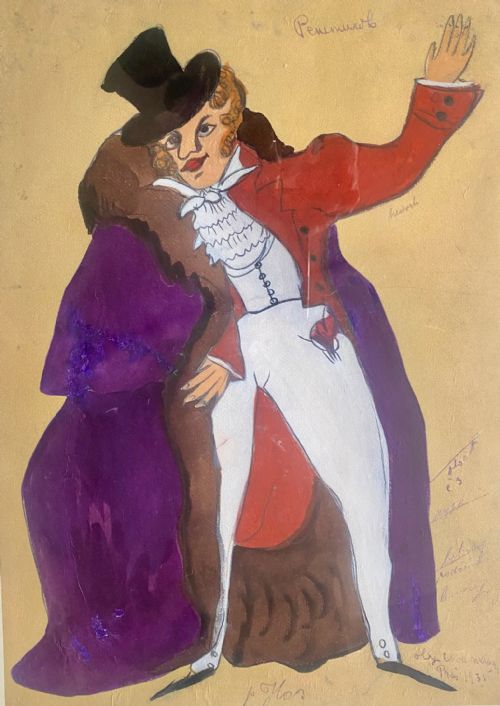
A costume portrait painting depicts subjects wearing distinctive historical, theatrical, or regional dress rather than contemporary everyday attire. Buyers look to acquire works that capture the intricate details of historical textiles, lace ruffs, military uniforms, and theatrical costumes. The selections span from seventeenth-century oils on panel portraying noblewomen to twentieth-century watercolours of actors and soldiers in character.
The material forms on this page predominantly include oil on canvas, oil on board, and watercolour paintings on paper, often preserved within period frames. Nineteenth-century interpretations of earlier eras frequently appear, alongside original works produced across the seventeenth, eighteenth, and twentieth centuries. These pieces function as both artistic representations and historical records of fashion and portraiture traditions.
Materials and Technique
Artists relied primarily on oil on canvas or panel for formal works, building rich layers of pigment to render the heavy textures of velvet, satin, and gilt embroidery. Watercolour and gouache on paper served for more immediate studies, miniatures, and detailed costume watercolours requiring precise line work.
Several subjects wear elaborate period fancy dress specifically for portraits, bridging the gap between historical documentation and theatrical disguise.
Quality and Execution
Preservation of the original surface, stability of the paint layer, and the authenticity of the associated period frame heavily influence the standing of an individual piece.
John Michael Wright·Joshua Reynolds·Samuel De Wilde·Edgard Maxence·Susie Lassam·Hans Temple·Pierre Louis Joseph De Coninck·Willem Johannes Martens·Adolphe-Alexandre Lesrel·George Perfect Harding·Robert Peake the Elder·Franz Russ The Elder
The Costume Portrait Painting Glossary
- Oil on Canvas
- Pigments bound in a drying oil medium applied to a woven fabric stretched across a wooden frame. This primary medium allowed artists to achieve deep colour saturation and subtle tonal gradations.
- Watercolour
- A painting method in which fine pigment is suspended in a water-based, soluble solution applied to paper. It permits transparent washes and delicate line rendering.
- Giltwood
- Wood that has been coated with a thin layer of gold leaf or powder. It forms the decorative framing typical of traditional portraiture.
- Ruff
- A prominent, pleated frill collar worn in Elizabethan and Jacobean fashion. It serves as a key visual indicator for dating early portrait subjects.
- Mezzotint
- A printmaking process of the intaglio family where tonal gradations are achieved by roughening a metal plate. It was often employed to reproduce famous painted portraits.
Costume Portrait Painting: Frequently Asked Questions
What is a costume portrait painting?
A costume portrait painting is an artwork depicting a real or imagined individual dressed in historical, theatrical, or foreign attire rather than contemporary clothes. These pieces often emphasise elaborate textiles, ruffs, armour, or fancy dress.
Such works were produced across multiple centuries, with later artists frequently looking back to earlier periods for inspiration and dramatic visual impact.
How can I tell the period of a costume portrait?
Dating often relies on examining the specific fashion elements worn by the subject, such as seventeenth-century ruffs and doublets or Regency styles. The materials used, stretcher construction, and framing can also offer clues to the age of the piece.
Artists' signatures, inscriptions, and historical documentation further help establish the exact era in which the artwork was created.
Were these painted from life?
While many portraits from the seventeenth through nineteenth centuries were painted from living sitters, costume pieces often involved models hired to wear theatrical dress or historical garments. Some works represent actors captured directly in specific stage roles.
Artists also produced historical genre scenes and imaginative reconstructions based on past eras rather than direct observation of contemporary life.
How should I care for an antique portrait painting?
Protect oil and watercolour paintings by keeping them away from direct sunlight, high humidity, and rapid temperature fluctuations. Stable environmental conditions prevent the canvas, panel, or paper from warping and cracking.
Dust surfaces gently with a soft, dry brush and consult a professional conservator for any necessary cleaning or structural repairs.