



Corinthian Column Capitals
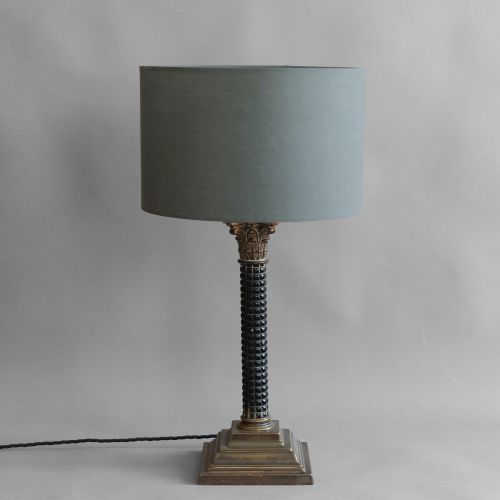
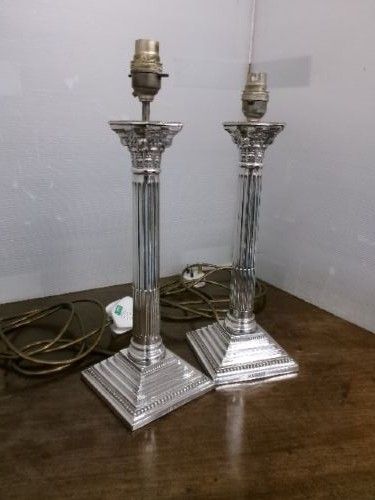
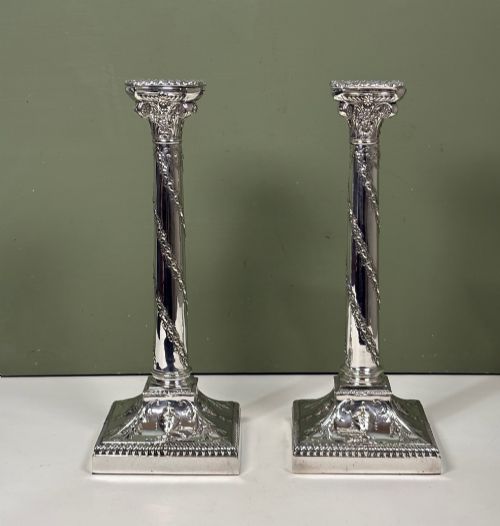
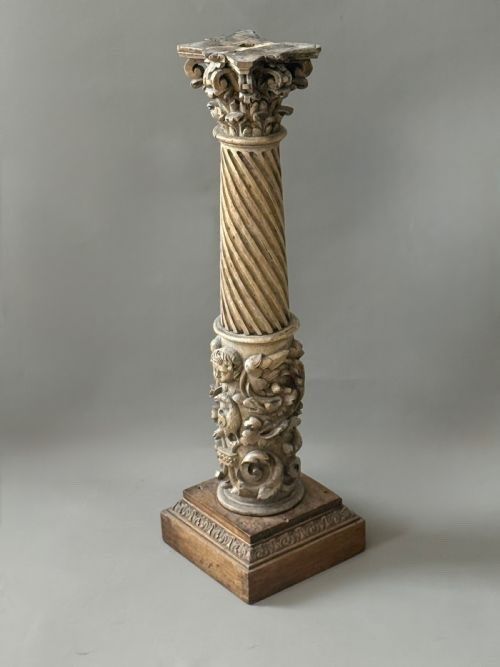
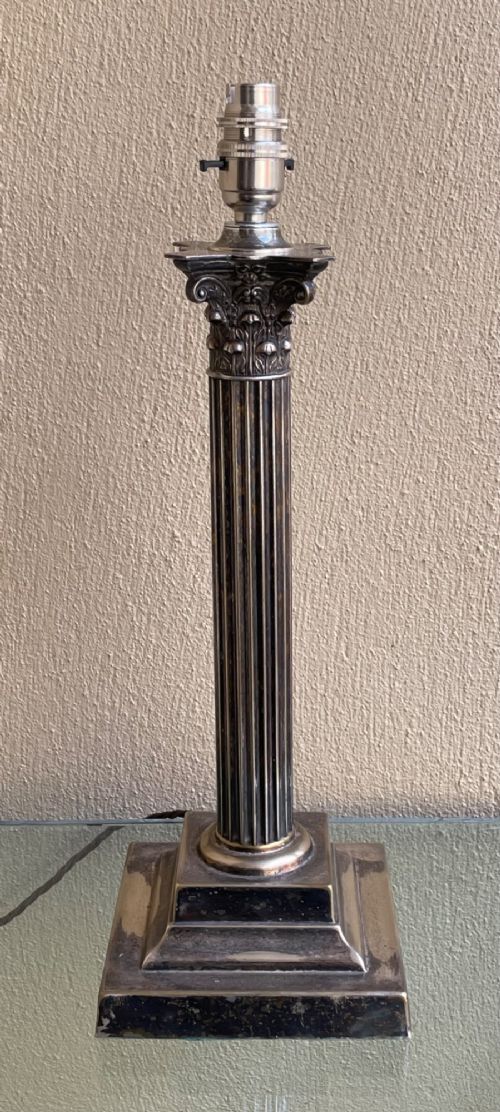
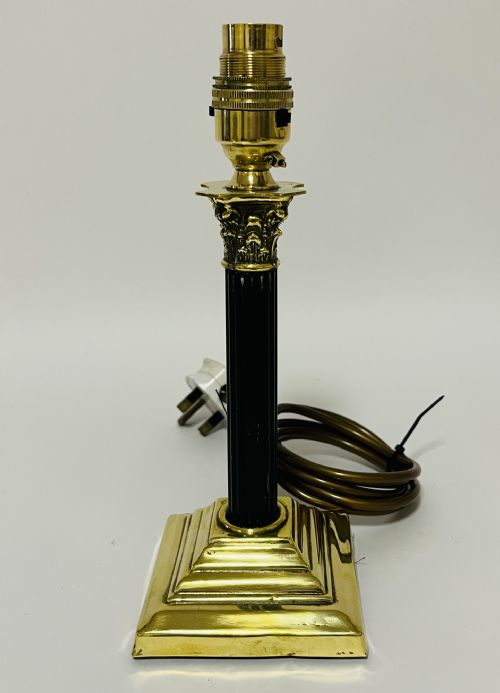
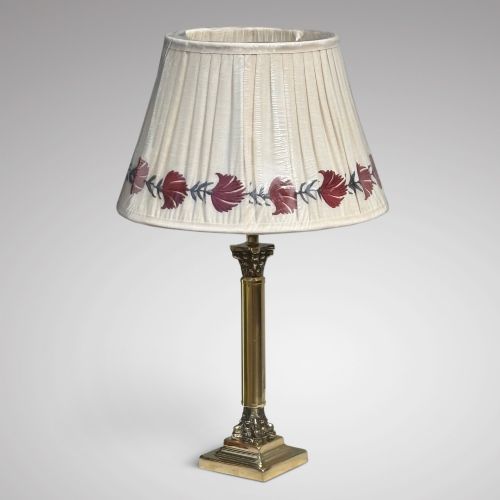
These corinthian column capitals bring classical architectural grandeur indoors, functioning as striking table lamps, candlesticks, and sculptural architectural elements.
Corinthian Column Capitals
Corinthian column capitals represent the most ornate of the classical architectural orders, defined by their elaborate carved acanthus leaves and scrolling volutes. When searching for corinthian column capitals, buyers typically encounter sculptural stone and wood architectural fragments or adapted lighting pieces.
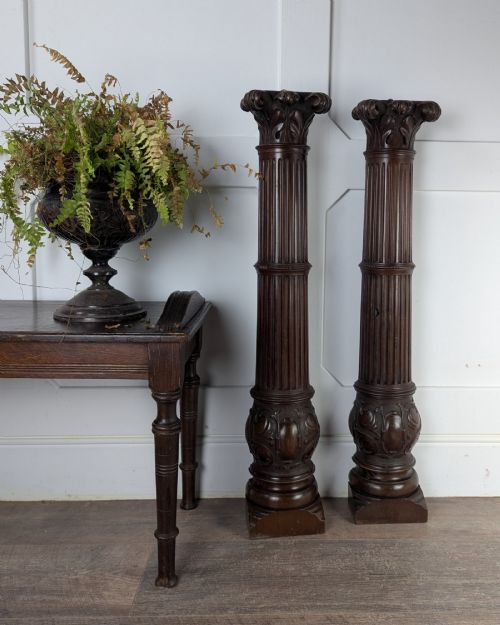
The selections available range from substantial carved limestone and marble architectural capitals dating to the eighteenth and nineteenth centuries to decorative wooden pillars. Many pieces take the form of converted table lamps and candlesticks utilising brass and silver plate.
Victorian and Edwardian examples dominate the offerings, often reinterpreting classical motifs through cast brass, silver plate, and carved mahogany. These items bridge the gap between architectural salvage and decorative interior furnishings.
How they were made
Materials span carved woods such as mahogany and oak alongside natural stones like limestone, marble, and onyx. Artisans also utilised cast metals, brass, and silver plate to achieve intricate classical detailing.
Carved pieces display skilled handiwork through detailed acanthus foliage and reeded shafts. Metal versions combine casting techniques with applied plating or patination to emulate solid classical bronzes.
Materials recorded across the inventory include carved wood, limestone, marble, onyx, brass, silver plate, gesso, and cut glass.
What varies in quality
Quality rests primarily in the crispness of the carving and the depth of the classical proportions. Hand-carved stone and wood examples show superior detail in the acanthus leaves compared to mass-produced castings.
The choice of base materials and finishing techniques also dictates standard. Solid brass and heavy silver plate exhibit longevity and weight, whilst integrated components like cut glass reservoirs elevate the decorative merit.
The Corinthian Column Capitals Glossary
- Capital
- The uppermost member of a column, serving as a crown that mediates between the shaft and the load. In the Corinthian order, this is richly decorated with acanthus leaves.
- Acanthus
- A classical ornamentation motif modeled on the Mediterranean plant of the same name, frequently carved onto capitals and friezes. It forms the distinctive leafy backdrop of the Corinthian order.
- Volute
- A spiral, scroll-like ornament that forms the characteristic feature of the Corinthian and Ionic capitals. They sit at the corners of the capital above the acanthus foliage.
- Silver Plate
- A thin layer of silver applied to a base metal such as copper or brass. Many Victorian candlesticks and lamp bases utilise this technique to achieve the appearance of solid silver.
- Architectural Salvage
- Building elements rescued from structures slated for demolition or remodeling. These items are repurposed as decorative objects or standalone sculptures.
Corinthian Column Capitals: Frequently Asked Questions
What are corinthian column capitals?
They are the ornate decorative tops of classical columns, featuring carved acanthus leaves and scrollwork. Many surviving examples are collected as architectural fragments or repurposed into lighting.
Makers across the nineteenth and twentieth centuries adapted these classical forms into table lamps, candlesticks, and pedestals using brass, silver plate, stone, and wood.
How were they used historically?
Historically, they functioned as structural load-bearing supports at the top of columns in classical architecture. Over time, smaller versions and salvaged capitals transitioned into decorative objects.
Victorian and Edwardian craftsmen frequently converted these architectural elements into standard lamps, table lamps, and mantelpiece candlesticks for domestic interiors.
How do I identify Victorian examples?
Victorian pieces often incorporate cast brass, silver plate, or ormolu mounts paired with onyx or carved wood. They reflect a strong revival of classical architectural styles during the nineteenth century.
Examine the patination of the metal and the style of any electrical fittings or wiring where applicable to help determine the manufacturing period.
Are these pieces made of solid stone?
Some architectural capitals consist of solid carved limestone, marble, or carved wood. Other decorative objects use these materials selectively alongside cast brass and silver plate.
Lighting adaptations frequently combine metal capitals with glass reservoirs or wooden columns to create stable table and standard lamps.